


 Pro Benefits
 About
About
 Termeni
 Confidențialitate
 Child Safety & Protection
 Notificări
 Ayrush Global It Services Pvt Ltd
Food Grade Corn Grits Export India: Insights, Applications, and Global Demand Trends
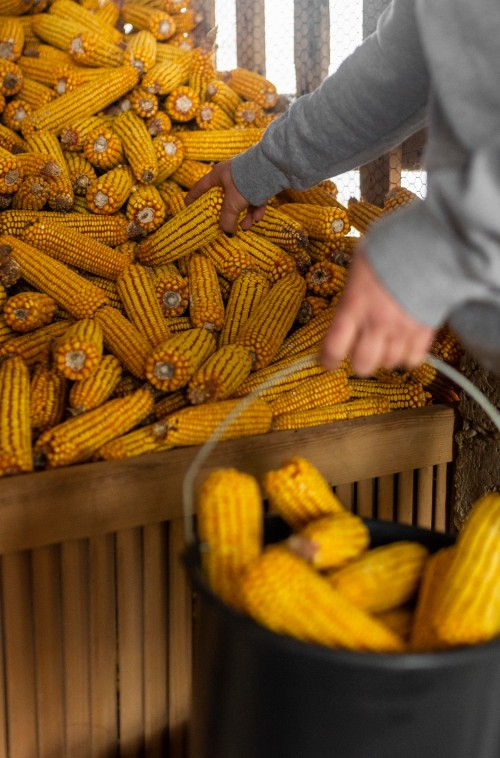
Corn has long been one of the world’s most versatile grains, supporting industries from food production to pharmaceuticals and animal nutrition. In recent years, food grade corn grits export from India has grown steadily due to improved processing capabilities, consistent raw material availability, and rising global demand for clean, safe, and high-quality grain products. Indian manufacturers supplying corn grits now play a significant role in serving international markets seeking reliable sourcing partners for food and beverage applications.
This article explores what food grade corn grits are, the role India plays in global exports, key quality factors, industrial applications, and how buyers can evaluate suppliers effectively.
What Are Food Grade Corn Grits?
Food grade corn grits are coarsely ground particles obtained from cleaned, de-hulled, and degermed corn kernels. Unlike feed-grade or industrial-grade corn products, food-grade grits undergo strict quality controls to ensure safety, purity, and consistency suitable for human consumption.
Characteristics of Food Grade Corn Grits
-
Uniform particle size depending on the application
-
Neutral to slightly sweet flavor
-
Pale yellow or white color, depending on the corn variety
-
Low fat content to enhance stability
-
Minimal microbial load
-
Free from contaminants, including stones, husk pieces, or foreign materials
These characteristics allow the product to be used in a variety of food and beverage industries that require reliable, high-quality ingredients.
India’s Growing Role in Global Corn Grit Exports
India is a significant producer of maize, ranking among the top global contributors. The country’s agro-climatic diversity allows maize cultivation across multiple states, including Karnataka, Andhra Pradesh, Maharashtra, Rajasthan, Bihar, and Madhya Pradesh. This consistent supply provides a strong foundation for food-grade corn grit processing.
Why India Is Emerging as a Trusted Exporter
-
Large-Scale Maize Production
The steady availability of raw materials keeps production uninterrupted and export-ready. -
Improved Processing Infrastructure
Modern milling technologies such as stone milling, roller milling, and precision grading ensure consistent grain size and quality. -
Compliance with International Standards
Many Indian processors adhere to globally recognized safety and quality norms including:-
HACCP
-
ISO quality systems
-
FSSAI standards
-
Custom specifications required by buyers
-
-
Competitive Pricing
India’s cost-effective production and processing enable competitive pricing without compromising quality. -
Strong Export Logistics Network
Well-connected seaports and inland transport routes support timely exports to markets in the Middle East, Southeast Asia, Africa, and Europe.
Applications of Food Grade Corn Grits in Global Industries
Food grade corn grits are used across several sectors due to their compatibility with many formulations and production methods.
1. Breakfast Cereals
Corn grits serve as a key ingredient for:
-
Corn flakes
-
Puffed cereals
-
Ready-to-eat cereal blends
The grits undergo cooking, extrusion, drying, and toasting to achieve crunchy textures.
2. Snacks and Extruded Products
Snack manufacturers rely heavily on corn grits for:
-
Extruded chips
-
Puffs
-
Pellets
-
Savory mixes
Uniform granule size ensures smooth extrusion and consistent expansion.
3. Breweries and Distilleries
Food grade corn grits are used as adjuncts in:
-
Beer production
-
Distilled alcoholic beverages
Their starch content supports fermentation and develops specific flavor profiles.
4. Bakery and Confectionery Industries
Corn grits support:
-
Crispbread production
-
Specialty baked goods
-
Coatings and toppings
They contribute texture, color, and structure in various formulations.
5. Traditional and Regional Foods
Different countries utilize corn grits in their local cuisines for:
-
Porridges
-
Dumplings
-
Fermented foods
-
Breads
The product’s versatility makes it suitable for both artisanal and industrial-scale cooking.
Key Quality Factors in Food Grade Corn Grits
When sourcing food grade corn grits, international buyers usually evaluate several quality parameters to ensure suitability for their application.
1. Particle Size and Uniformity
Different industries require different grit sizes. For example:
-
Coarse grits for beer brewing
-
Medium grits for snacks
-
Fine grits for cereals
Uniformity ensures predictable processing outcomes.
2. Purity and Cleanliness
High-quality corn grits should be:
-
Free from dust
-
Free from broken particles or fines
-
Free from insects or microbial contamination
Mechanical cleaners, gravity separators, and color sorters support this requirement.
3. Color and Aroma
The final product should have:
-
A natural yellow or white shade
-
A clean, fresh aroma
-
No musty or rancid smell
Color consistency contributes to attractive finished food products.
4. Moisture Content
Lower moisture content ensures:
-
Longer shelf life
-
Resistance to spoilage
-
Better stability during storage and transport
Processors typically maintain moisture levels within specified industry standards.
5. Packaging and Safety
Export-ready corn grits must be packaged securely in:
-
Food-grade bags
-
Moisture-resistant materials
-
Tamper-proof packaging
Clear labeling supports traceability throughout the supply chain.
How Exporters in India Ensure Product Safety and Compliance
To meet international expectations, exporters typically follow a structured approach:
1. Selection of Raw Corn
Only mature, well-dried, high-quality maize is selected. Kernel quality is assessed based on size, color, moisture, and absence of fungal damage.
2. Controlled Milling Process
Dedicated food-grade milling units ensure:
-
Minimal contamination
-
Precise particle size distribution
-
Removal of husk and germ
3. Quality Inspection and Laboratory Testing
Tests often include:
-
Moisture analysis
-
Microbial load checks
-
Aflatoxin screening
-
Starch content evaluation
-
Ash and fiber content analysis
These ensure the product meets regulatory requirements in destination markets.
4. Hygienic Handling and Packaging
Food-safe procedures, trained staff, and controlled environments maintain product integrity.
5. Export Documentation and Compliance
Exporters provide necessary certificates such as:
-
Certificate of Origin
-
Phytosanitary certificate
-
Commercial and packing documents
-
Test reports as required
Global Demand Trends for Food Grade Corn Grits
The demand for food grade corn grits has been steadily rising due to several market trends:
1. Growth of Extruded Snack Food Industry
Countries in Asia, Africa, and the Middle East are experiencing rapid expansion in packaged snack consumption.
2. Increased Use of Corn in Brewing and Distilling
Craft breweries and microdistilleries are contributing to greater corn grit consumption globally.
3. Rising Health Awareness
Corn-based foods, being naturally gluten-free, are growing in popularity.
4. Expanding Ready-to-Eat (RTE) Food Market
Convenience foods made from corn grits, such as breakfast cereals, have seen worldwide growth.
5. Demand for Affordable and Versatile Ingredients
Corn grits offer a cost-effective base material for many food manufacturing processes.
Tips for International Buyers Sourcing Food Grade Corn Grits from India
To ensure reliable procurement, buyers should consider the following:
1. Assess Supplier Experience
Years of operation, export records, and industry reputation indicate reliability.
2. Review Quality Certifications
Look for HACCP, ISO, and compliance with food safety authorities.
3. Request Product Samples
Evaluate particle uniformity, color, texture, and aroma before finalizing orders.
4. Check Packaging Capability
Suppliers should provide export-worthy packaging options suited for long-distance shipping.
5. Confirm Timelines and Logistics
Delivery consistency is as important as product quality.
FAQs About Food Grade Corn Grits Export India
1. What are the main uses of food grade corn grits?
They are used in breakfast cereals, extruded snacks, beer brewing, bakery products, and various traditional foods.
2. Why is India a major exporter of corn grits?
India’s strong maize production, advanced milling capabilities, competitive pricing, and adherence to international food safety standards make it a reliable exporter.
3. How are food grade corn grits different from feed-grade grits?
Food grade grits undergo stricter cleaning, size-grading, and safety checks, making them suitable for human consumption.
4. What quality parameters should buyers examine?
Key parameters include particle size, moisture content, color, microbial load, and overall purity.
5. Which industries most commonly import corn grits from India?
Snack manufacturers, breweries, cereal producers, and bakery industries are major importers.

 English
 Arabic
 French
 Spanish
 Portuguese
 Deutsch
 Turkish
 Dutch
Dutch
 Italiano
 Russian
 Portuguese (Brazil)
 Greek
Greek
