


 Pro Benefits
 Sobre
Sobre
 Termos
 Privacidade
Identifying Mesquite Trees: A Visual Guide to Prosopis Species
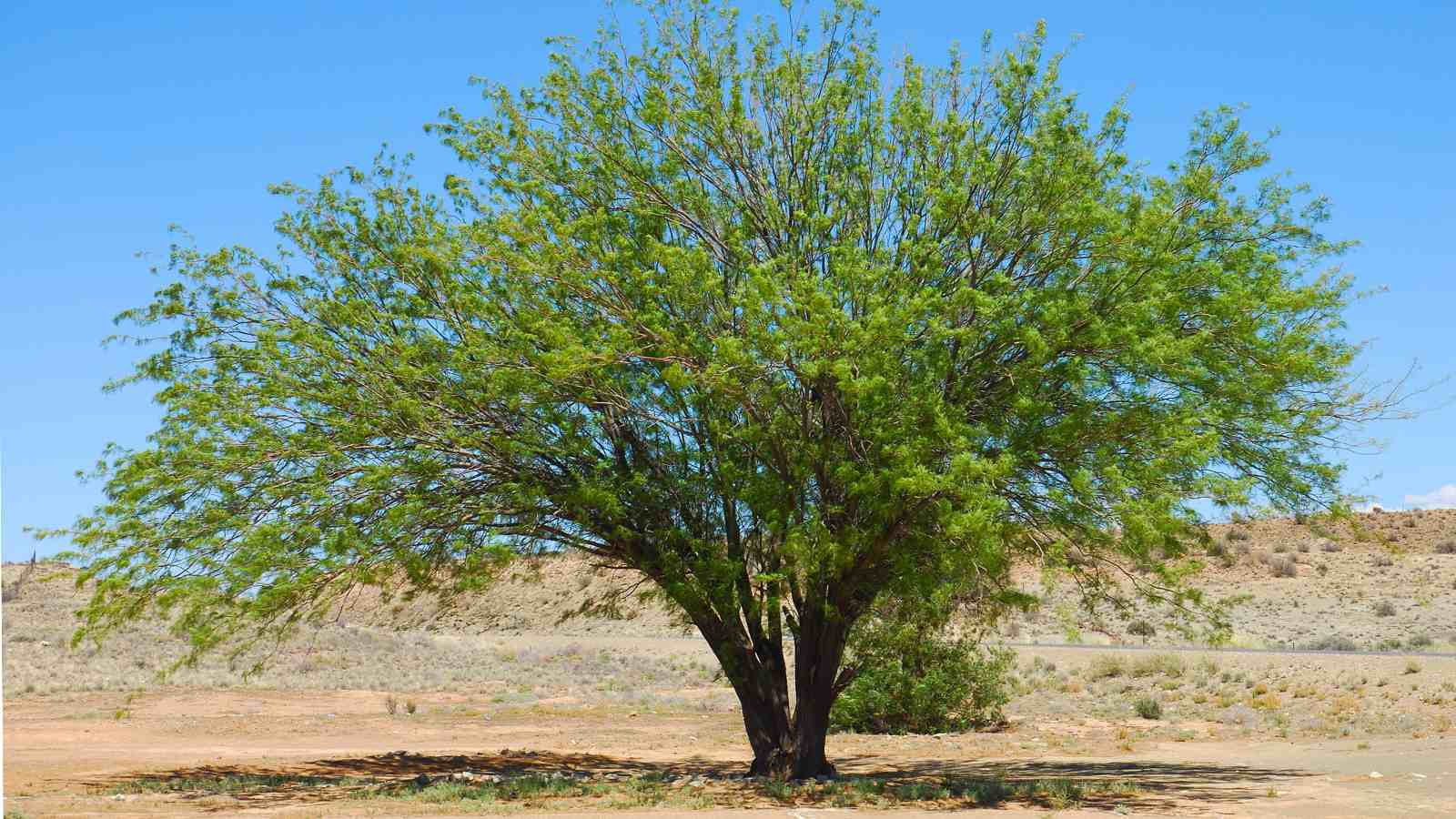
The iconic mesquite tree, a symbol of resilience in arid landscapes, is far more than just a source of flavorful smoke for barbecues. Belonging to the genus Prosopis, these hardy trees and shrubs are keystone species in their native environments. Whether you're a curious hiker, a budding naturalist, or planning a Plant Style Home landscape with drought-tolerant species, learning to identify mesquite is a valuable skill. This visual guide will walk you through the key characteristics to confidently recognize different mesquite species.
Key Characteristics of Mesquite Trees
Mesquite trees share a family resemblance, but close inspection reveals distinct features. By examining their leaves, thorns, flowers, and seed pods, you can accurately identify them.
Leaves: Delicate and Fern-Like
One of the most recognizable traits of a mesquite is its leaf structure. Mesquite leaves are bipinnately compound, meaning the leaf stem divides into multiple smaller stems, each lined with tiny leaflets. This creates a delicate, feathery, or fern-like appearance that casts a light, dappled shade. Typically, a single leaf is 3 to 6 inches long and contains 10 to 30 pairs of these small, oblong leaflets.
Thorns: Formidable Defenses
Almost all native mesquite trees are armed with sharp thorns, a crucial adaptation to deter hungry herbivores in their native habitats. These thorns are not just small prickles; they are often robust, straight spines that can grow over 2 inches long, frequently occurring in pairs at the base of leaf stems. However, some ornamental cultivars have been developed to be thornless, so the absence of thorns doesn't automatically rule out mesquite in a landscaped setting.
Flowers and Fragrance
In late spring to early summer, mesquite trees produce abundant cylindrical flower spikes, called catkins, that are 2 to 4 inches long. The flowers themselves are small, creamy-yellow puffballs that attract a multitude of bees and pollinators. A standout feature during bloom time is the powerful, sweet fragrance that can perfume the entire surrounding area—a hallmark of the honey mesquite in particular.
The Iconic Seed Pods
The fruit of the mesquite is its unmistakable seed pod. Resembling a long, slender bean pod (which it technically is, as mesquites are legumes), these pods mature in late summer, turning from green to a pale yellow or streaked brown. They can range from 4 to 10 inches in length depending on the species. Historically, these sweet, nutritious pods were a vital food source for Indigenous peoples, who ground them into flour.
Identifying Common Mesquite Species
While there are over 40 species worldwide, a few are most commonly encountered in North America.
Velvet Mesquite (Prosopis velutina)
As its name implies, the velvet mesquite is distinguished by the fine, velvety hairs that cover its new leaves, stems, and often its young seed pods. It is a larger tree, often reaching 30-50 feet, with a wide, spreading canopy. Its bark is dark and shaggy, and its thorns are particularly stout. This species is dominant in the Sonoran Desert and is a perfect candidate for a shade-providing centerpiece in a Plant Style Home design that embraces native, water-wise flora.
Honey Mesquite (Prosopis glandulosa)
The honey mesquite is perhaps the most widespread. It can grow as a sprawling, multi-trunked shrub or a medium-sized tree up to 30 feet tall. Its leaves tend to have a brighter green hue and are usually glabrous (smooth), without the velvety hairs. Its most telling feature is its exceptionally sweet-scented flowers and its long, straight seed pods (6-8 inches). It's highly adaptable and found from Texas to California.
Screwbean Mesquite (Prosopis pubescens)
The screwbean mesquite is the easiest to identify thanks to its unique fruit. Instead of a straight pod, it produces a tightly coiled, screw-shaped pod that clusters dramatically on the branches. Its leaves are also typically smaller and grayer than its relatives, and the tree itself is generally smaller, often shrub-like. Look for it in damp areas near streams or washes in the Mojave and Sonoran Deserts.
Habitat and Growing Patterns
Mesquites are xerophytes, meaning they are supremely adapted to dry climates. Their secret is an incredibly deep taproot, which can plunge over 100 feet into the earth to access underground water tables. This makes them survivors in places where other trees perish. You'll typically find them in deserts, grasslands, washes, and along riverbanks. In your landscape, they indicate well-drained soil and full, blazing sun.
Conclusion
Identifying mesquite trees enriches your understanding of the ecosystems they support. From the velvety leaves of the Prosopis velutina to the twisted pods of the screwbean, each species tells a story of adaptation. By observing the combination of their fern-like leaves, formidable thorns, fragrant flowers, and distinctive pods, you can become proficient in recognizing these resilient trees. Incorporating a native mesquite into your outdoor space is not only a sustainable choice but also a way to cultivate a beautiful, low-maintenance Plant Style Home that thrives in harmony with its environment.

 English
 Arabic
 French
 Spanish
 Deutsch
 Turkish
 Dutch
Dutch
 Italiano
 Russian
 Romaian
 Portuguese (Brazil)
 Greek
Greek
