


 Pro Benefits
 About
About
 Terms
Terms
 Privacy
 Child Safety & Protection
 Notifications
 Ayrush Global It Services Pvt Ltd
Key Moments That Shaped the History of Cricket
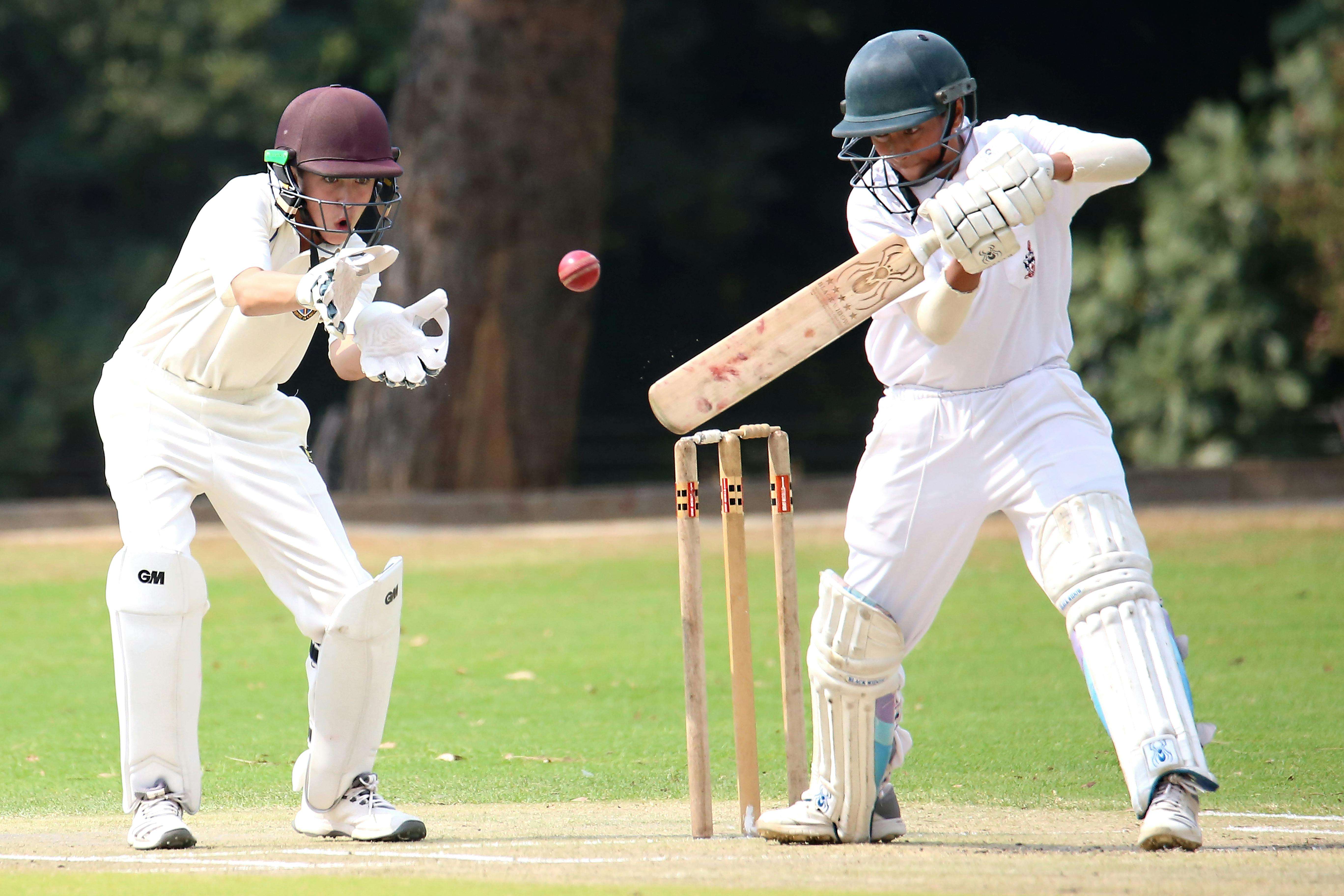
The history of cricket carries long stories, steady change, and many lessons for every type of player. Many readers search for how the game grew, why it changed, and which moments shaped the path we follow today. These moments matter because they guide how we play, learn, and enjoy cricket today. This blog gives you a clear, calm, and useful view of cricket history, starting from the origin of cricket to modern formats. If you play at any level, each moment connects to your journey. Your cricket matters.
The early origin of cricket
The origin of cricket goes back to rural England during the 16th century. Children played a simple bat and ball game in open fields. This early version had few rules, yet it carried the spark that formed the modern sport.
Why early cricket took shape in villages
Villagers had open fields and simple gear. A ball made of wool or leather and a flat stick were enough. The game grew because it was easy to start and fun for groups of all ages.
How early cricket spread beyond villages
Travel between towns brought new players. Traders, soldiers, and students carried the game with them. Each group added small tweaks, which slowly shaped early rules.
The first known cricket rules
The first written rules came in 1744. They gave cricket a clear form and helped the game move from open fields to organised matches.
Key features of the 1744 rules
-
The pitch had set measurements.
-
Bowlers had fixed positions.
-
Umpires had stated duties.
-
The game needed fair play and steady conduct.
These early rules allowed players from different areas to follow one shared pattern. This helped cricket grow into a proper sport.
The rise of county cricket
County matches became popular during the 18th century. These games created teams with strong local identity and new rivalries. Fans today still feel the energy of those contests.
Why county cricket shaped the sport
County teams drew many players. Towns supported their side with passion. Regular matches gave players clear targets and steady training. As a result, cricket gained structure and attention.
The start of international cricket
The first official Test match happened in 1877 between England and Australia. It marked a new chapter in the history of cricket.
Why the first Test match matters
Two nations came together with shared rules. It showed cricket could rise beyond local fields. It opened doors for other countries and set a format that still holds huge respect.
The growth of the Ashes
The Ashes rivalry started in 1882. A newspaper published a mock obituary saying English cricket had died after a loss to Australia. The “Ashes” soon became a symbol of pride. Today it still carries weight for players and fans.
Cricket spreads across nations
By the late 19th and early 20th centuries, cricket had reached India, South Africa, the Caribbean, New Zealand, and beyond. Each region added its own style and passion.
Why cricket caught on across countries
-
Colonial travel made the game easy to share.
-
Local clubs helped new players learn.
-
The simple gear made it easy to start.
-
Competitive teams rose quickly.
Grassroots growth in Asia
In India, Pakistan, Sri Lanka, and Bangladesh, cricket became part of daily life. Street cricket, gully tournaments, and school events helped millions join the cricket story. This culture still thrives today on apps like CricHeroes, where players record matches and share performances.
The Bodyline series and its long-term impact
The 1932–33 Bodyline series changed how cricket saw fairness and safety. England used fast, short bowling aimed at the body to limit Don Bradman’s scoring. It caused concern and tension between nations.
What the Bodyline series changed
-
Bowling rules became clearer.
-
Safety standards improved.
-
Sportsmanship became a stronger focus.
The rise of limited overs cricket
The next major shift came in 1963 with the first one-day match in England. Teams played a set number of overs, which made the game shorter and more exciting.
Why limited overs cricket changed the game
Shorter matches brought new fans. Players had to think faster. Shots, running, and fielding changed with the pace. Stadiums filled up. Broadcasters loved the shorter format.
The first Cricket World Cup
The first men’s Cricket World Cup took place in 1975 in England. West Indies won with style and flair.
Key takeaways from the first World Cup
-
Teams needed plans for crunch moments.
-
White-ball cricket gained respect.
-
Fans enjoyed matches that finished on the same day.
This tournament shaped the direction of global cricket for decades.
The birth of T20 cricket
T20 cricket arrived in England in 2003. It changed global cricket faster than any format before it.
Why T20 cricket reshaped modern cricket
-
Matches lasted about three hours.
-
TV audiences increased.
-
New shots, bold ideas, and fearless tactics grew.
-
Young players found quick paths to success.
T20 leagues spread worldwide
The Indian Premier League launched in 2008. It gave players from many countries a stage to perform. It also helped fans follow their favourite stars.
Technology in cricket
Technology changed cricket more in the last 20 years than in the first 200. It added fairness, clarity, and learning tools for all players.
Important tech moments
-
Third umpire decisions changed after TV reviews.
-
Hawk-Eye showed ball tracking.
-
Snicko and Hot Spot improved edge detection.
-
DRS gave teams a say in decisions.
How tech helps grassroots players today
Apps like CricHeroes bring live scoring, ball-by-ball updates, and match records to every level. Amateur players track runs, wickets, strike rates, and spells with ease. It builds confidence and creates a community where every match counts.
Women’s cricket rises to global fame
Women have played cricket for centuries, yet global attention grew steadily from the late 20th century onward. The Women’s World Cup began in 1973, two years before the men’s event.
Why women’s cricket grew fast
-
More countries built teams.
-
Broadcast coverage increased.
-
Young girls saw role models.
-
T20 cricket suited fast play.
Today, women’s cricket stands strong with global leagues, packed stadiums, and inspiring stories.
The shift to modern cricket formats
Today cricket has three main formats. Each format serves a purpose and offers its own charm.
Test cricket
The oldest and most respected format. It tests patience, focus, and skill across five days.
One-day cricket
The middle format. It balances steady plans with attacking play.
T20 cricket
Fast, thrilling, and ideal for new fans. It rewards brave batting and sharp fielding.
Moments that shaped modern cricket strategy
Cricket strategy shifted many times over the years. Key moments include the rise of power-hitting, wrist spin, data analysis, and specialised roles.
Growth of power-hitting
New bats, fitness routines, and T20 pressure pushed players to score faster. The modern game now celebrates clean hits and brave finishes.
Wrist spin takes the spotlight
Many teams found success through wrist spinners who turned matches with sharp movement.
Data becomes part of planning
Teams now study patterns, matchups, and ground history. Apps also help club players study their own records. CricHeroes gives local teams numbers they can trust.
A short look at how cricket changed by decade
| Decade | Key change | Impact on cricket |
|---|---|---|
| 1960s | Limited overs cricket starts | Shorter games gain interest |
| 1970s | First World Cup | Global stage builds |
| 1990s | TV coverage expands | Wider fan reach |
| 2000s | T20 cricket starts | Fast play grows |
| 2010s | Tech improves decisions | Fairness improves |
| 2020s | Data-driven cricket rises | Teams plan smarter |
Why these moments matter to everyday players
Each moment from the history of cricket shapes how we play today. Grassroots players face shorter matches, new tactics, and sharper fielding. Many play with soft balls, tennis balls, or leather balls based on local style. Apps like CricHeroes help record matches and share personal progress.
How you can learn from cricket history
-
Practice with clear purpose.
-
Respect every role in the team.
-
Stay steady during tough phases.
-
Keep improving small skills.
-
Play with joy.
FAQ
What is the history of cricket in simple terms?
The history of cricket is the long story of how cricket grew from a village game in England to a global sport played in many countries.
When did the origin of cricket begin?
The origin of cricket began in 16th century England when children played early bat and ball games.
Why did cricket spread across the world?
Cricket spread because travellers, traders, and soldiers carried it to new places where local clubs helped it grow.
Who played the first Test match?
England and Australia played the first Test match in 1877.
When did limited overs cricket start?
Limited overs cricket started in 1963 in England with one-day matches.
When was the first Cricket World Cup held?
The first Cricket World Cup took place in 1975 in England.
Why did T20 cricket become popular?
T20 cricket became popular because it is short, exciting, and easy to watch.
How has technology changed cricket?
Technology changed cricket by improving decision accuracy and helping players study matches.
Is women’s cricket part of cricket history?
Yes, women’s cricket has a long history and has grown strongly over the past decades.
How can I track my cricket matches today?
You can track your matches with apps like CricHeroes, which offer easy scoring and ball-by-ball updates.

 Arabic
 French
 Spanish
 Portuguese
 Deutsch
 Turkish
 Dutch
Dutch
 Italiano
 Russian
 Romaian
 Portuguese (Brazil)
 Greek
Greek
