


 Pro Benefits
 About
About
 Voorwaarden
 Privacy
 Child Safety & Protection
 Meldingen
 Ayrush Global It Services Pvt Ltd
The Complete Guide to Importing Tyres: What Every Business Should Know
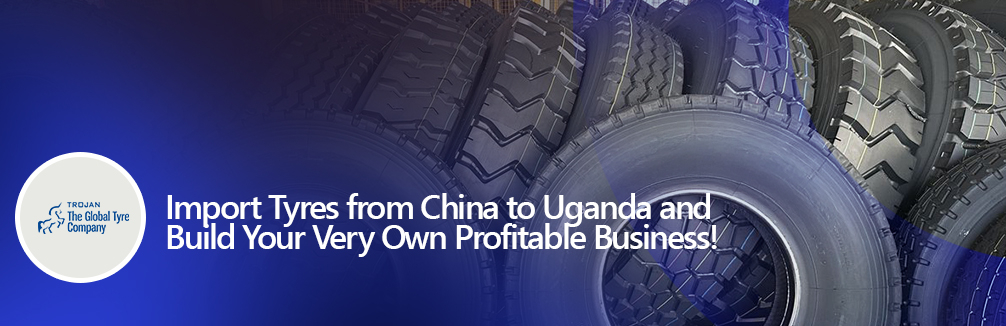
In today’s globalized economy, importing tyres has become an essential strategy for businesses looking to expand their inventory, reduce costs, and offer a wider range of products. Whether you are a tyre retailer, a logistics company, or a fleet operator, understanding the process of importing tyres is crucial for smooth operations and maximizing profitability. This comprehensive guide will take you through everything you need to know about import tyres successfully.
Why Businesses Import Tyres
Tyres are one of the most traded automotive components globally. Importing tyres allows businesses to:
-
Access a Wider Range of Products: Local manufacturers may have limited options in size, type, or brand. By importing tyres, businesses can cater to diverse customer needs.
-
Cost Efficiency: Certain international markets produce tyres at lower costs, enabling businesses to improve their profit margins.
-
Premium Brands Availability: Many high-quality or specialty tyres are not produced locally. Importing ensures your inventory has premium options that attract high-end clients.
-
Stay Competitive: In markets where tyre demand is high, offering imported products can set your business apart from competitors.
Steps Involved in Importing Tyres
Importing tyres may seem complicated, but with proper planning and knowledge, it can be straightforward. Here’s a step-by-step guide:
1. Research and Choose Suppliers
The first step in importing tyres is finding a reliable supplier. This could be a manufacturer or a wholesaler abroad. When selecting a supplier, consider:
-
Product quality and certifications
-
Reputation and reviews
-
Pricing and payment terms
-
Minimum order quantity (MOQ)
-
Shipping options
2. Understand Regulations and Compliance
Tyres are regulated products in many countries due to safety and environmental concerns. Before importing, ensure compliance with:
-
National safety standards for tyre manufacturing
-
Import duties and taxes imposed by customs authorities
-
Environmental regulations regarding materials and disposal
-
Labeling and documentation requirements
Failing to comply with these rules can result in fines, delays, or seizure of your shipment.
3. Negotiate Terms and Place Orders
Once you’ve identified a supplier and verified compliance, negotiate terms including:
-
Price per tyre
-
Shipping costs and insurance
-
Delivery timelines
-
Payment methods (L/C, T/T, or PayPal)
Clear agreements at this stage prevent misunderstandings later.
4. Arrange Shipping and Logistics
Shipping tyres internationally can be done via sea freight, air freight, or land transport depending on:
-
Quantity of tyres
-
Delivery urgency
-
Budget
Sea freight is cost-effective for bulk orders, while air freight is faster but more expensive. Partnering with a reliable freight forwarder ensures smooth transportation and handles customs documentation efficiently.
5. Customs Clearance
Before tyres enter your country, they must go through customs clearance. Documents generally required include:
-
Commercial invoice
-
Packing list
-
Bill of lading
-
Certificate of origin
-
Import license (if required)
Customs duties and taxes are calculated based on tyre type, size, and quantity. Hiring a customs broker can simplify this process.
6. Quality Inspection
Even if you trust your supplier, inspecting tyres upon arrival is crucial. Look for:
-
Manufacturing defects
-
Correct size and type
-
Compliance with safety standards
Quality inspection ensures that your customers receive safe and durable tyres.
7. Storage and Distribution
Tyres must be stored properly to prevent damage. Tips for proper storage:
-
Keep tyres in a cool, dry place
-
Avoid direct sunlight
-
Store vertically for long-term storage
-
Use pallets to prevent ground contact
After storage, plan your distribution strategy to reach retailers, workshops, or end customers efficiently.
Common Challenges in Importing Tyres
While importing tyres offers many advantages, businesses often face challenges:
-
Fluctuating Shipping Costs: Global fuel prices and freight demand can affect shipping rates.
-
Customs Delays: Incomplete documentation or non-compliance can cause significant delays.
-
Currency Fluctuations: International payments can be impacted by exchange rate variations.
-
Product Quality Concerns: Always verify the authenticity of brands and quality certifications.
Proper planning, supplier verification, and using trusted logistics partners can help mitigate these risks.
Tips for Successful Tyre Importing
-
Build Long-Term Supplier Relationships: Trusted suppliers can offer better pricing, priority shipping, and flexible terms.
-
Stay Updated on Regulations: Customs laws and safety standards change regularly. Ensure you are compliant.
-
Use Technology: Inventory management systems help track tyre stock and optimize imports based on demand.
-
Diversify Suppliers: Avoid relying on a single supplier to reduce risk.
Conclusion
Import tyres is a strategic business decision that can enhance product variety, reduce costs, and improve profitability. While the process involves multiple steps—from supplier selection to customs clearance and storage—careful planning ensures success. By staying informed, complying with regulations, and focusing on quality, businesses can establish a strong presence in the tyre market and meet customer demands efficiently.

 English
 Arabic
 French
 Spanish
 Portuguese
 Deutsch
 Turkish
 Italiano
 Russian
 Romaian
 Portuguese (Brazil)
 Greek
Greek
