


 Pro Benefits
 About
About
 Términos
 Privacidad
 Child Safety & Protection
 Notificaciones
 Ayrush Global It Services Pvt Ltd
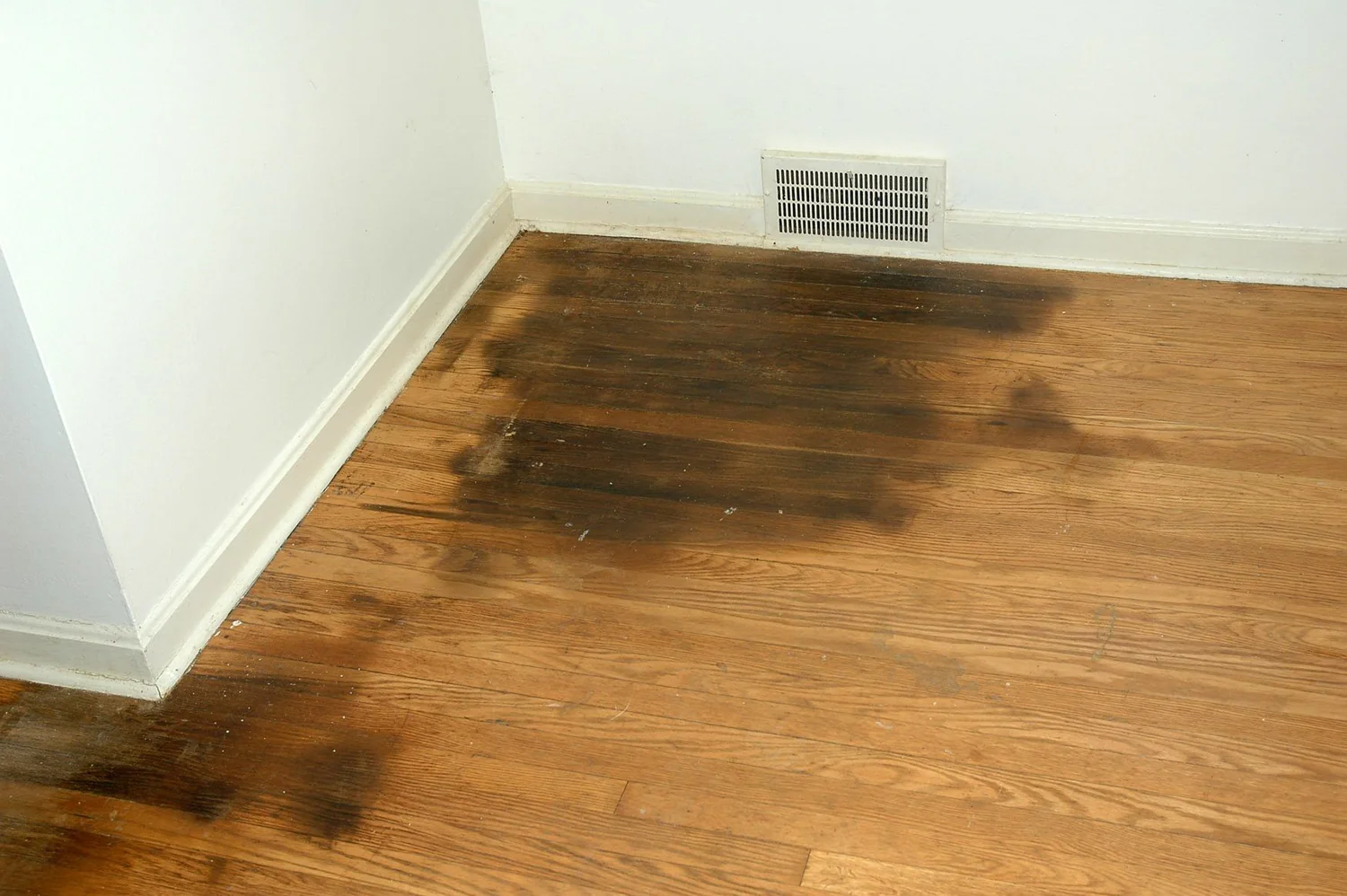
Changing the color of your flooring is one of the fastest ways to transform a room, especially if you’re hoping to achieve a bold and dramatic look. Many homeowners ask, can laminate flooring be stained black, particularly during renovation projects or full flooring makeovers. While the idea sounds simple, the process is far more complex due to laminate’s unique construction. Before attempting any staining, it’s essential to understand how laminate flooring is made and why traditional wood-staining methods don’t work the same way on fake wood floors like laminate.
This comprehensive guide explains everything you need to know, whether staining laminate is possible, its risks, what alternatives exist, and how you can safely achieve a stylish black-floor aesthetic without damaging the surface.
Understanding Laminate Flooring?
Laminate flooring is made through a layered construction process. The core is typically a high-density fiberboard (HDF) core manufactured from compressed wood fibers. Above the core sits a printed surface layer, which is essentially a photograph of wood grain, stone, or tile. On top of that, a durable wear layer protects the printed design and keeps the floor safe from scratches, stains, and moisture.
Although laminate is known for its water-resistant qualities and durability, it is not waterproof like LVP (luxury vinyl plank). Because of this layered construction, laminate cannot absorb traditional stains or gel stains the way real hardwood can.
Why Laminate Flooring Cannot Be Traditionally Stained
Laminate flooring cannot be stained black in the same way that natural wood can. The main reason lies in the protective wear layer. This layer is designed to seal the printed surface completely, preventing moisture, spills, and dirt from penetrating the photographic layer. However, this also prevents stains, including black wood stains, from bonding with the material.
Even products like tinted sealers, gel stains, and pigmented oils cannot soak into laminate flooring because the wear layer is not porous. If you try to sand the wear layer off, you’ll remove the printed surface layer as well, leaving behind the brown HDF core. At that point, the floor would look damaged rather than professionally refinished.
Because of this, any attempt to directly stain laminate flooring will lead to:
-
Uneven absorption
-
Peeling or flaking
-
Visible streaks
-
Permanent damage to the wear layer
-
Black spot areas that develop mold if moisture seeps into the exposed core
Therefore, while the question can laminate flooring be stained black comes up often, the reality is that laminate flooring cannot be stained in the traditional sense and attempting to do so can void warranties and create long-term problems.
Why Sanding Is Not an Option
Homeowners familiar with hardwood refinishing may wonder if sanding the surface first can make staining possible. Unfortunately, sanding laminate floors is never recommended. Unlike hardwood flooring, laminate doesn’t have real wood grain, stain-absorbent surface and protective structure beneath the wear layer.
If you sand laminate flooring:
-
The wear layer will be destroyed.
-
The printed image will be removed.
-
You’ll expose the high-density fiberboard core, which absorbs water rapidly.
-
Moisture exposure will cause swelling, warping, or cupping.
-
In humid conditions, mold can develop under damaged areas.
So sanding laminate is not only ineffective, it’s dangerous for the structural integrity of your floor.
Safe Ways to Achieve a Black Floor Effect on Laminate
While staining is not possible, homeowners still have several reliable alternatives. These solutions allow you to achieve the sleek appearance of black flooring without harming your laminate surface.
Below are the most effective and safe alternatives.
1. Black Laminate Floor Polish (Tinted Polish)
One of the gentlest and most reversible ways to darken laminate floors is to use a black-tinted laminate floor polish. This coating sits on top of the wear layer rather than penetrating it. While it does not permanently “stain” the surface, it can provide:
-
A deeper, richer tone
-
A subtle black sheen
-
A refreshed, uniform look
However, tinted floor polish must be reapplied periodically. It also requires delicate maintenance, microfiber cloths only, no abrasive tools, and your flooring care instructions must be followed strictly. The benefit is that it will not damage fake wood floors or void warranties.
2. Black Tinted Sealers (Surface-Level Color Enhancement)
Tinted sealers are another option, but they must be used with caution. Only sealers specifically designed for laminate flooring should be applied. Some tinted sealers marketed for vinyl or tile are not compatible with laminate and may result in peeling or surface discoloration.
Black tinted sealers offer:
-
Stronger color enhancement than polish
-
A low-gloss or matte black appearance
-
Protection from minor surface scuffs
However, they do not bond permanently like stains do on natural wood.
3. Professional-Grade Floor-Safe Paints
For homeowners wanting a dramatic black transformation without replacing flooring, floor-safe paint can provide a bold matte or satin black result. These paints are designed to bond with smooth surfaces and are sometimes used in hospital flooring, facility planning projects, and commercial renovations.
However, painting laminate should always be considered semi-permanent. While it can be long-lasting, it requires:
-
Primer compatible with laminate
-
Multi-coat application
-
A top protective sealer
-
Maintenance using only gentle cleaners
Using floor-safe paints is one of the most visually striking alternatives when staining is not possible.
4. Decorative Black Area Rugs and Runners
Sometimes, the simplest option is also the most effective. Black area rugs or runners can dramatically change the color dynamic of a room without altering the flooring surface. This option is ideal for:
-
Renters
-
Temporary renovations
-
High-traffic spaces
-
Rooms with inconsistent lighting
It’s also the safest method because it does not involve chemical treatments.
5. Replacing Select Planks With Black Laminate or Black LVP
If your goal is to fully commit to a black floor aesthetic, replacing the existing laminate with a black-tone option is the most durable route. Many homeowners upgrade to dark laminate flooring with a realistic wood grain, like Ecru oak, Grey oak and Leysin oak.
When moisture-resistance matters, vinyl flooring is preferred. Its waterproof rating and seamless construction make it safe in kitchens, bathrooms, or basement renovations.
You can also explore The Best Laminate Flooring Options for Modern Open-Concept Homes.
How to Refresh the Appearance Without Staining
If your goal is simply to refresh the look rather than achieve a solid black floor, laminate can be rejuvenated with:
-
A laminate-specific polish
-
Microfiber cloth cleaning
-
Gentle floor cleaners
-
UV-resistant protectants
These products restore the original color, enhance sheen, and make fake wood floors appear newer without altering the design layer.
Professional Approaches: When to Call a Flooring Specialist
Flooring experts can help homeowners evaluate whether staining alternatives are safe. Specialists may perform:
-
Laminate scribing for edge precision
-
Surface preparation
-
Color-matched sealing
-
Installation of black LVP or engineered alternatives
-
Mold inspections
They can also advise on waterproof ratings, humidity control, and long-term maintenance—particularly in older homes where moisture is harder to control.
Steps to Maintain Floors After Darkening or Polishing
If you apply tinted polish, sealers, or floor-safe paints, maintaining the surface is essential. Below are essential care steps.
1. Clean with microfiber clothes only: Microfiber cloths prevent scratching and distribute polish evenly.
2. Avoid harsh chemicals: Strong solvents can strip tinted layers or remove protective coatings.
3. Use door mats and protective pads: Doormats prevent grit that can damage darkened surfaces, and furniture pads protect against wear.
4. Maintain low moisture exposure: Even water-resistant laminate can react poorly to standing water, so avoid wet mopping or steam cleaning.
5. Reapply tinted polish periodically: Tinted products fade slowly over time and require occasional renewal.
When It’s Better to Replace Rather Than Refinish
If your goal is a true, deep black tone, not a temporary color enhancement, replacement is the only method that delivers a flawless, permanent result.
Laminate that has: Scratches, swelling, wear layer damage, mold and aging finish is often better replaced with modern flooring options that come pre-finished in black styles.
Conclusion: Parma Floors Recommendation
Since laminate flooring cannot be stained black using traditional wood-stain methods, choosing safe alternatives is essential for long-term results. Whether you prefer tinted polish, floor-safe paint, or a complete flooring replacement, the right approach depends on your goals, moisture exposure, and the existing floor condition.
At Parma Floors, our design team can guide you toward the best black flooring options, from rich laminate tones to waterproof vinyl solutions that offer beauty, durability, and a seamless finish for any renovation project.
FAQs
1. Can laminate wood be stained?
No, laminate wood cannot be stained like real hardwood because its wear layer is non-porous. Stain cannot penetrate the printed surface layer, and sanding destroys the core. Only surface-level alternatives, such as tinted polish or floor-safe paints, can change its appearance.
2. Can you stain laminate flooring black?
Laminate flooring cannot be truly stained black because the wear layer prevents absorption. Traditional wood stains, gel stains, or tinted oils will not bond properly. To achieve a black look, use floor-safe paint, tinted sealers, or replace planks with black laminate or vinyl.
3. Can I change the color of laminate flooring?
You cannot permanently change the color of laminate flooring because the top layer is manufactured with a printed design. However, you can temporarily alter the tone using tinted floor polish, specialty paints, or by installing new laminate or LVP in the desired color.
4. Can you stain over laminate flooring?
Staining over laminate flooring is not recommended because the wear layer rejects stain and causes streaking or peeling. Any attempt to sand will expose the HDF core, leading to swelling or mold. Surface-safe coatings or flooring replacement are better solutions.
5. Can laminate be painted?
Yes, laminate can be painted using floor-safe paints designed for slick surfaces, but only after proper cleaning and priming. Painted laminate is a semi-permanent solution and requires a protective topcoat. It cannot replicate the durability of factory-finished laminate planks.

 English
 Arabic
 French
 Portuguese
 Deutsch
 Turkish
 Dutch
Dutch
 Italiano
 Russian
 Romaian
 Portuguese (Brazil)
 Greek
Greek
