


 Pro Benefits
 Sobre
Sobre
 Termos
 Privacidade
 Child Safety & Protection
 Notificações
 Ayrush Global It Services Pvt Ltd
Positive Behaviour Support: Person-Centered Approaches to Care
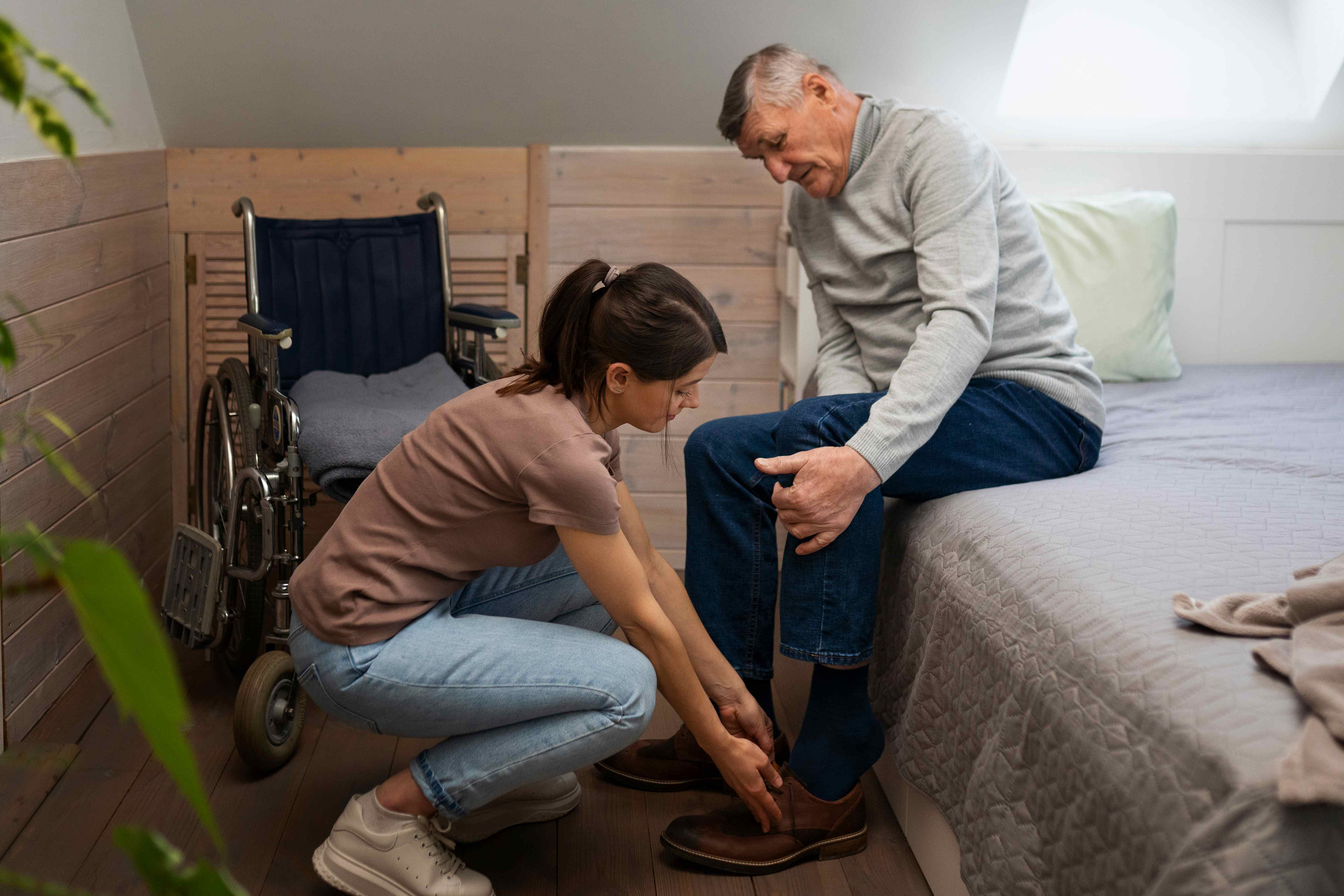
Positive Behaviour Support (PBS) is a person-centered, evidence-based approach aimed at reducing challenging behaviours and improving quality of life for individuals with disabilities, mental health conditions, or behavioural difficulties. Unlike punitive methods, PBS focuses on understanding why behaviours occur and implementing strategies that encourage positive outcomes.
What Is Positive Behaviour Support?
PBS combines applied behaviour analysis, person-centered planning, and evidence-based interventions. Its primary goal is to support individuals in developing skills, enhancing independence, and participating meaningfully in daily life. PBS strategies are customized for each individual, taking into account their strengths, preferences, environment, and goals.
Core Principles of PBS
-
Person-Centered Approach: Every plan is tailored to the individual’s unique needs, preferences, and aspirations.
-
Understanding Behaviour: PBS identifies triggers, motivations, and functions of behaviours to address root causes.
-
Proactive Strategies: Interventions focus on preventing challenging behaviours by adjusting environments and teaching new skills.
-
Positive Reinforcement: Encouraging desired behaviours through praise, rewards, and consistent support.
-
Collaboration: Families, caregivers, and professionals work together to ensure consistent implementation across settings.
Benefits of Positive Behaviour Support
-
Enhanced Quality of Life: Individuals gain confidence, independence, and social skills.
-
Reduced Challenging Behaviour: PBS strategies minimize aggression, self-harm, or disruptive behaviours.
-
Safer Environments: Promotes safety for individuals, caregivers, and the community.
-
Skill Development: Improves communication, coping strategies, and daily living abilities.
-
Consistent Support: Ensures coordinated care across home, school, or community settings.
Who Can Benefit from PBS?
PBS is effective for people of all ages who experience behavioural challenges. It is widely used in NDIS services, disability support programs, mental health care, schools, and community organizations to promote positive behaviours and enhance wellbeing.
Conclusion
Positive Behaviour Support is a holistic, ethical approach to managing challenging behaviours. By focusing on understanding, prevention, and reinforcement, PBS empowers individuals to develop skills, participate actively in their community, and improve overall quality of life. Implementing PBS ensures a supportive, safe, and consistent environment for both individuals and caregivers.

 Portuguese (Brazil)
 English
 Arabic
 French
 Spanish
 Portuguese
 Deutsch
 Turkish
 Dutch
Dutch
 Italiano
 Russian
 Romaian
 Greek
Greek
