


 Pro Benefits
 Σχετικά
 Όρους
Όρους
 Ιδιωτικότητα
 Child Safety & Protection
 Ειδοποιήσεις
 Ayrush Global It Services Pvt Ltd
UPVC Window Handles: Materials, Finishes, and Functions
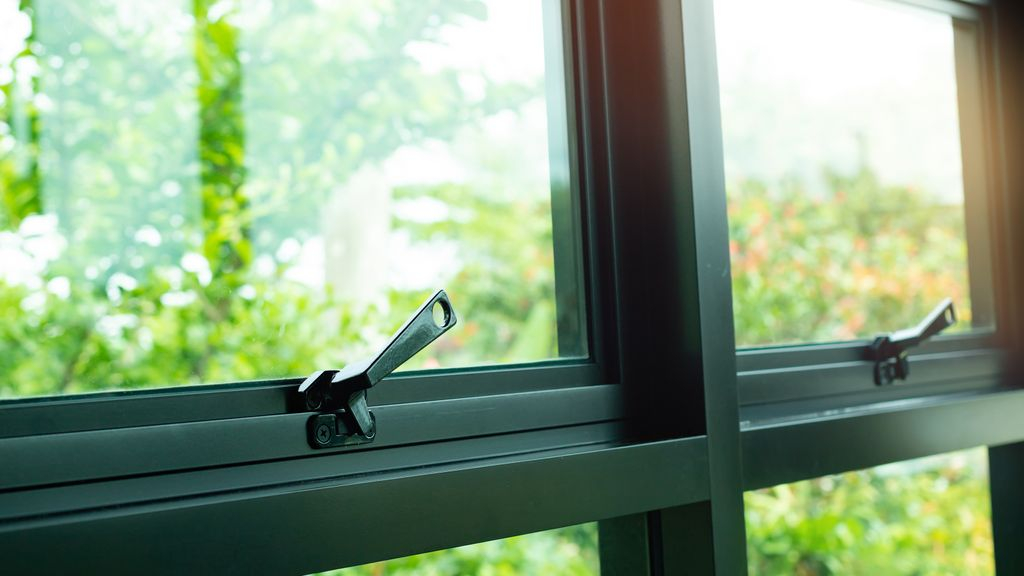
Windows are not just openings that allow light and air into our homes; they also contribute significantly to the aesthetic appeal, energy efficiency, and security of a building. Among the various components of a window, handles play a crucial role.
While often overlooked, uPVC window handles are essential for the operation, durability, and overall style of windows. This article delves into the materials, finishes, and functions of handles, highlighting their importance in both residential and commercial applications.
Understanding uPVC Windows
Before exploring window handles, it’s important to understand what uPVC windows are. uPVC stands for unplasticized polyvinyl chloride, a type of rigid plastic widely used in window frames due to its durability, low maintenance, and thermal efficiency.
Unlike traditional wooden or metal frames, uPVC frames do not rot, corrode, or require frequent painting. The handles used on these windows are designed specifically to complement uPVC’s properties, ensuring smooth operation, security, and longevity.
Materials Used in uPVC Window Handles
UPVC window handles are manufactured from a range of materials, each offering unique benefits in terms of strength, durability, aesthetics, and cost. The most common materials include:
Aluminum
Aluminum handles are lightweight, strong, and corrosion-resistant. They are often used in modern homes and commercial buildings where sleek designs and metallic finishes are desired. Aluminum handles can be anodized or powder-coated for extra durability and to prevent scratches or fading over time.
Zinc Alloy
Zinc alloy handles are popular due to their strength, malleability, and resistance to wear. Zinc alloy allows for intricate designs and shapes that might be difficult with other metals. Additionally, zinc alloy handles often feature plated finishes that enhance both aesthetics and resistance to environmental factors such as moisture and UV exposure.
Stainless Steel
Stainless steel handles are favored for their robustness and long-lasting quality. They are highly resistant to corrosion, making them suitable for coastal areas where salt-laden air can quickly degrade less resilient metals. Stainless steel handles offer a modern, polished look that complements contemporary uPVC window frames.
uPVC or Plastic
Some window handles are made entirely from reinforced plastic, often matching the frame color. These handles are lightweight, cost-effective, and resistant to rust and corrosion. However, they may not be as durable as metal alternatives, especially under heavy or frequent use.
Finishes for uPVC Window Handles
The finish of a window handle not only enhances its appearance but also contributes to its durability. Finishes protect the underlying material from wear, corrosion, and environmental damage. Common finishes include:
Powder-Coated Finish
Powder coating involves applying a dry powder that is cured under heat to form a durable, protective layer. This finish is available in various colors and textures, making it ideal for matching or contrasting window frames. Powder-coated handles are resistant to scratches, fading, and rust, ensuring long-term aesthetic appeal.
Polished or Brushed Metal Finish
Polished finishes give handles a shiny, reflective surface, while brushed finishes provide a subtle, matte texture. These metallic finishes are commonly applied to aluminum, zinc alloy, or stainless steel handles. Brushed finishes are particularly effective at hiding fingerprints and minor scratches, making them practical for high-traffic areas.
Electroplated Finish
Electroplating involves depositing a thin layer of metal, such as chrome, nickel, or brass, onto the handle’s surface. This enhances both appearance and corrosion resistance. Electroplated handles are available in classic metallic shades, adding a touch of elegance to traditional or contemporary window designs.
Painted Finish
Painted handles allow homeowners to coordinate their window hardware with interior décor. High-quality paint coatings also provide a layer of protection against moisture, UV radiation, and everyday wear. However, painted finishes may require occasional touch-ups to maintain their look over time.
Matte Finish
Matte finishes are increasingly popular due to their understated, modern appearance. They are less reflective than polished or glossy finishes and are effective at concealing scratches and smudges. Matte finishes are typically applied to metal or plastic handles.
Functions of uPVC Window Handles
Window handles are more than just decorative elements—they serve several critical functions that affect safety, usability, and energy efficiency.
Operation and Convenience
The primary function of a window handle is to facilitate the smooth opening, closing, and locking of the window. Handles are ergonomically designed to provide a comfortable grip, making them easy to operate for people of all ages. Some handles feature multi-point locking mechanisms or push-to-open designs for added convenience.
Security
uPVC windows are often equipped with locking handles to enhance security. Locking handles can prevent unauthorized access from the outside, acting as a deterrent against break-ins. Handles with integrated key locks are especially useful for ground-floor windows or windows in vulnerable locations.
Ventilation Control
Certain uPVC window handles are designed to allow partial opening of windows for controlled ventilation. These handles can enable tilt-and-turn or restricted opening functions, helping to regulate airflow while maintaining safety—particularly in homes with children or pets.
Durability and Resistance
Handles contribute to the overall lifespan of the window by withstanding daily use and exposure to environmental elements. High-quality materials and finishes prevent corrosion, fading, and mechanical wear, ensuring the handle remains functional and attractive over time.
Aesthetic Appeal
Finally, window handles enhance the visual appeal of a window. By selecting the right material and finish, homeowners and designers can complement the style of the building, whether modern, traditional, or industrial. A well-chosen handle can transform the look of a window, adding subtle sophistication or bold contrast.
Choosing the Right Window Handle
Selecting the right handle involves considering several factors:
Material: Assess the environment and expected usage. Coastal or humid areas may require corrosion-resistant metals like stainless steel or zinc alloy.
Finish: Choose a finish that complements the window frame and interior décor while offering durability.
Functionality: Determine if locking, tilt-and-turn, or restricted-opening features are needed.
Design: Consider ergonomics and aesthetics to ensure both comfort and style.
By carefully balancing these factors, homeowners and builders can ensure that window handles enhance both the functionality and visual appeal of windows.
Conclusion
uPVC window handles may seem like minor components, but their impact on the functionality, security, and aesthetics of windows is significant. Understanding the variety of materials, finishes, and functions available allows homeowners and designers to make informed choices.
From durable zinc alloy and stainless steel handles to sleek powder-coated or brushed finishes, each option offers a unique combination of style and practicality. Ultimately, selecting the right window handle ensures smooth operation, long-lasting performance, and a visually pleasing window setup, making it an essential consideration in modern construction and home improvement.

 English
 Arabic
 French
 Spanish
 Portuguese
 Deutsch
 Turkish
 Dutch
Dutch
 Italiano
 Russian
 Romaian
 Portuguese (Brazil)
