


 Pro Benefits
 About
About
 Termini e Condizioni
 Privacy
 Notifiche
Home Fitness Equipment Repair: A Complete Guide to Keeping Your Machines Running Smoothly
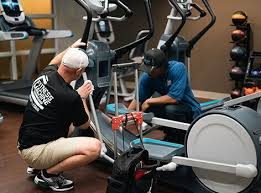
As more people build personal gyms at home, maintaining and repairing home fitness equipment has become more important than ever. Whether you own a treadmill, elliptical, exercise bike, rowing machine, or strength-training system, regular servicing and timely repairs can save you money, extend the equipment’s lifespan, and ensure a safe workout experience. This comprehensive guide explains everything you need to know about home fitness equipment repair, common problems, DIY tips, and when to call professionals.
Why Home Fitness Equipment Repair Matters
Home gym machines are long-term investments. When they stop working or develop issues, your workouts come to a halt—and ignoring the problem often leads to more expensive damage. Regular repair and maintenance help you:
-
Prevent mechanical breakdowns
-
Improve workout safety
-
Keep equipment quiet and smooth
-
Avoid costly replacements
-
Increase lifespan and performance
Maintaining your equipment is just as important as using it. A few smart steps can keep your machines functioning like new.
Common Problems With Home Fitness Equipment
Different machines develop different issues, but most fall into predictable categories. Here are the most common repair needs for home gym equipment:
1. Treadmill Problems
Treadmills are the most used and repaired home fitness machines. Common issues include:
-
Belt slipping or fraying
-
Motor overheating
-
Electronic console not working
-
Speed inconsistencies
-
Burning smell or excessive noise
Most treadmill problems start with improper lubrication or belt alignment.
2. Elliptical Trainer Issues
Ellipticals have many moving parts, which means issues can arise over time:
-
Squeaking or knocking sounds
-
Resistance not working
-
Loose pedals
-
Display screen errors
-
Worn bearings or bushings
Noise is usually the earliest sign that the machine needs repair.
3. Exercise Bike Repairs
Stationary bikes—especially spin and recumbent models—face problems like:
-
Resistance knob failure
-
Pedal or crank arm loosening
-
Chain or belt wear
-
Seat and handlebar instability
-
Display malfunctions
Most bike issues are mechanical and can be adjusted or tightened.
4. Rowing Machine Problems
Rowers are simple but powerful machines. Typical issues include:
-
Damaged rowing straps or handles
-
Resistance system failure
-
Rail noise
-
Seat sticking or not sliding properly
-
Sensor or display issues
Rowers need regular cleaning and lubrication to stay smooth.
5. Multi-Gym & Strength Equipment Issues
Home cable machines and multi-gyms often require:
-
Cable replacements
-
Pulley alignment
-
Frame tightening
-
Weight stack maintenance
-
Padding repairs
Cables should be inspected frequently to prevent snapping, which can cause injuries.
DIY Home Fitness Equipment Repair Tips
Many home gym equipment problems can be fixed without professional help—especially if you perform basic maintenance regularly.
1. Lubricate Moving Parts
Most machines need lubrication every 3–6 months. Use manufacturer-approved silicone or Teflon lubricants.
Lubrication helps:
-
Reduce friction
-
Prevent belt wear
-
Minimize noise
-
Protect motors and bearings
2. Tighten Bolts and Screws
Regular vibration loosens joints. Check and tighten:
-
Frame bolts
-
Pedal screws
-
Handlebar mounts
-
Seat adjustment knobs
-
Treadmill belt screws
A simple wrench can solve many mechanical issues.
3. Clean Dust and Sweat
Dust buildup damages electronics and motors, while sweat leads to corrosion.
Clean:
-
Under treadmill belt
-
Inside motor covers
-
Elliptical tracks
-
Bike flywheel area
-
Rowing rail
Use a microfiber cloth and avoid harsh chemicals.
4. Adjust Treadmill Belt Alignment
A common DIY fix:
-
Run the treadmill at low speed
-
Use the rear adjustment screws
-
Straighten the belt so it stays centered
A misaligned belt causes slipping and uneven wear.
5. Reset Electronic Consoles
If your console is frozen or showing error codes:
-
Unplug the machine
-
Wait 30 seconds
-
Plug it in and restart
Sometimes a simple reset resolves the issue.
When You Should Call a Professional Repair Technician
Although DIY fixes are useful, some repairs require expert handling—especially when dealing with:
-
Motor replacements
-
Electrical wiring issues
-
Damaged bearings
-
Major belt or chain replacements
-
Cable and pulley repairs
-
Faulty circuit boards
-
Safety-related problems
Attempting complicated repairs without training may worsen the damage or void the warranty.
A professional technician can diagnose issues quickly and ensure safe, long-term operation of your home fitness equipment.
How to Choose a Reliable Home Fitness Equipment Repair Service
When hiring a repair service, look for these qualities:
1. Certified Technicians
Choose a company with trained and certified professionals. They should have experience with all major brands and models.
2. On-Site Servicing
Avoid services that require you to transport your machine. Home gym equipment is heavy and difficult to move.
3. Transparent Pricing
Ask for:
-
Diagnostic fee
-
Labor cost
-
Parts cost
-
Warranty on repairs
Reliable companies provide upfront pricing.
4. Access to Genuine Parts
Using original manufacturer parts improves durability and performance.
5. Good Reviews and Warranty
Check online reviews and ask about post-repair warranties.
Preventive Maintenance Tips to Extend Equipment Life
To avoid frequent repairs, follow these maintenance practices:
-
Let equipment rest between long workouts
-
Keep machines in a dry, dust-free environment
-
Use a surge protector for electronics
-
Periodically check tension, alignment, and lubrication
-
Avoid exceeding weight limits
-
Follow manufacturer guidelines
With proper care, home fitness machines can last 10–15 years or more.
Conclusion
Home fitness equipment repair is essential for maintaining performance, safety, and longevity. Whether you’re dealing with treadmill motor issues, elliptical noise, bike resistance problems, or multi-gym cable repairs, timely action prevents serious and costly damage. Basic DIY maintenance is helpful, but professional technicians are the best solution for advanced repairs and diagnostics.
By caring for your equipment regularly and addressing problems early, you ensure smooth, safe, and effective workouts right in the comfort of your home.

 English
 Arabic
 French
 Spanish
 Portuguese
 Deutsch
 Turkish
 Dutch
Dutch
 Russian
 Romaian
 Portuguese (Brazil)
 Greek
Greek
