


 Pro Benefits
 Environ
 Conditions générale de vente
 Confidentialité
 Child Safety & Protection
 Notifications
 Ayrush Global It Services Pvt Ltd
Understanding SAP Calculations: A Complete Guide for Homeowners and Developers
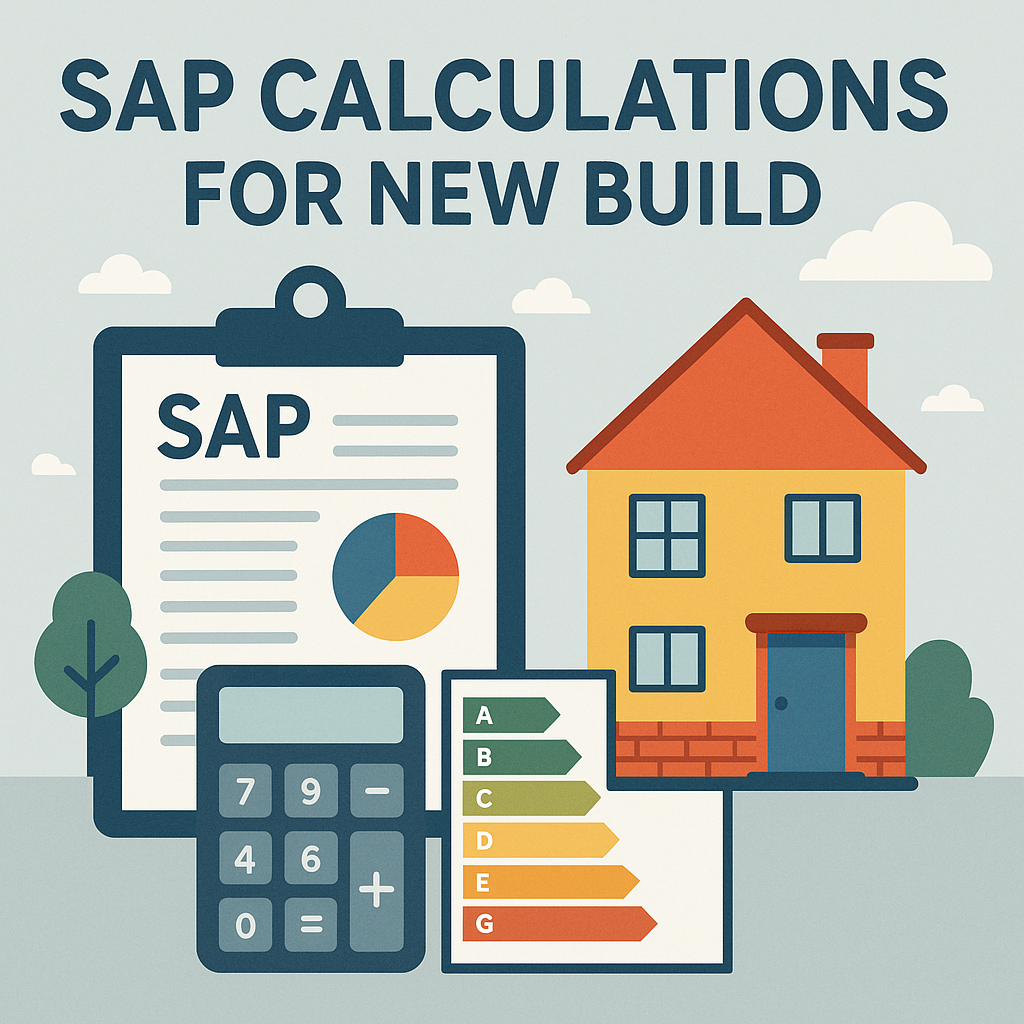
When planning a new build or major renovation project, meeting energy efficiency standards is a top priority. In the UK, one of the most important requirements is ensuring that your property complies with SAP calculations. These assessments are not just a box-ticking exercise; they play a vital role in shaping sustainable homes, reducing carbon footprints, and ensuring compliance with building regulations. Whether you’re a homeowner, architect, or property developer, understanding SAP calculations is essential for a smooth construction journey.
What Are SAP Calculations?
SAP stands for Standard Assessment Procedure, which is the government-approved system for measuring the energy performance of residential properties. The methodology was introduced to provide a standardised way of assessing the energy efficiency of new dwellings, ensuring they meet Building Regulations Part L (Conservation of Fuel and Power).
SAP calculations consider a range of factors, including:
-
Construction materials – the type of insulation, walls, windows, and doors.
-
Heating systems – boilers, heat pumps, or renewable energy technologies.
-
Ventilation – mechanical ventilation, air permeability, and natural ventilation.
-
Lighting and renewable technologies – energy-efficient lighting, solar panels, and other renewables.
The result of the assessment gives a score between 1 and 100+. The higher the SAP rating, the more energy-efficient the property. A score of 100 means the dwelling is net zero in energy use, and scores above 100 indicate the property produces more energy than it consumes.
Why Are SAP Calculations Important?
There are several reasons why SAP calculations are crucial for property developers and homeowners:
-
Legal Compliance – Every new build in the UK must have SAP calculations completed to comply with Part L of Building Regulations. Without them, you won’t be able to secure a Building Control completion certificate.
-
Energy Efficiency – SAP assessments highlight how well a property conserves energy and where improvements can be made. This helps in creating more sustainable homes and reducing running costs.
-
Property Value – Energy-efficient homes are more appealing to buyers and tenants. A good SAP rating can enhance a property’s market value.
-
Environmental Responsibility – By following SAP recommendations, developers contribute to reducing the overall carbon emissions of the UK housing sector.
-
Cost Savings – Energy-efficient homes save money on heating, cooling, and electricity bills, which is a long-term benefit for homeowners.
When Do You Need SAP Calculations?
You will typically need SAP calculations at several stages of the building process:
-
Design Stage SAP – Completed before construction begins, these assessments help ensure your design complies with energy efficiency standards. If changes are needed, they can be made early on to avoid costly redesigns later.
-
As-Built SAP – Conducted once construction is complete, this version checks that the finished property aligns with the original design assessment. Any deviations in materials or systems are accounted for to provide the final SAP rating.
Both stages are essential to gain approval from Building Control and to secure an Energy Performance Certificate (EPC), which is legally required before a property can be sold or rented.
Common Challenges in SAP Calculations
Many developers face hurdles when trying to achieve a compliant SAP rating. Common issues include:
-
Poor insulation or incorrect installation of thermal materials.
-
High air permeability, meaning too much uncontrolled air leakage.
-
Inefficient heating or hot water systems.
-
Lack of renewable energy integration.
-
Overlooking energy-efficient lighting and appliances.
The good news is that these challenges can often be overcome with expert advice and early planning.
How to Prepare for SAP Calculations
If you are about to start a new build project, here are some steps to ensure a smoother SAP assessment:
-
Engage Early with Assessors – Involve SAP specialists during the design stage to identify potential compliance issues before building begins.
-
Choose High-Performance Materials – Prioritise insulation, double or triple glazing, and airtight building fabrics.
-
Consider Renewable Energy – Solar PV, heat pumps, and modern ventilation systems can greatly improve your SAP score.
-
Work Closely with Your Architect – Make sure design decisions support energy efficiency goals from the start.
-
Stay Flexible – Be ready to adjust specifications if your initial SAP rating falls short of compliance.
The Role of Professional Support
While it may be tempting to treat SAP calculations as just another piece of paperwork, their complexity means professional guidance is essential. Accredited SAP assessors use advanced software to model your property’s energy performance, ensuring every detail is captured accurately.
Working with experienced consultants can save you time, money, and stress. They not only help you achieve compliance but also provide practical recommendations for improving your building’s efficiency.
Why Choose Coventry Property Certification?
At Coventry Property Certification, we specialise in delivering reliable and accurate SAP calculations for homeowners, architects, and developers across the UK. Our team understands the importance of compliance and sustainability, and we work closely with clients from the design stage to completion. With years of expertise in building regulations, we ensure your project meets the necessary energy efficiency standards while keeping costs under control.
Whether you’re building a single dwelling or managing a large housing development, our tailored approach ensures you receive clear guidance, professional reports, and ongoing support throughout the process.
Final Thoughts
SAP calculations are more than just a regulatory requirement; they are a cornerstone of modern, sustainable construction. By ensuring your property meets the required energy standards, you not only comply with the law but also create a comfortable, efficient, and environmentally responsible home.
For homeowners and developers, understanding SAP calculations early in the project lifecycle can prevent delays, reduce costs, and enhance long-term property value. With expert support from trusted providers like Coventry Property Certification, achieving compliance becomes a straightforward and stress-free process.
 French
 English
 Arabic
 Spanish
 Portuguese
 Deutsch
 Turkish
 Dutch
Dutch
 Italiano
 Russian
 Romaian
 Portuguese (Brazil)
 Greek
Greek
