


 Pro Benefits
 Environ
 Conditions générale de vente
 Confidentialité
 Notifications
Scent, Steam, and Satisfaction: The Multisensory Branding of Your Burger Box
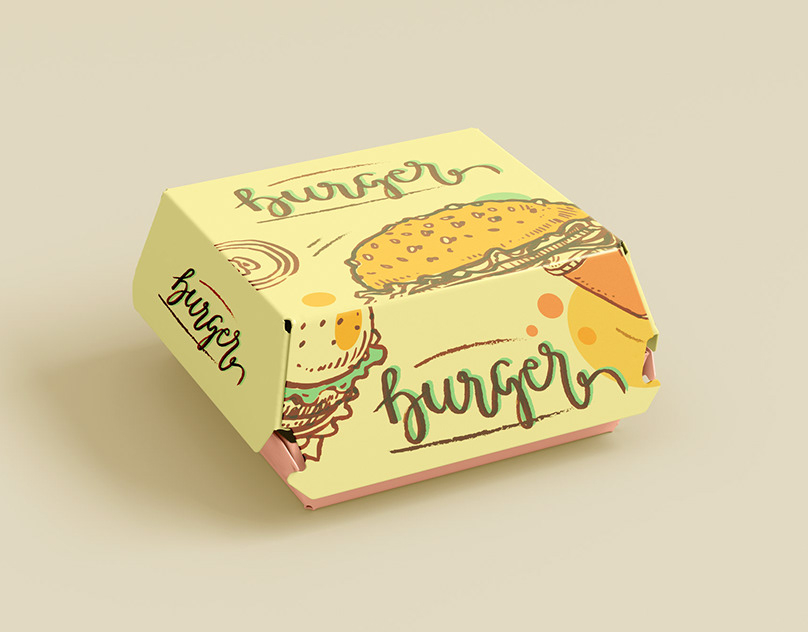
The way a burger is presented can shape the entire dining experience. From the aroma to the packaging, every sense contributes to how customers feel about a meal. Restaurants are now exploring multisensory branding to make even takeout orders memorable.
The Power of Aroma in Food Perception
Aroma is one of the strongest triggers of memory and emotion. When a customer smells a freshly grilled burger, it can instantly create anticipation and satisfaction. This sensory cue works beyond the restaurant space and influences the perception of takeout meals. When a burger box preserves the natural scent, it enhances the eating experience.
Even the materials used in packaging play a role in scent retention. Boxes made with food-safe coatings can trap steam while allowing some aroma to escape. This controlled release gives a sense of freshness when the box is opened. Furthermore, scents affect appetite and taste perception. Studies show that people perceive food as tastier when it smells appealing. Therefore, aroma management in packaging is a subtle yet powerful marketing tool.
Restaurants increasingly focus on scent as a brand differentiator. By pairing specific flavors with unique aromas, customers begin associating the smell with a brand. For example, a smoky barbecue aroma can evoke feelings of indulgence and comfort. Over time, repeated exposure creates familiarity and loyalty. Aroma is no longer just part of the food; it becomes a critical element of branding strategy.
Ultimately, attention to aroma can elevate simple takeout meals. A burger box that preserves fragrance can transform an ordinary meal into a memorable experience. Customers not only enjoy the taste but also connect emotionally with the brand through smell. Aroma is the invisible brand ambassador that communicates quality, freshness, and care.
Visual Appeal and Packaging Design
Visual appeal influences expectations even before the first bite. People often eat with their eyes first, and attractive packaging reinforces this instinct. Bright colors, clean graphics, and clever branding can make a burger box feel special. It signals that the brand cares about presentation and customer satisfaction.
Packaging design also communicates the brand story. Minimalist designs suggest sophistication, while bold and colorful boxes may convey fun and energy. Consistency in visual identity builds recognition and trust. Customers are more likely to remember a brand that uses striking packaging. Additionally, visual cues can create a sense of quality. Patterns, logos, and textures contribute to perceived value. A well-designed box makes the meal feel premium even if it is casual food.
Moreover, the unboxing experience matters. Opening a neatly folded box or one with a visible logo can enhance anticipation. Subtle design elements like compartments for sauces or paper wraps inside the box make the experience enjoyable. Restaurants that invest in packaging design show attention to detail. This effort improves customer satisfaction and encourages repeat purchases.
Visual branding also extends to social sharing. Many customers post photos of visually appealing takeout meals on social media. Attractive packaging can turn ordinary burgers into shareable content, expanding brand visibility without extra advertising costs.
Temperature and Steam Management
Maintaining food temperature is vital for taste and quality. A burger that arrives cold or soggy disappoints the customer. Packaging that traps steam properly keeps the meal warm while preventing moisture from making buns soggy. Steam management ensures the burger retains its texture and flavor.
Materials and design play a crucial role in controlling heat and humidity. Boxes with vents allow some steam to escape while keeping the interior warm. Insulated packaging can further extend temperature retention. This approach ensures that the burger tastes as intended, even after transport. Customers notice these details and associate them with professionalism and care.
Temperature control also impacts perception of freshness. Warm food feels freshly made, while cold food may seem reheated or old. Restaurants that prioritize heat retention communicate quality without words. The customer’s experience is enhanced by packaging that keeps the burger enjoyable from the first bite to the last.
In addition, steam can enhance aroma. Properly managed heat releases enticing scents at the right moment, such as when opening the box. This creates a multisensory experience where smell and taste are perfectly aligned. Steam and temperature management are subtle yet powerful tools that improve both the product and brand perception.
Tactile Experience and Box Materials
Touch is an often-overlooked sense in food branding. The feel of a burger box can affect customer perception of quality. Sturdy, textured, and smooth materials convey strength and attention to detail. Lightweight or flimsy packaging, on the other hand, may make the meal seem cheap.
Customers interact with packaging in multiple ways. They hold, open, and sometimes reuse boxes. Comfort and usability improve satisfaction. Corrugated or paper-based boxes offer a natural and eco-friendly feel. These tactile cues reinforce the idea that the brand cares about quality and sustainability.
Material choice also contributes to branding. For example, matte finishes can appear premium, while glossy finishes suggest modernity and fun. Biodegradable or recyclable materials appeal to eco-conscious customers. This not only satisfies environmental values but also enhances brand image.
Furthermore, the tactile experience extends to internal features. Paper liners, compartments, or folding mechanisms affect the overall handling. Well-thought-out tactile experiences encourage repeat purchases and strengthen customer loyalty. Brands that ignore touch lose a vital connection point with their audience.
Color Psychology in Packaging
Colors influence emotions and purchasing behavior. For burger packaging, warm colors like red, orange, and yellow stimulate appetite. Cool colors such as green or blue may convey freshness or healthiness. Strategic use of color in packaging design can subtly affect customer satisfaction and perception.
Color consistency across all branding materials enhances recognition. A brand that consistently uses a specific color palette builds trust and familiarity. Additionally, color can indicate flavor or style, such as red for spicy or green for veggie options. This guides customer expectations even before tasting the food.
Color also plays a role in social media appeal. Bright, vibrant packaging attracts attention and encourages sharing. On the other hand, neutral or earthy tones suggest organic or premium qualities. Designers carefully balance these aspects to create an emotional and functional impact.
Psychologically, color helps create associations between the food and the brand. Over time, customers may connect a certain shade with the quality of the meal. Effective use of color can turn packaging into a silent but persuasive marketing tool.
Branding Through Graphics and Messaging
Graphics and messaging on packaging reinforce brand identity. Logos, patterns, and slogans all communicate a story to the customer. Clear and consistent messaging creates trust and enhances perceived value.
Graphics are not only decorative but functional. They can guide customers on how to open or handle the box. Messaging can also highlight brand values such as sustainability, freshness, or fun. Short, clear text works best to communicate these points quickly.
A memorable design builds recognition. Even without seeing the logo, customers may identify the brand through colors, patterns, or style. Graphic design in packaging bridges marketing, functionality, and user experience.
Furthermore, combining graphics with other sensory cues like smell and touch enhances the multisensory effect. This approach ensures the burger box is not just a container but a marketing tool that communicates quality, personality, and brand promise.
Sustainability and Customer Perception
Sustainable packaging influences customer perception and loyalty. Eco-friendly materials signal responsibility and care for the environment. Consumers increasingly prefer brands that align with their values.
Restaurants using recyclable or compostable boxes benefit from positive brand associations. Customers feel good about their purchase and are more likely to recommend the brand. Sustainability can be combined with visual and tactile appeal for a stronger effect.
Sustainable design does not mean compromising quality. Many biodegradable boxes are sturdy, attractive, and functional. By carefully selecting materials, brands can maintain food quality while promoting environmental responsibility.
Sustainability also communicates long-term thinking. Customers perceive the brand as forward-looking and ethical. This creates trust and deeper emotional connections, enhancing satisfaction beyond just taste.
Interactive Elements and Personalization
Adding interactive elements to packaging increases engagement. QR codes, custom messages, or social media prompts encourage interaction. Personalization, such as including the customer’s name or a thank-you note, strengthens emotional connections.
Interactive packaging can provide additional information about the meal or brand. It creates a memorable experience that goes beyond eating. Customers feel valued, and the brand gains an opportunity to showcase its personality.
Personalization also boosts loyalty. People remember brands that make them feel special. Simple gestures, like including a sticker or a fun fact on the box, enhance enjoyment and create shareable moments.
By combining tactile, visual, and interactive elements, brands transform a standard burger box into a multisensory experience. Customers experience more than taste—they engage with aroma, touch, visuals, and even messaging. This creates stronger emotional bonds and repeat business.
Conclusion: The Complete Multisensory Experience
Every aspect of a burger box contributes to the overall dining experience. Aroma, temperature, touch, color, graphics, and sustainability combine to create a multisensory journey. When done right, packaging becomes a critical part of branding and customer satisfaction.
A single burger box can communicate quality, freshness, and care through every sensory channel. Restaurants that invest in multisensory packaging see benefits in loyalty, social sharing, and brand perception. Incorporating even one feature, such as Printed Burger Boxes, can elevate takeout meals and leave lasting impressions.
Focusing on these sensory details ensures that customers enjoy the meal fully, feel valued, and remember the brand. Multisensory branding turns a simple meal into an experience that delights the senses and strengthens brand identity.
Visit Our Website: https://ibexpackaging.com/burger-boxes/

 English
 Arabic
 Spanish
 Portuguese
 Deutsch
 Turkish
 Dutch
Dutch
 Italiano
 Russian
 Romaian
 Portuguese (Brazil)
 Greek
Greek
