


 Pro Benefits
 About
About
 Términos
 Privacidad
 Child Safety & Protection
 Notificaciones
 Ayrush Global It Services Pvt Ltd
How Skin Stapler Manufacturers Perform In-process Quality Checks
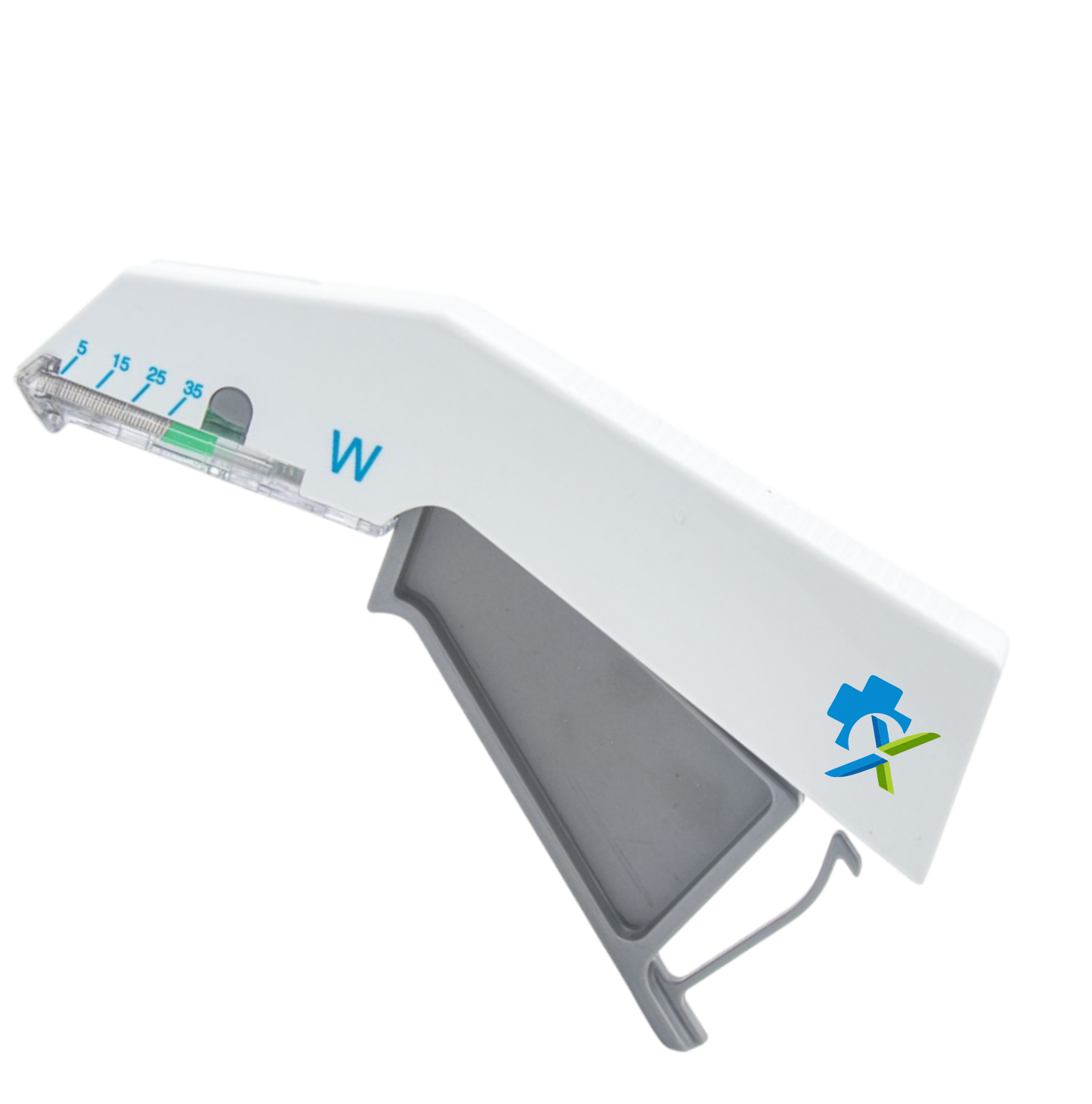
When it comes to surgical devices, accuracy, safety, and reliability are non-negotiable. Skin staplers are used in wound closure, trauma care, cosmetic surgery, and general surgical procedures. A single mechanical defect can compromise healing or result in tissue damage. That is why skin stapler manufacturers implement strict in-process quality checks at every stage of production.
This article explains how these checks work step-by-step and why they are crucial in delivering dependable medical devices.
1. Incoming Material Inspection: Ensuring the Base Is Error-Free
Before skin stapler production begins, manufacturers inspect raw materials such as:
-
Medical-grade stainless steel for staples
-
Biocompatible polymers for housings and grips
-
Spring and firing mechanisms for internal actuation
Materials undergo dimensional accuracy checks using micrometers and gauges, corrosion-resistance testing, and biocompatibility validation to ensure no harmful reactions with skin tissue. Only certified suppliers and approved lots enter the production line.
2. Precision Assembly Monitoring: Preventing Micro-Defects
Unlike consumer products, a skin stapler cannot have inconsistent tolerances. Manufacturers use automated or semi-automated assembly systems to maintain precise dimensions.
During assembly, critical parts are measured for micro-gaps, spring tension and trigger force are tested, and the alignment of the staple cartridge is verified to avoid uneven stapling. Engineers monitor assembly in real time through cameras and digital gauges to detect abnormalities early and reduce production waste.
3. Staple Formation Check: Every Staple Must Form Correctly
One of the most important in-process tests is staple formation. A properly formed staple should create a B-shaped closure that minimizes tissue trauma, promotes uniform pressure, and assists in faster healing.
Manufacturers simulate stapling using artificial skin models, tissue analog materials, or precision alignment templates. If any device forms staples inconsistently, the batch is halted and re-calibrated.
4. Mechanical Performance Testing
Skin staplers have mechanical parts that must perform consistently. Manufacturers run stress and durability tests such as:
-
Trigger force test, which measures how much pressure a surgeon must apply
-
Firing consistency test, which confirms uniform ejection of staples
-
Cycle endurance test, which ensures the stapler does not jam or misfire over repeated use
Automated robotic arms often perform these tests to eliminate human error and increase accuracy.
5. Visual and Microscopic Inspection
Even after automated testing, human inspection plays a crucial role. Technicians inspect staple legs for burrs or sharp irregularities, the alignment of the staple magazine, and plastic molding defects such as bubbles or cracks. In critical models, microscopic inspection and digital imaging are used to detect issues not visible to the naked eye.
6. Sterilization and Seal Integrity Checks
Sterilization is another essential checkpoint. Skin stapler manufacturers typically use ethylene oxide sterilization or gamma radiation sterilization.
After sterilization, packaging undergoes seal integrity testing, humidity and temperature exposure checks, and accelerated aging simulations. These steps ensure the sterility remains intact until the device reaches hospitals or surgical units.
7. Final Operational Testing Before Dispatch
Before packaging, every skin stapler is tested for its actual usability. This includes trigger pull simulation, staple count verification, and smooth rotation checks for circular or advanced staplers. Devices are approved only when all internal and external criteria meet the manufacturer’s quality threshold.
Why In-process Quality Checks Matter
Skin staplers are instruments that directly impact patient recovery. In-process quality checks reduce surgical complications, prevent device malfunction in operating rooms, maintain international compliance such as ISO and CE standards, and build trust among surgeons, hospitals, and healthcare providers.
Manufacturers who treat quality as a continuous process, not just a final test, offer safer and more reliable medical tools.
Conclusion
Skin stapler manufacturers do not rely on a single quality test. They follow a continuous chain of inspections, from raw material evaluation to packaging verification. Each step minimizes risk, improves product uniformity, and ensures that the device performs reliably during surgical procedures. By prioritizing in-process quality checks, manufacturers protect patient safety and maintain clinical confidence in their devices.
 Spanish
 English
 Arabic
 French
 Portuguese
 Deutsch
 Turkish
 Dutch
Dutch
 Italiano
 Russian
 Romaian
 Portuguese (Brazil)
 Greek
Greek
