


 Pro Benefits
 About
About
 Terms
Terms
 Privacy
 Child Safety & Protection
 Notifications
 Ayrush Global It Services Pvt Ltd
HVAC System Installation vs. Troubleshooting: When You Need Each Service
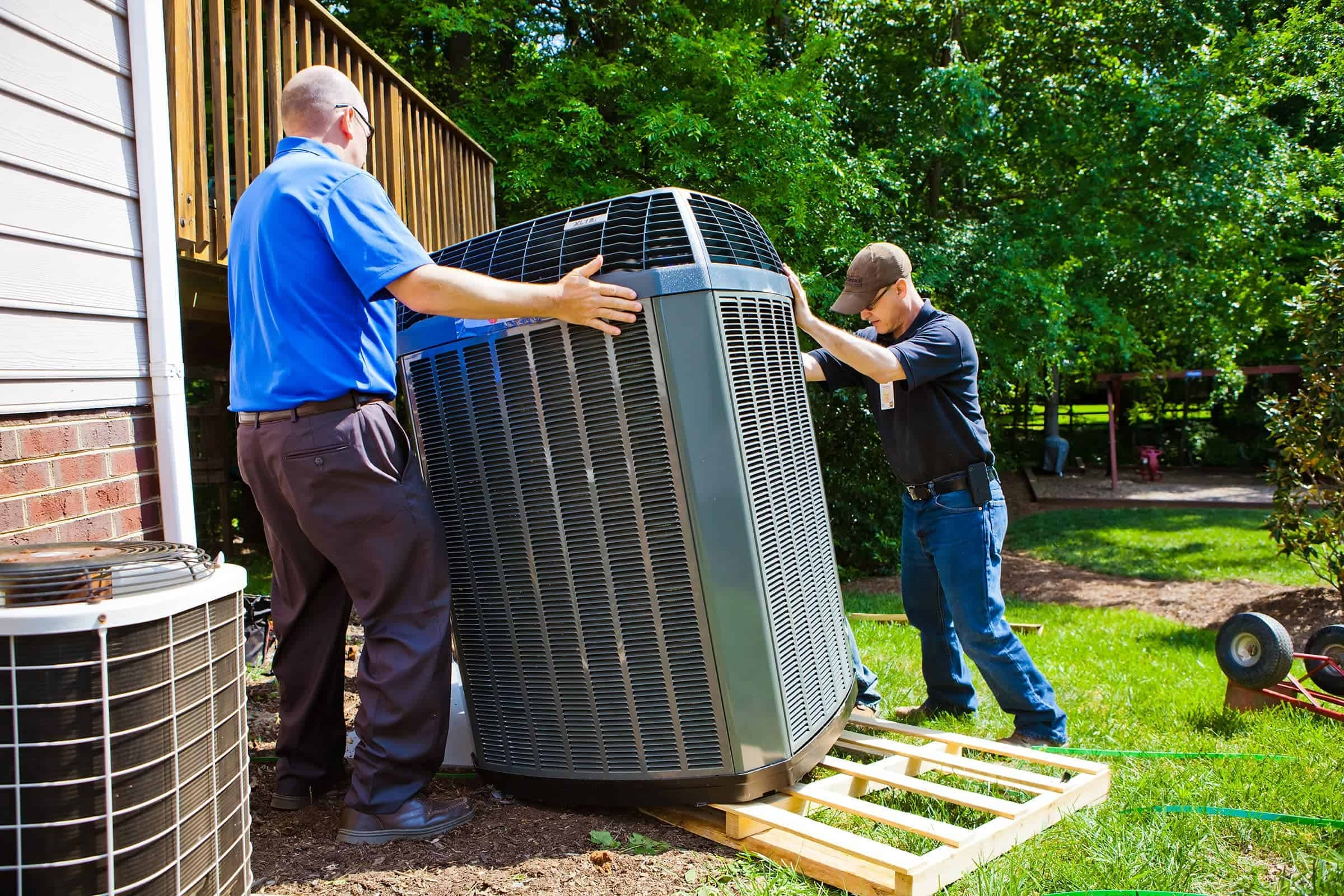
Your home's heating, ventilation, and air conditioning (HVAC) system is the silent guardian of your comfort. It works tirelessly in the background, and for the most part, we only notice it when something goes wrong. When your home's climate control falters, the immediate question is: "Can this be fixed, or do I need a whole new system?" Understanding the difference between needing a new HVAC system installation and requiring professional HVAC troubleshooting services is crucial. Making the right call can save you thousands of dollars, prevent unnecessary stress, and ensure your home remains a comfortable sanctuary.
This guide will help you navigate that decision, moving from recognizing the symptoms your system is showing to identifying the right solution and its long-term benefits.
Recognizing the Signs: Is It a Quick Fix or a Systemic Failure?
Before you can decide on a path forward, you need to diagnose the problem. Some issues are minor glitches, like a software bug on your phone. Others are signs of fundamental hardware failure, akin to a shattered screen that requires a full replacement. Your HVAC system communicates its health through specific symptoms.
When to Call for HVAC Troubleshooting Services
Troubleshooting is the process of diagnosing and repairing a specific problem within an otherwise functional system. Think of it like taking your car to a mechanic for a strange noise; the goal is to identify the faulty component and fix it, not replace the entire vehicle.
You should seek professional troubleshooting when you experience isolated or intermittent issues, such as:
Inconsistent Temperatures: One room is freezing while another is warm. This is often a zoning, thermostat, or ductwork balance issue, not necessarily a failing furnace or AC unit.
Strange Noises: A occasional rattling, squealing, or buzzing sound is typically a sign of a loose component, a failing blower motor bearing, or debris in the outdoor unit. These are usually repairable.
Reduced Airflow: If the air coming from your vents is weak, the culprit could be a clogged air filter, a failing blower motor, or a blockage in your ductwork. A technician can pinpoint and resolve this.
The System Won't Turn On: This can feel dire, but it's often a simple electrical issue. A tripped circuit breaker, a faulty thermostat, or a blown fuse could be the root cause—all items a technician can quickly check and repair.
Short Cycling: This is when your system turns on and off every few minutes. It's inefficient and stressful on the equipment, but it's frequently caused by a dirty sensor, an incorrectly sized unit, or an electrical problem that can be rectified.
In these scenarios, the core system—the compressor, heat exchanger, and primary components—is likely still sound. A skilled technician can isolate the problem, replace the faulty part, and restore your comfort without the need for a major investment.
The Red Flags That Point Toward a New HVAC System Installation
Sometimes, the problems you're experiencing are not isolated incidents. They are symptoms of a system that is reaching the end of its operational life. Continuing to pour money into repairs becomes a case of "throwing good money after bad."
Consider a new HVAC system installation if you notice a combination of the following:
Your System is Old: The average lifespan of a well-maintained HVAC system is 15 to 20 years. If your furnace or AC unit is within or beyond this range, its efficiency is severely degraded, and major components are living on borrowed time. A new system isn't just a fix; it's an upgrade.
Frequent and Costly Repairs: Are you on a first-name basis with your HVAC technician? If you're facing a major repair, like a failed compressor or a cracked heat exchanger, and your system is over ten years old, it's time to run the numbers. Replacing a $2,000 compressor on a 15-year-old system is often not a wise financial decision when a new, efficient system could be a better long-term value.
Skyrocketing Energy Bills: As HVAC systems age, their efficiency plummets. They have to work longer and harder to achieve the same result. If you've noticed a steady, unexplained climb in your heating or cooling bills, your system is likely consuming far more energy than a modern unit would. This is money literally flying out of your leaky ducts.
Uneven Comfort That Can't Be Solved: If you've had multiple technicians try to balance your ducts and troubleshoot your thermostat but some rooms remain stubbornly hot or cold, the issue may be with the fundamental design or size of your existing system. A new installation allows for a proper load calculation and correct sizing to finally solve your comfort woes.
Making the Decision: From Problem to Lasting Solution
Once you've identified the general category of your problem, the next step is to weigh the practical and financial implications of each path.
The Process and Benefits of Professional Troubleshooting
When you call for troubleshooting, a certified technician will arrive and perform a systematic diagnosis. They'll check electrical connections, test components, measure refrigerant levels, and assess the overall system performance. The goal is to find the root cause of your specific discomfort.
The Immediate Benefit: The primary advantage of troubleshooting is cost-effectiveness. For a few hundred dollars, you can often resolve an issue that restores full system function, avoiding a much larger expenditure. It’s a targeted solution that gives your existing system a new lease on life. You regain your comfort quickly and without a significant financial outlay.
The Emotional Payoff: There's a real sense of relief when a technician identifies a simple, fixable problem. The anxiety of a potential system replacement melts away. Your home is comfortable again, and your routine is restored.
The Process and Benefits of a New HVAC System Installation
Opting for a new installation is a larger project, but its benefits are transformative, not just restorative. The process involves a home assessment, system selection, professional removal of the old unit, and precise installation of the new one.
The Long-Term Financial Benefit: While the upfront cost is higher, a new system is an investment that pays for itself over time. Modern HVAC systems are dramatically more efficient than those from even ten years ago. You will see an immediate and substantial drop in your monthly utility bills. Furthermore, you are eliminating the "repair roulette" for the next 15+ years, replacing unpredictable costs with predictable, high-efficiency performance.
The Enhanced Comfort and Peace of Mind: A new system does more than just heat and cool. It provides consistent, even temperatures from room to room. It operates more quietly. Modern features like variable-speed motors and smart thermostat compatibility offer a level of control and comfort you never had with your old system. The peace of mind that comes with a new, reliable system under warranty is invaluable. You no longer have to dread the first hot day of summer or the first cold snap of winter.
Your Practical Action Plan
So, what should you do when faced with an HVAC problem?
-
Start with Troubleshooting: Unless your system is very old and showing multiple red flags, your first call should always be to a reputable company that offers comprehensive HVAC troubleshooting services. Be prepared to describe the symptoms in detail. A honest technician will perform a diagnosis and give you a repair quote.
-
Ask for a Cost-Benefit Analysis: If the repair is significant, ask the technician for their professional opinion on the remaining lifespan of your system. They should be able to provide guidance on whether the repair is a sound investment or if it's a warning sign of more problems to come.
-
Get a Second Opinion for Major Decisions: If a technician suggests a full replacement, it's perfectly reasonable to get a second quote. Another professional might confirm the need, or they might identify a repair option the first technician missed.
-
Consider the 5,000 Rule: A common industry rule of thumb is to multiply the age of your equipment by the repair cost. If the result is more than $5,000, replacing the system is often the better option. For example, a $600 repair on a 10-year-old system (10 x 600 = 6,000) suggests replacement is worth considering.
In the end, the choice between repair and replacement is a balance of logic and foresight. Troubleshooting addresses the immediate problem, giving you more time and saving money in the short term. A new HVAC system installation is an investment in your home's long-term efficiency, comfort, and value. By understanding the signs and asking the right questions, you can make a confident decision that ensures your home remains the comfortable haven it should be.

 Arabic
 French
 Spanish
 Portuguese
 Deutsch
 Turkish
 Dutch
Dutch
 Italiano
 Russian
 Romaian
 Portuguese (Brazil)
 Greek
Greek
