


 Σχετικά
 Όρους
Όρους
 Ιδιωτικότητα
How to Protect Reptiles During Shipping with a Quality Kit
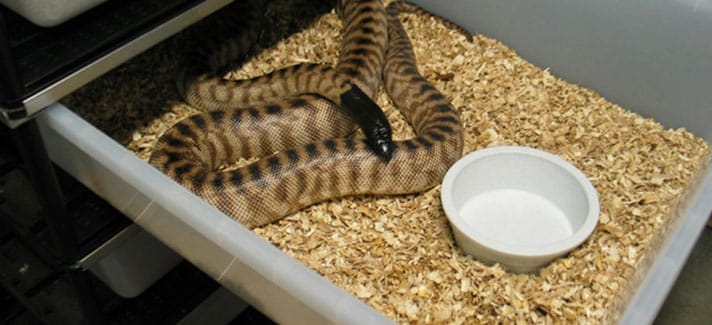
Shipping reptiles requires careful preparation to ensure their safety, health, and comfort during transit. Proper planning and the right equipment can prevent stress, injury, or exposure to extreme temperatures. Reptiles are sensitive to environmental changes, so shipping them without adequate precautions can lead to serious health issues. Using a reliable kit designed specifically for reptiles helps maintain a stable and safe environment throughout the journey.
Choosing the Right Packaging Materials
Selecting the proper materials for reptile shipping is critical. Boxes or containers should be sturdy enough to prevent crushing or deformation during transport. Insulating materials, such as foam or thermal wraps, help maintain consistent temperature levels. Ventilation is equally important, as it allows fresh air to circulate while avoiding drafts that could chill the reptiles.
Temperature control is a key consideration, especially for species that are highly sensitive to cold or heat. Using thermal packs, absorbent liners, and soft bedding ensures reptiles remain comfortable. Lightweight and durable packaging also makes handling and stacking easier for shippers while keeping the animals secure.
Ensuring Safe and Stress-Free Reptile Transport
A well-organized kit provides all the essential tools in one package. These kits typically include temperature packs, containers, insulation layers, and instructions for safe packing. They streamline the preparation process and reduce the risk of human error.
Beyond convenience, using shipping kits ensures that each reptile receives the proper environment for its size and species. Instructions in quality kits guide handlers on how to layer insulation, position cold or heat packs, and avoid overcrowding. This minimizes stress and increases the chances of a safe delivery.
Preparing Reptiles for Transit
Before shipping, reptiles should be fed and hydrated according to their species’ needs. Avoid feeding too close to departure to prevent digestive issues during transit. Handling should be minimal to reduce stress and ensure the animal is calm.
Monitoring the reptile’s condition before packing is also important. Sick or injured reptiles should not be shipped until fully recovered. Selecting the correct size container allows the reptile to move comfortably but not excessively, reducing the risk of injury during jostling or bumps along the shipping route.
Temperature Management During Shipping
Temperature fluctuations are a major concern for reptiles in transit. Cold packs, heat packs, or insulating wraps can help maintain an appropriate temperature range. Checking weather conditions and selecting transit times with stable temperatures is also beneficial.
Reptiles thrive in stable, controlled environments. Any sudden exposure to extreme heat or cold can be harmful or even fatal. Layering insulation correctly and positioning thermal packs properly ensures even heat distribution throughout the container.
Ensuring Comfort and Security
Proper bedding and padding are essential for reducing movement inside the shipping container. Soft materials prevent abrasions and injuries. Secure closures, such as tape or locking tabs, keep the container tightly sealed while allowing some ventilation.
Using dividers for multiple reptiles prevents overcrowding and reduces stress. Each reptile receives its own space, lowering the chance of aggression or accidental injury. Comfort and security go hand-in-hand with temperature control to create a safe transit environment.
Choosing the Optimal Reptile Shipping Solution
When choosing a kit, consider the type and size of the reptile. The best reptile shipping kit will include durable containers, thermal packs, ventilation systems, and clear instructions. Kits should be easy to assemble and adaptable for different species.
High-quality kits reduce the risk of mishaps and increase confidence for both shippers and recipients. Investing in a reliable kit ensures that reptiles arrive safely, healthy, and minimally stressed, even over long distances or international shipping routes.
Handling and Tracking Shipments
During transit, it is important to select a reliable courier experienced in handling live animals. Tracking systems allow shippers to monitor the package’s progress and ensure timely delivery. Proper labeling, including “Live Animal” warnings, guides carriers to handle packages with care.
Communication with the recipient is also essential. Providing estimated arrival times and any special handling instructions ensures the reptiles are received promptly and safely. Proper handling and monitoring throughout the journey greatly reduce risks.
Protecting Reptiles for Long-Distance Shipping
For longer shipments, additional precautions are necessary. Rechecking thermal packs, ensuring ventilation, and securing containers against movement all help maintain optimal conditions. Reptiles should never be left unattended in extreme weather or for prolonged periods without proper care.
Choosing shipping windows when temperatures are moderate and avoiding weekends or holidays reduces delays. Long-distance shipping requires careful planning and high-quality materials to keep reptiles healthy and comfortable throughout the journey.
Stress Reduction Techniques
Minimizing stress is crucial for the health of reptiles during shipping. Gentle handling, proper padding, and limiting noise or vibrations contribute to a calm environment. Avoid opening the container unnecessarily, as exposure to sudden light or temperature changes can cause panic.
Using a consistent method for packing and handling, based on experience or proper instructions, reduces uncertainty and promotes safe transport. Stress management is an often-overlooked aspect of reptile shipping that can make a significant difference.
Conclusion
Proper preparation and careful handling are key to successfully shipping reptiles. Investing in high-quality Redline Shipping equipment and following best practices ensures animals arrive healthy and comfortable. Quality kits, temperature control, secure packaging, and attentive handling all work together to protect reptiles throughout their journey. By planning ahead and using reliable materials, reptile owners and businesses can achieve safe, stress-free shipping every time.

 English
 Arabic
 French
 Spanish
 Portuguese
 Deutsch
 Turkish
 Dutch
Dutch
 Italiano
 Russian
 Romaian
 Portuguese (Brazil)
