


 Pro Benefits

 الشروط
 الخصوصية
 Child Safety & Protection
 الإشعارات
 Ayrush Global It Services Pvt Ltd
Can Gold Buyers Purchase Broken or Old Jewellery? Full Guide
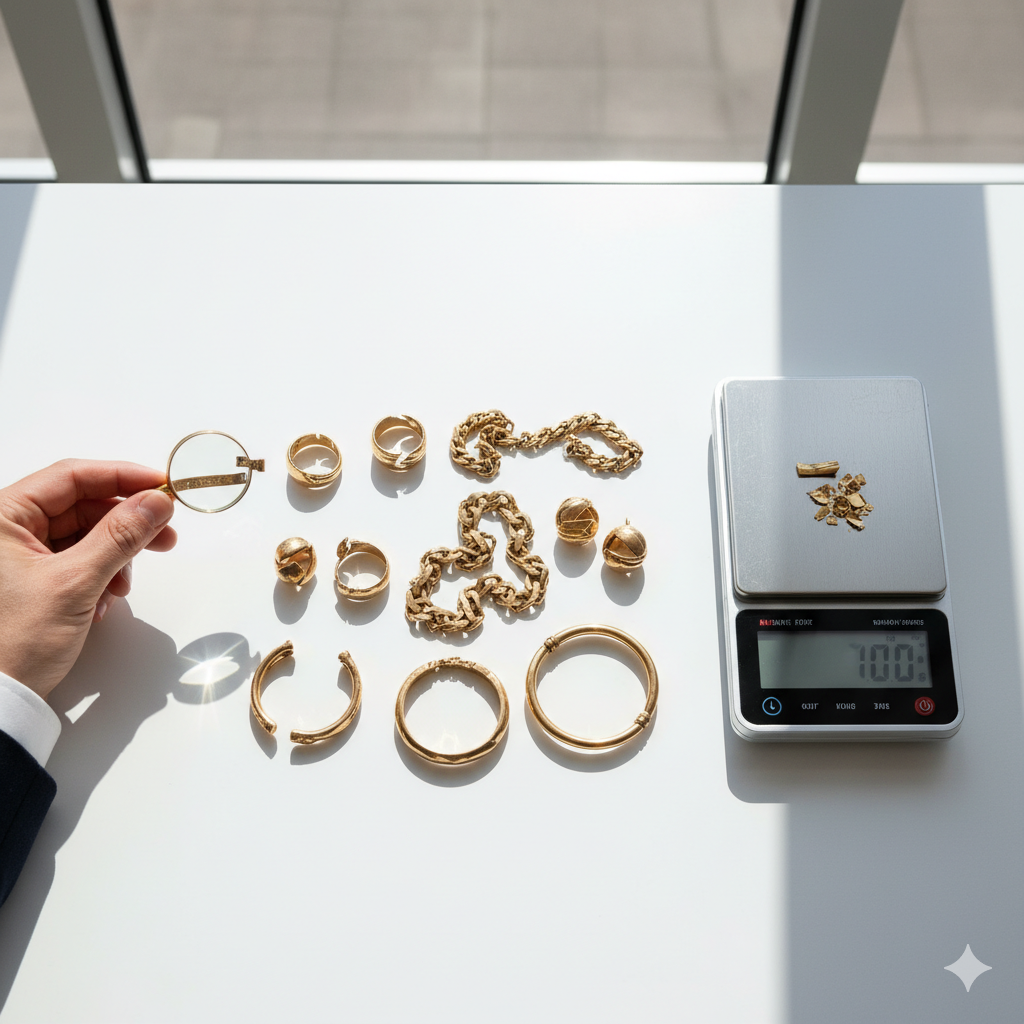
Selling gold can feel confusing, especially if your jewellery is old, damaged, or even broken. Many people wonder if a Gold Buyer will actually accept pieces that look worn out. The answer is yes—most gold buyers do buy broken or old jewellery because the real value lies in the gold itself, not the appearance. In this full guide, you will learn how the process works, how gold is tested, the myths around damaged jewellery, and smart tips to get the best value.
Introduction
Imagine opening a small box at home and finding dusty old rings, a broken necklace, or a chain that snapped years ago. During tough times, many people turn these forgotten items into quick cash. One woman did exactly that—she took two broken rings to a local buyer and walked out with money she really needed that same day.
This brings up a simple question: Do gold buyers really purchase jewellery that is old, damaged, or broken? Yes, they do. The value mainly depends on the purity, weight, and current market price of gold—not the looks of the item.
In this guide, you will learn which items qualify for sale, how the evaluation works, the steps in the selling process, and smart tips that help you make the right choice. According to global market reports, the gold industry reached $200 billion in 2024, and recycled jewellery made up 25% of the total supply, showing how common it is for people to sell old gold.
What Makes Jewellery Eligible for Sale
Types of Broken Jewellery Buyers Accept
Most buyers focus on gold content, so the physical condition usually does not matter. Here are some pieces that gold buyers regularly accept:
-
Bent or twisted chains
-
Cracked rings or settings
-
Bracelets with loose or missing stones
-
Earrings without a pair
-
Snapped necklace clasps
-
Gold items that cannot be repaired
Real example: A family once found a tangled 18K gold necklace in their grandmother’s drawer. It had been snapped for years and was impossible to fix. Still, they sold it and received $500, simply based on its gold weight.
Quick tip: You can weigh your jewellery at home using a kitchen scale to get a rough idea, but remember that shops use professional, more accurate scales.
Defining Old Jewellery
Old jewellery does not need to be antique. In the gold industry, “old” often means items that are more than 20 years old. These may include:
-
Vintage wedding rings
-
Faded bracelets
-
Old bangles
-
Family heirloom lockets
-
Pieces that show heavy wear
Expert jeweller Maria Lopez, who has 15 years of experience, says, “Age adds charm, but karat matters most.”
Signs your jewellery is old:
-
Tarnish or wear from daily use
-
Faded hallmarks, but still readable
-
Styles that were popular decades ago
-
Items passed down generations
Common Myths About Condition
There are many myths about selling gold jewellery, especially broken pieces.
Myth 1: Only shiny jewellery sells.
Truth: Buyers melt gold, so condition does not matter.
Myth 2: Broken items have no value.
Truth: Even badly damaged gold is worth its melt value.
Myth 3: Missing stones make gold worthless.
Truth: Most buyers only focus on the gold metal.
A case study from 2023 showed that one UK gold shop purchased 50kg of damaged gold from estate sales. After melting it down, the bars were worth millions.
How Gold Buyers Evaluate Your Pieces
Testing for Purity and Weight
Gold buyers mainly evaluate:
-
Purity (karat)
-
Weight
-
Market price of gold
They use tools like acid tests, digital testers, and XRF machines to check purity. Whether it is 10K, 18K, or 24K, all have value. In 2025, pure 24K gold sells for around $2,500 per ounce, making even small pieces valuable.
Tip: Clean your items gently with mild soap and water before selling. Avoid harsh chemicals—they can damage the jewellery and may affect the testing.
Factors That Boost or Reduce Value
Several things can raise or lower the amount you receive:
Factors that increase value:
-
Higher karat (18K–24K)
-
Heavier weight
-
Gemstones that can be removed
-
Branded jewellery with certificates
Factors that reduce value:
-
Lower karat (10K–14K)
-
Non-gold parts mixed with the metal
-
Gemstones that are not valuable
-
Hollow jewellery
Example: A customer once brought in a pair of broken 14K gold earrings. At first, they were valued at $150. But testing showed they had a silver mix, reducing the value to $100.
Appraiser Tom Hale reminds sellers: “Market prices change daily—check the spot rate before selling.”
Tools and Tech Buyers Use
Modern buyers use:
-
Digital scales for exact weight
-
Magnifiers for hallmark checks
-
XRF machines for non-destructive testing
-
Acid testing kits for authenticity
Steps buyers follow:
-
Visual inspection for damage
-
Purity testing
-
Weighing the piece
-
Explaining the price breakdown
-
Offering payment
Many experts note that payouts can be processed within minutes, depending on the shop.
The Selling Process Step by Step
Finding a Reputable Buyer
Choosing the right buyer is the most important part. Look for:
-
Licensed gold shops
-
Reputable jewellery stores
-
Online gold-buying platforms
-
Buyers with strong customer reviews
Avoid temporary pop-up shops or places with no transparency.
A real example: Sarah from Texas sold her old gold in 2024. After comparing buyers, she went to a chain jewellery store and received 20% more than a local pawnshop.
Action steps:
-
Search “gold buyers near me” with BBB ratings
-
Compare at least three quotes
-
Visit during business hours
-
Check if they test in front of you
What to Expect During the Transaction
Most buyers follow a simple process:
-
You show your ID
-
They test the jewellery
-
They weigh it
-
They calculate the price based on purity and market rate
-
You get cash, bank transfer, or a cheque
During economic slowdowns, gold sales rise. In 2023, buyers in India processed 30% more old gold, according to industry reports.
Gold expert Raj Patel says, “Honest scales build trust—always watch your weigh-in.”
Post-Sale Considerations
After selling:
-
Always take a receipt—it helps for tax records.
-
Know that recycled gold reduces environmental impact.
-
Track gold prices for future sales using trusted apps like Kitco.
Takeaway: Selling gold once can help you understand the process and build confidence for next time.
Pros, Cons, and Smart Tips for Sellers
Benefits of Selling Broken or Old Gold
-
You get fast cash without repairing jewellery
-
Helps clear out old unwanted items
-
Supports eco-friendly gold recycling
-
No need to fix or polish pieces
According to 2025 estimates, US households hold more than $1.5 trillion in unused gold.
One couple even cleared part of their debt by selling mismatched, broken wedding bands.
Potential Drawbacks to Watch
-
Lower offers when gold prices dip
-
Risk of scams
-
Shops that refuse to test in front of you
Red flags to avoid:
-
No testing shown
-
Pressure to sell immediately
-
Quotes far below melt value
-
No license or business address
Actionable Tips for Maximum Value
To get the best deal:
-
Sell when gold prices peak, especially after holidays
-
Compare multiple buyers
-
Know your karat before visiting
-
Negotiate politely—many buyers expect it
Gold trader Lisa Chen suggests, “Bundle items for better deals.”
More useful tips:
-
Keep all certificates if available
-
Clean the jewellery lightly
-
Ask for price breakdowns
-
Consider selling to charities if you prefer donating part of the value
Conclusion
Gold buyers definitely purchase broken, old, damaged, or vintage jewellery. Their main interest lies in the gold purity, weight, and market price, not the condition of the piece. This means your snapped chains, cracked rings, or faded bracelets still hold real value.
Start small—test one or two items first to build confidence. Then gather your pieces, compare quotes, and choose the best buyer.
Many people have turned forgotten gold into new opportunities or fresh financial starts. You can do it too. Your old jewellery might be worth more than you think.

 English
 French
 Spanish
 Portuguese
 Deutsch
 Turkish
 Dutch
Dutch
 Italiano
 Russian
 Romaian
 Portuguese (Brazil)
 Greek
Greek
