


 Pro Benefits
 About
About
 Termini e Condizioni
 Privacy
 Child Safety & Protection
 Notifiche
 Ayrush Global It Services Pvt Ltd
How to Remove Mold from Clothes Quickly and Effectively
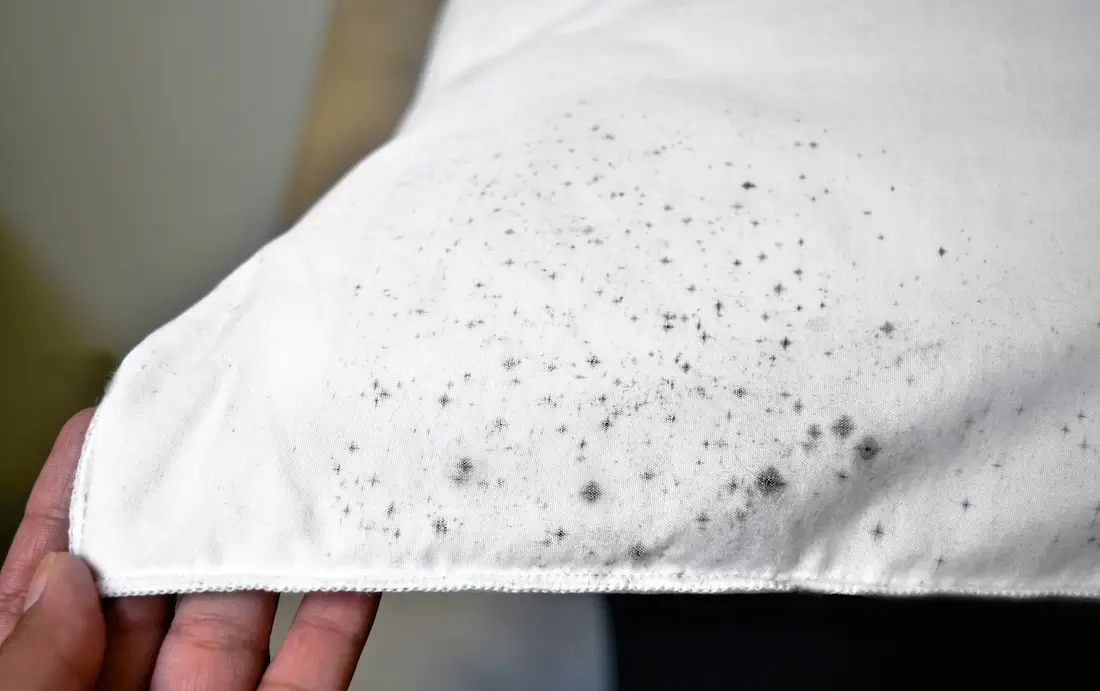
Discovering mold on your clothes can be both frustrating and alarming. Whether it’s from storing damp laundry too long in the washing machine, leaving garments in a humid closet, or dealing with moisture in the laundry room, mold can quickly take hold of fabrics and cause unpleasant odors, stains, and even health risks.
If you’re wondering how to remove mold from clothes quickly and safely, you’re not alone. Mold spores can spread easily, affecting not only your wardrobe but also other household items such as upholstery, mattresses, rugs, and carpets.
In this guide, we’ll explain step-by-step methods to get rid of mold on different fabrics, the best natural and chemical cleaners to use, and how to prevent it from coming back. Let’s make sure your clothes stay fresh, clean, and mold-free.
Understanding Why Mold Grows on Clothes
Mold thrives in warm, damp, and poorly ventilated environments. When moisture lingers on fabric, whether from sweat, rain, or humidity, it creates the perfect breeding ground for mold spores.
Common Causes of Mold on Clothes
-
Leaving wet clothes in the washing machine overnight
-
Storing damp laundry in the closet
-
High humidity in the laundry room
-
Flooding or water leaks near where clothes are stored
-
Using low-heat settings in the dryer, leaving fabrics partially damp
Mold doesn’t just leave an odor, it can also cause skin irritation and allergic reactions. That’s why mold removal is essential, especially for delicate fabrics like cotton and linen, which can hold moisture longer than synthetic materials.
Identifying Mold on Clothes
Before you begin cleaning, check for signs of mold growth. It often appears as small black, green, or white spots with a musty odor.
Mold can affect all kinds of fabrics, from everyday t-shirts to stored winter coats. Even rugs, carpet, and upholstery can harbor spores that spread to clothing if the humidity level in your home is too high.
If the mold is visible and the fabric is washable, follow the cleaning steps below. For valuable or delicate items, professional cleaning may be the best option.
How to Remove Mold from Clothes: Step-by-Step
Step 1: Take Safety Precautions
Mold spores can become airborne during cleaning, so wear gloves and a mask to protect yourself. Always clean in a well-ventilated area, preferably outdoors or near an open window.
Step 2: Brush Off Loose Mold
Take the affected clothing outside and gently brush off any surface mold. This prevents spores from spreading inside your home. Avoid shaking the fabric, as this can release spores into the air.
Step 3: Pre-Treat the Mold Stains
Before washing, pre-treat the moldy area with one of the following natural or chemical solutions. Choose the one that best suits your fabric type.
White Vinegar
Mix one part white vinegar with one part water to create a vinegar solution. Spray it directly onto the moldy area and let it sit for 30 minutes. Vinegar kills most mold species and helps neutralize odors.
Bleach
For white or colorfast fabrics, bleach is a powerful disinfectant. Mix one cup of bleach with a gallon of hot water, soak the clothing for 10–15 minutes, and then wash as usual. Never mix bleach with vinegar or ammonia, it produces toxic fumes.
Lemon Juice and Salt
For delicate fabrics like cotton and linen, combine lemon juice and salt into a paste. Apply it to the mold stain, let it sit in direct sunlight for 15–20 minutes, then rinse thoroughly. The natural acidity of lemon helps lift stains and kill mold.
Borax
Borax is a natural antifungal cleaner. Dissolve half a cup in a bucket of hot water, soak the clothes for an hour, and then wash them normally. It’s especially effective for persistent mold on thicker fabrics like jeans or towels.
Baking Soda
Add half a cup of baking soda to your washing cycle to remove odor and loosen mold residue. It’s gentle on fabrics and works well alongside vinegar or detergent for added cleaning power.
Step 4: Wash Clothes in Hot Water
Once you’ve pre-treated the stains, wash the clothes in hot water (check the care label first). Hot water kills mold spores more effectively than cold water. Add vinegar, borax, or baking soda to the washing cycle for additional cleaning power.
If possible, use your washing machine’s longest cycle for a thorough rinse. For severe cases, consider running two cycles, one with vinegar and one with detergent.
Step 5: Dry Clothes Completely
Mold thrives in moisture, so drying your clothes completely is essential. Use the dryer on high heat if the fabric allows. If line drying, hang the clothes in direct sunlight, which acts as a natural disinfectant.
Never leave damp laundry piled up, as even a few hours of trapped moisture can start new mold growth.
Removing Mold from Non-Clothing Fabrics
Sometimes, mold doesn’t stop at your clothes. Items like upholstery, mattresses, rugs, and carpets are also vulnerable to mold growth, especially after water leaks or high humidity.
Upholstery and Mattresses
-
Vacuum the affected area using a HEPA filter vacuum.
-
Apply a vinegar solution or lemon juice and salt mixture to visible mold spots.
-
Blot gently with a clean cloth, avoid saturating the fabric.
-
Allow the area to dry thoroughly using fans or sunlight.
Rugs and Carpets
-
Sprinkle baking soda on the moldy area to absorb moisture.
-
Mix white vinegar and hot water, lightly spray the affected section, and scrub with a soft brush.
-
Let it dry completely before vacuuming again. For large or heavily infested areas, professional cleaning or replacement is recommended.
Dealing with Mold in the Laundry Room or Closet
If your mold problem keeps returning, the issue might be environmental. Laundry rooms and closets often trap moisture and heat, two things mold loves.
Tips to Prevent Mold in These Areas
-
Keep humidity levels below 60% with a dehumidifier.
-
Clean the washing machine regularly by running a cycle with white vinegar and baking soda.
-
Keep the dryer vent clear to allow proper airflow.
-
Leave closet doors open occasionally to improve ventilation.
-
Store clothes only when they are completely dry.
By maintaining good ventilation and controlling humidity, you’ll drastically reduce the chance of mold returning.
Preventing Future Mold Growth on Clothes
Once your clothes are clean, prevention is key to keeping mold from coming back.
1. Wash and Dry Promptly: Don’t let wet laundry sit in the washing machine for too long. Move it to the dryer immediately after the cycle finishes.
2. Store Clothes in a Dry Place: Avoid overcrowding your closet, and ensure adequate airflow between garments. If your home is humid, use silica gel packets or dehumidifiers.
3. Clean the Washing Machine Regularly: Mold can grow inside the machine itself. Once a month, run an empty cycle with white vinegar and baking soda to sanitize the drum and hoses.
4. Inspect for Water Leaks: Check your laundry room for leaks, condensation, or standing water. Addressing these issues early prevents moisture buildup and future mold infestations.
You should also explore When Is Mold Remediation Required and What Signs to Watch For here.
When to Call for Professional Help
Knowing when to call for professional help is essential if mold persists after several washes. Persistent mold may have penetrated deep into the fabric or spread to nearby areas such as carpets, walls, or furniture. In these cases, professional cleaning is the safest and most effective option. Restoration experts like The Mold Guys use advanced cleaning techniques, safe disinfectants, and industrial drying equipment to eliminate mold at its source.
Their trained specialists can also inspect your home for hidden moisture problems that cause recurring mold issues. Professional help is highly recommended if mold covers a large area of fabric, if a musty odor lingers after cleaning, if you suspect leaks or poor ventilation in your laundry room or closet, or if family members experience allergies or respiratory discomfort.
Conclusion: Keep Your Clothes Mold-Free and Fresh
Knowing how to remove mold from clothes quickly and effectively can save your wardrobe and protect your health. By using natural solutions like white vinegar, lemon juice, baking soda, and borax, you can eliminate stains and odors safely at home.
However, if mold keeps returning or affects multiple fabrics like cotton, linen, rugs, or upholstery, it may be a sign of a larger moisture problem. That’s when professional mold remediation becomes essential.
For expert help restoring your home and keeping your fabrics mold-free, trust The Mold Guys, your local specialists in mold cleaning, remediation, and prevention.

 English
 Arabic
 French
 Spanish
 Portuguese
 Deutsch
 Turkish
 Dutch
Dutch
 Russian
 Romaian
 Portuguese (Brazil)
 Greek
Greek
