


 Pro Benefits

 الشروط
 الخصوصية
 Child Safety & Protection
 الإشعارات
 Ayrush Global It Services Pvt Ltd
Top Tips for Writing Effective Accident Investigation Reports
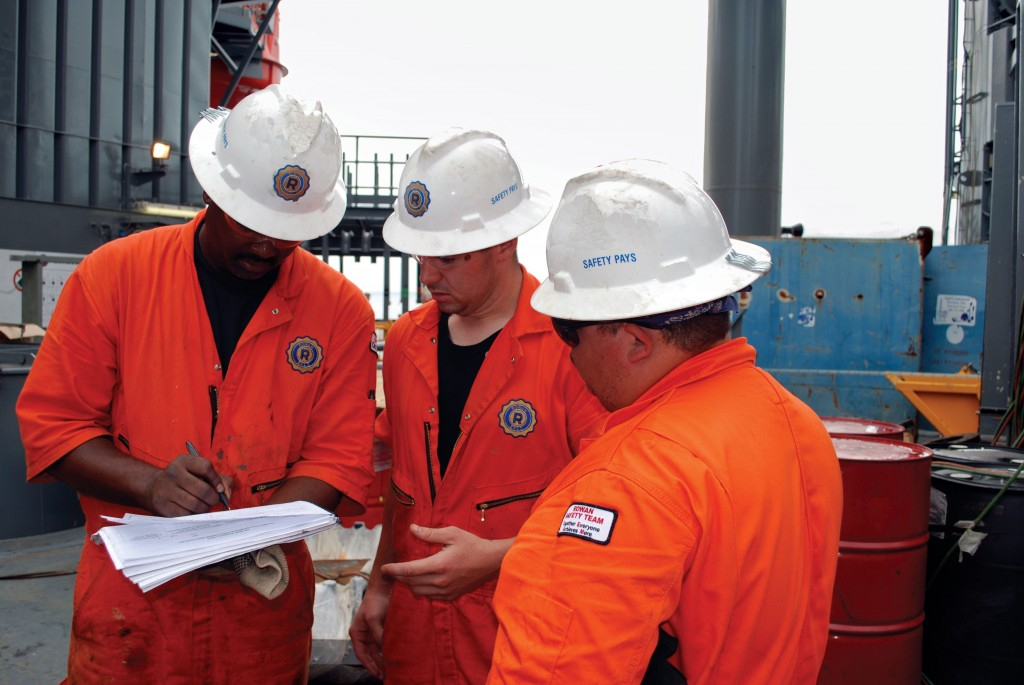
Accidents happen in every workplace, whether big or small. While preventing them is the ultimate goal, investigating them effectively is just as crucial. A well-crafted accident investigation report doesn’t just document an incident — it uncovers root causes, prevents future occurrences, and ensures workplace safety. For professionals or students pursuing an IOSH certificate in Multan, mastering these reports is a vital skill that combines analytical thinking with clear communication.
In this guide, we’ll explore practical tips, examples, and strategies to write accident investigation reports that are accurate, actionable, and easy to understand. Whether you’re a safety officer, a student, or a manager, these insights will help you elevate your reporting skills and make your workplace safer.
Why Accident Investigation Reports Matter
Accident reports are more than paperwork. They serve several critical purposes:
-
Identifying root causes: Understanding what led to an accident can prevent similar incidents.
-
Legal compliance: Proper documentation protects your organization against liability.
-
Improving safety culture: Transparent investigations build trust and promote safer practices.
-
Training and awareness: Reports provide real-life examples for employee safety training.
Imagine a factory where a worker slips on a wet floor. Without a detailed report, the incident might be dismissed as “just an accident.” With a well-written investigation, however, you might uncover that a leaking pipe caused the spill — prompting repairs and safety signage that prevent future accidents.
Key Components of an Accident Investigation Report
A structured approach ensures nothing is overlooked. Here’s what every report should include:
1. Basic Incident Information
Start with the essential facts:
-
Date, time, and location of the accident
-
Names of involved employees
-
Department or area affected
-
Description of the task being performed
Keeping this information clear and concise allows anyone reading the report to understand the context immediately.
2. Detailed Description of the Incident
Explain exactly what happened. Include:
-
Sequence of events
-
Equipment, materials, or environmental conditions involved
-
Witness observations
Use objective language. Avoid speculation or assigning blame at this stage.
3. Immediate Actions Taken
Document how the situation was handled:
-
First aid administered
-
Emergency services called
-
Equipment or area secured
This shows that the organization responded responsibly and provides insight into emergency preparedness.
4. Root Cause Analysis
Identify why the accident happened. Consider:
-
Human factors: training, fatigue, or error
-
Mechanical factors: faulty equipment or lack of maintenance
-
Environmental factors: lighting, weather, or layout issues
-
Procedural factors: missing safety protocols or unclear instructions
Tools like the “5 Whys” technique or fishbone diagrams can help trace underlying causes.
5. Recommendations and Preventive Measures
Your report should propose practical steps to avoid recurrence:
-
Maintenance schedules
-
Updated safety procedures
-
Additional training or awareness programs
-
Personal protective equipment (PPE) improvements
Recommendations are most effective when they are specific, measurable, and actionable.
6. Supporting Evidence
Attach relevant documentation:
-
Photographs of the scene
-
Witness statements
-
Equipment inspection records
-
Previous similar incident reports
Visual evidence strengthens your findings and provides credibility.
Practical Tips for Writing Clear, Effective Reports
Writing an accident report isn’t just about filling in forms. Here are actionable tips:
1. Be Objective and Factual
Focus on what can be verified. Use phrases like “observed,” “recorded,” or “noted” rather than “thought” or “believed.”
2. Keep Language Simple
Avoid jargon or overly technical terms unless necessary. A clear report is easier to read and more likely to be acted upon.
3. Use Structured Formatting
-
Headings and subheadings
-
Bullet points for sequences or checklists
-
Tables for data like injury type or equipment used
Structured reports are more scannable and easier for management or regulators to understand.
4. Include Micro Case Studies
Provide a short example of a similar incident, if available. This can help reinforce your findings. For instance, if a worker tripped over loose cables, note whether similar incidents have occurred before and what was done.
5. Double-Check Accuracy
Before submission:
-
Verify names, dates, and times
-
Confirm witness statements match observed facts
-
Review recommendations for feasibility
Errors in the report can undermine credibility and may have legal consequences.
6. Encourage Feedback
Share drafts with supervisors or colleagues to ensure clarity and completeness. Sometimes, fresh eyes can catch details you missed.
Checklist for a Comprehensive Accident Report
-
Basic incident information recorded
-
Sequence of events described
-
Witness statements included
-
Root cause analysis completed
-
Immediate actions documented
-
Recommendations proposed
-
Supporting evidence attached
-
Report reviewed and verified
How an IOSH Certificate Enhances Reporting Skills
Completing an IOSH certificate in Multan equips you with practical skills for safety management, including accident investigation. Training covers:
-
Identifying hazards and assessing risks
-
Conducting systematic investigations
-
Communicating findings effectively
-
Implementing preventive measures
For example, a safety officer trained through the IOSH program can identify both immediate and systemic causes of incidents, creating reports that not only explain what happened but also prevent recurrence.
Role of Training Institutes Like Cosmic Institute
Institutions such as Cosmic Institute offer structured courses and workshops to hone reporting skills. Benefits include:
-
Hands-on exercises simulating real accident scenarios
-
Guidance on writing clear, professional reports
-
Networking opportunities with experienced safety professionals
-
Access to tools, templates, and best practices
This kind of training ensures that learners graduate with confidence in both theory and practice, ready to contribute to workplace safety immediately.
Common Mistakes to Avoid
Even seasoned professionals can make errors. Watch out for:
-
Blaming individuals without evidence
-
Overlooking small but significant details
-
Using complex or unclear language
-
Neglecting follow-up actions and preventive measures
-
Forgetting to attach supporting evidence
Avoiding these pitfalls increases the credibility and usefulness of your report.
FAQs
What is the main purpose of an accident investigation report?
Its purpose is to document the incident, identify root causes, and recommend preventive measures to avoid recurrence.
Who should write the report?
Typically, a trained safety officer or supervisor familiar with accident investigation procedures should prepare the report.
How long should a report be?
Length varies depending on complexity, but it should be detailed enough to cover all essential facts, root causes, and recommendations — usually 2–5 pages.
Can accident reports be used legally?
Yes, well-documented reports serve as legal evidence, demonstrating compliance with occupational health and safety regulations.
How soon should a report be completed?
Reports should be completed as soon as possible after the incident, ideally within 24–48 hours, while details are fresh and accurate.
Does training like IOSH certification help?
Absolutely. Training provides the skills to investigate methodically, communicate clearly, and recommend actionable solutions.
Conclusion
Writing effective accident investigation reports is both an art and a science. A good report captures facts objectively, analyzes root causes, and proposes actionable steps that improve workplace safety. By applying structured methods, using clear language, and learning from real-life examples, professionals can turn incident reporting into a powerful tool for prevention.
For anyone pursuing an IOSH certificate in Multan, mastering these reporting skills is a key part of building a career in health and safety. Training at institutions like Cosmic Institute provides practical guidance, helping you create reports that truly make a difference. Remember, every well-written report is a step toward a safer, more aware workplace.

 English
 French
 Spanish
 Portuguese
 Deutsch
 Turkish
 Dutch
Dutch
 Italiano
 Russian
 Romaian
 Portuguese (Brazil)
 Greek
Greek
