


 Pro Benefits
 About
About
 Terms
Terms
 Privacy
 Child Safety & Protection
 Notifications
 Ayrush Global It Services Pvt Ltd
How to Choose the Right Full Body Harness for Fall Protection in Industrial Environments
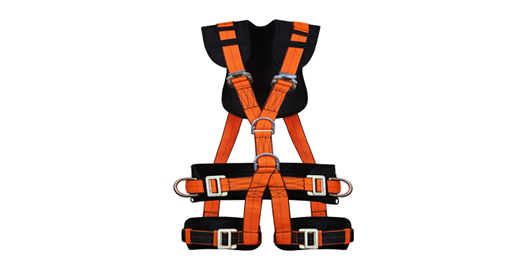
Industrial sites expose workers to constant height-related risks — from maintenance on cranes to inspections on scaffolds or roof structures. In these conditions, the full body harness is the most important link between a worker and safety.
Selecting the correct harness can be the difference between a controlled arrest and a catastrophic injury. Each industry, task, and worksite demands a specific configuration that supports comfort, compliance, and reliability.
Indian Inovatix, a trusted manufacturer, supplier, and specialist, offers a wide range of certified full body harnesses designed for industrial and EPC applications. Here’s how to select the right one for your workforce.
Understand Your Application Requirements
Different work environments call for different harness designs. Identify the type of work being performed before making a selection.
| Work Type | Recommended Harness Type | Key Features |
|---|---|---|
| Roof or scaffold work | Standard fall arrest harness | Dorsal D-ring, lightweight webbing |
| Tower or ladder climbing | Climbing/tower harness | Front & back D-rings, shoulder padding |
| Welding or fabrication | Heat-resistant harness | Fire-retardant webbing |
| Confined spaces | Rescue harness | Shoulder loops for retrieval |
| Maintenance & positioning | Work-positioning harness | Side D-rings, waist belt |
Choosing based on use case ensures safety and productivity at every stage.
Check Certification and Compliance
Every harness must comply with recognized safety standards to guarantee performance under fall conditions.
Look for certifications such as:
-
EN 361: Personal protective equipment against falls — full body harnesses.
-
EN 358: Work-positioning and restraint belts.
-
IS 3521: Indian standard for industrial safety harnesses.
All Indian Inovatix harnesses are rigorously tested for strength, durability, and ergonomic comfort to meet or exceed these standards.
Evaluate Material and Build Quality
Harness webbing and hardware directly affect lifespan and comfort.
-
Webbing: High-tenacity polyester or nylon with UV and chemical resistance.
-
Hardware: Stainless-steel or galvanized buckles to prevent corrosion.
-
Padding: Breathable foam for shoulders and thighs during long use.
Poor-quality harnesses may degrade quickly, especially in outdoor or chemical-exposed environments. Investing in certified materials ensures consistent protection.
Prioritize Comfort and Ergonomics
A comfortable harness encourages proper use. Key features to look for:
-
Adjustable chest, leg, and shoulder straps.
-
Padded waist support for extended wear.
-
Quick-connect buckles for fast donning and doffing.
-
Lightweight design for minimal fatigue.
Ergonomically designed harnesses by Indian Inovatix help workers maintain focus and efficiency during long shifts.
Verify Attachment Points and D-Ring Positions
Attachment points determine how the harness connects to a fall arrest or restraint system.
| Attachment Location | Purpose |
|---|---|
| Dorsal (back) | Primary fall arrest connection |
| Front (chest) | Ladder climbing and rescue |
| Side (hip) | Work positioning |
| Shoulder loops | Confined-space retrieval |
Selecting a harness with the correct D-ring configuration ensures compatibility with existing lifelines, lanyards, or retractable devices.
Match Harness Type to Industry
Construction & Infrastructure
Workers often move across open structures and roofs — choose a lightweight EN 361-certified harness for mobility and all-day comfort.
Power & Energy
For tower maintenance or wind-turbine service, a tower harness with front and back D-rings ensures safe vertical mobility.
Oil & Gas
Use harnesses with chemical-resistant coatings and metal components tested for corrosion.
Manufacturing & Warehousing
Select a basic fall-arrest harness with dorsal D-ring and durable webbing for routine plant work.
EPC Projects
Hybrid or multi-purpose harnesses accommodate varied on-site tasks and multiple anchor types.Ensure Proper Sizing and Fit
A full body harness must fit the worker correctly to perform as intended.
Improper sizing can lead to discomfort or severe injury during a fall.
Key Fit Guidelines:
-
The harness should be snug but not restrictive.
-
Leg straps must be secure — two fingers should fit comfortably under the webbing.
-
Chest strap should rest mid-chest, never at the neck or stomach.
-
Adjust shoulder straps so the D-ring sits between the shoulder blades.
-
Ensure the worker can move freely without looseness in webbing or buckles.
Indian Inovatix harnesses are designed with adjustable straps and quick-connect buckles, making them suitable for multiple body types while ensuring consistent comfort.
Check Compatibility with Other Fall Protection Equipment
A harness functions as part of a complete fall protection system — not in isolation.
Always confirm that your harness works seamlessly with other safety gear.
Compatibility Checks:
-
Lanyards or retractable blocks attach securely to the D-ring.
-
Connectors meet the same load-bearing standards as the harness.
-
Anchorage points are rated for the same force levels.
-
Lifeline and energy absorber combinations do not create excessive free-fall distances.
Selecting compatible equipment from a single manufacturer, such as Indian Inovatix, simplifies inspection and guarantees performance consistency.
Conduct Pre-Use Inspection and Maintenance
Even the best harness loses reliability if not inspected regularly.
Pre-Use Checks:
-
Examine webbing for cuts, burns, or fraying.
-
Ensure all stitching is intact and secure.
-
Test buckles and D-rings for corrosion or deformation.
-
Verify labels are legible and within certification validity.
Periodic Inspection:
Schedule formal inspections every 3–6 months and maintain a written record.
Replace any harness immediately after a fall event or visible wear.
Training and Awareness
Proper training is essential to ensure workers use the harness correctly.
Training should cover:
-
Harness fitting and adjustment
-
Connection procedures with lanyards or lifelines
-
Safe climbing and descent techniques
-
Emergency and rescue actions
A trained team is a safe team. Indian Inovatix supports organizations with usage guidance and safety documentation as part of its fall protection solutions.
Quick Checklist Before Buying a Harness
✅ Identify work type and height requirements
✅ Verify certification (EN 361, EN 358, IS 3521)
✅ Check D-ring configuration and attachment points
✅ Ensure material durability and corrosion resistance
✅ Confirm comfort features such as padding and breathability
✅ Match harness compatibility with lifelines and anchors
✅ Inspect adjustability for various body types
✅ Confirm manufacturer support for training and maintenance
Mini Case Study: EPC Project Harness Selection
A leading EPC contractor managing a refinery expansion needed fall protection equipment for multiple work zones. Workers operated at varying heights — from scaffolds to vertical ladders.
Challenge: Selecting one system suitable for diverse conditions.
Solution: Indian Inovatix provided multi-purpose full body harnesses with dorsal, front, and side D-rings, made of chemical-resistant webbing.
Outcome:
-
Reduced equipment complexity
-
100% compliance across work zones
-
Positive safety audit results during project inspection
FAQs
1. How do I choose the right full body harness?
Select a harness based on your job type, safety standards, fit, and material quality.
2. What certifications should I look for?
EN 361, EN 358, and IS 3521 ensure international compliance and quality.
3. What materials are best for industrial harnesses?
High-tenacity polyester or nylon with corrosion-resistant hardware.
4. Can one harness fit multiple workers?
Adjustable harnesses can fit multiple users, but each should have their own for hygiene and wear tracking.
5. How often should harnesses be inspected?
Before each use and formally every 3–6 months by a trained inspector.
6. Are all D-rings the same?
No. Different rings serve specific purposes — dorsal for fall arrest, side for positioning, and front for climbing.
7. How long does a harness last?
Typically 5 years, depending on usage, environment, and inspection results.
8. What makes Indian Inovatix harnesses different?
Engineered for comfort, certified under EN and IS standards, and made with durable materials for long-term industrial use.
9. Can harnesses be used with retractable lifelines?
Yes, if both are certified and compatible under the same rating system.
10. Does Indian Inovatix provide bulk and custom solutions?
Yes. The company supplies bulk-certified harness systems and custom solutions for EPC and industrial clients.
Conclusion
Selecting the right full body harness is not just a procurement decision — it’s a safety commitment.
A properly designed and certified harness ensures every worker returns home safely, every day.
Indian Inovatix, a leading manufacturer, supplier, and fall protection specialist, designs full body harness systems that combine strength, comfort, and compliance for every industrial environment.
Each harness is rigorously tested, ergonomically designed, and certified for dependable fall protection performance.
Every worker deserves safety. Equip your team with certified full body harnesses from Indian Inovatix.
Enquire now for bulk pricing, request a quote, or customize your industrial safety solution today.

 Arabic
 French
 Spanish
 Portuguese
 Deutsch
 Turkish
 Dutch
Dutch
 Italiano
 Russian
 Romaian
 Portuguese (Brazil)
 Greek
Greek
