


 Pro Benefits
 Sobre
Sobre
 Termos
 Privacidade
 Child Safety & Protection
 Notificações
 Ayrush Global It Services Pvt Ltd
Can stress or lack of sleep make acne worse?
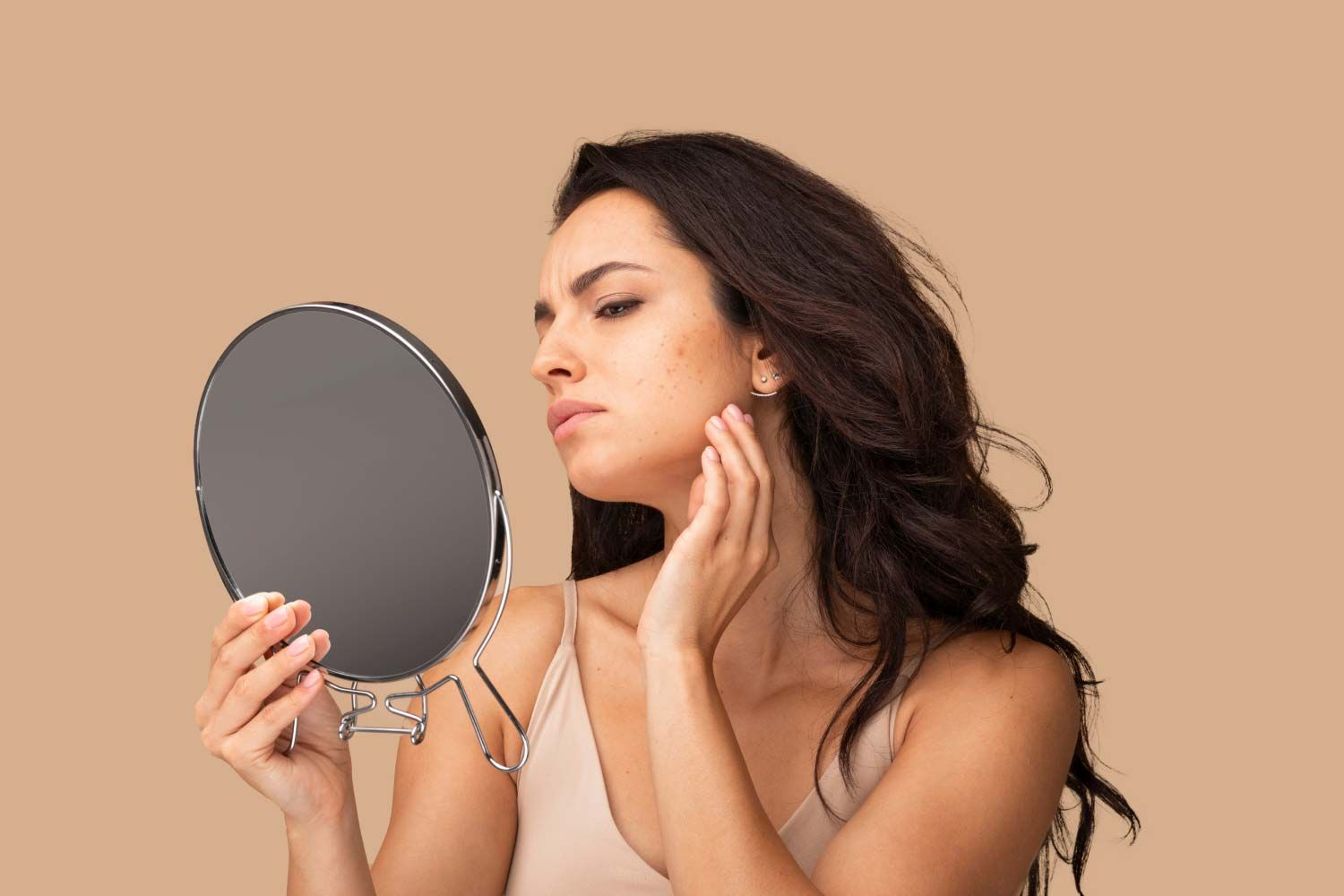
tretiva 40, an oral medication containing isotretinoin, is often prescribed for people struggling with moderate to severe acne that doesn’t respond to regular topical treatments. While such medicines can be highly effective, dermatologists frequently remind patients that medication alone cannot completely control acne if underlying triggers—like stress and poor sleep—are ignored. Many individuals notice that breakouts appear or worsen during exam periods, before important events, or after nights of inadequate rest. But why does this happen? Is it just a coincidence, or is there a genuine biological connection between mental stress, sleep deprivation, and acne? Let’s explore how both stress and lack of sleep influence the skin, why they may aggravate acne, and what you can do to keep your complexion clearer.
Understanding Acne and Its Triggers
Acne develops when hair follicles become clogged with excess sebum (oil), dead skin cells, and sometimes bacteria such as Cutibacterium acnes. Hormones, diet, genetics, environmental factors, and lifestyle habits all play a role in the formation of pimples, blackheads, and cysts. Inflammation is the common thread in all acne types—when the body’s immune system reacts to clogged pores or bacterial overgrowth, redness and swelling occur.
While hormonal fluctuations are well-known culprits, stress and lack of sleep can amplify the same hormonal imbalances, indirectly fueling the acne cycle. This means that even with strong medications like Tretiva 40, uncontrolled stress or chronic sleep loss can still slow down improvement or trigger new breakouts.
The Science of Stress and Skin
When a person experiences stress, the brain activates the hypothalamic-pituitary-adrenal (HPA) axis, releasing stress hormones such as cortisol and adrenaline. These hormones are vital for survival—they prepare the body for “fight or flight.” However, prolonged or repeated stress leads to elevated cortisol levels that can disturb several skin processes:
-
Increased Sebum Production:
Cortisol stimulates sebaceous glands to produce more oil. Excess sebum clogs pores and provides an ideal environment for bacterial growth, which can result in acne flare-ups. -
Inflammatory Response:
Chronic stress keeps the body in a mild inflammatory state. Inflammation worsens existing acne lesions, delays healing, and increases the likelihood of post-acne scars. -
Impaired Skin Barrier:
Stress reduces the production of ceramides and natural moisturizing factors, weakening the skin’s protective barrier. A compromised barrier allows more bacteria and irritants to penetrate, making acne more persistent. -
Delayed Wound Healing:
Studies show that wounds in stressed individuals heal slower. The same mechanism can delay recovery from inflamed pimples and cysts.
How Sleep Deprivation Impacts Acne
Sleep is the body’s repair time. During deep sleep, cell turnover accelerates, growth hormone is released, and inflammation subsides. When you sleep less than your body requires, several physiological changes occur that directly affect the skin:
-
Hormonal Imbalance:
Poor sleep elevates cortisol and reduces melatonin and growth hormone, disturbing oil regulation and cell regeneration. -
Weakened Immunity:
The immune system becomes less efficient at fighting C. acnes bacteria, increasing the risk of infection and inflammation within clogged pores. -
Oxidative Stress:
Lack of sleep increases free-radical formation, which damages skin cells and collagen. This can make the skin appear dull, tired, and more prone to breakouts. -
Insulin Resistance:
Sleep deprivation can raise blood sugar levels, causing insulin spikes that stimulate androgen production—hormones that increase sebum secretion.
Thus, while an occasional late night may not cause instant acne, chronic sleep debt can keep the skin in a constant state of imbalance.
The Stress–Sleep Cycle and Acne
Stress and poor sleep form a vicious cycle that directly impacts acne severity. High stress leads to anxious thoughts and sleepless nights; inadequate sleep then raises stress hormones even further. This loop keeps cortisol levels chronically elevated, continuously aggravating the skin. Over time, this can cause even individuals with mild acne to experience more frequent or stubborn breakouts.
Dermatologists often observe that patients who learn to manage stress and maintain consistent sleep schedules respond more effectively to treatments such as Tretiva 40, topical retinoids, or antibiotics. It’s a clear reminder that mental and physical health are closely tied to skin health.
How to Break the Cycle
Addressing stress and sleep quality can make a noticeable difference in your acne management plan. Here are practical strategies:
1. Prioritize Restful Sleep
-
Aim for 7–9 hours of sleep every night.
-
Keep a regular bedtime, even on weekends, to support your body’s circadian rhythm.
-
Create a sleep-friendly environment—dim lights, no electronics 30 minutes before bed, and a cool room temperature.
-
Avoid caffeine or heavy meals in the evening.
2. Adopt Stress-Relief Techniques
-
Exercise: Physical activity reduces cortisol and increases endorphins, improving mood and skin circulation.
-
Meditation and Deep Breathing: Even 10 minutes daily can calm the nervous system.
-
Journaling: Writing down worries helps clear mental clutter before bed.
-
Mindful Breaks: Short relaxation breaks during work or study reduce accumulated tension.
3. Support the Skin from the Outside
-
Use gentle, non-comedogenic cleansers and moisturizers.
-
Avoid over-washing or harsh scrubbing, which can inflame the skin.
-
Apply products containing salicylic acid, niacinamide, or benzoyl peroxide to control oil and bacteria.
-
Use sunscreen daily, since UV exposure worsens inflammation and pigmentation.
4. Maintain a Balanced Diet
Foods rich in omega-3 fatty acids, zinc, antioxidants, and vitamins A and E promote skin repair. Avoid excessive sugar and processed foods, which raise insulin and inflammation.
5. Consult a Dermatologist
If acne persists despite good habits, a dermatologist may recommend medications like Tretiva 40, hormonal therapy, or professional treatments such as chemical peels and laser therapy. Medical guidance ensures the right combination of topical and oral care tailored to your skin’s needs.
How Stress Management Improves Treatment Results
Patients often report that acne treatments work faster and cause fewer side effects when stress is controlled. For example, isotretinoin (the active ingredient in Tretiva 40) may dry the skin; stress-induced inflammation can exaggerate that dryness or trigger irritation. By balancing the mind-body connection through relaxation and quality sleep, the skin becomes more resilient and better able to recover.
Moreover, sleep boosts collagen synthesis and circulation, giving the complexion a healthier glow and allowing medications to penetrate more effectively. Managing emotional well-being complements the pharmacological action of acne drugs, creating a comprehensive approach that addresses both the internal and external causes of breakouts.
When to Seek Professional Help
Sometimes, chronic stress or sleep problems point to deeper issues such as anxiety disorders, depression, or insomnia. If you notice constant fatigue, mood swings, or excessive worry, it’s essential to speak with a healthcare professional. Mental health care can indirectly improve skin health by normalizing hormone levels and reducing systemic inflammation. Remember: clear skin is not just about creams or pills—it’s about holistic balance.
Conclusion
Stress and lack of sleep are not just mental burdens—they have real, measurable effects on the skin. Through elevated cortisol, disrupted hormones, and impaired immune responses, they can worsen existing acne or trigger new breakouts. While effective medications like Tretiva 40 play a crucial role in treating severe acne, their success often depends on complementary lifestyle habits.
 Portuguese (Brazil)
 English
 Arabic
 French
 Spanish
 Portuguese
 Deutsch
 Turkish
 Dutch
Dutch
 Italiano
 Russian
 Romaian
 Greek
Greek
