


 Pro Benefits
 About
About
 Koşullar
 Gizlilik
 Child Safety & Protection
 Bildirimler
 Ayrush Global It Services Pvt Ltd
Freight Management Challenges & Tech Solutions for 2025
Challenges in Traditional Freight Management and How Technology is Solving Them
In the current supply chain management, the quality of your customer experience hinges on how efficiently the freight management is conducted. Having the finest product and the most polished e-commerce site won’t matter if a delivery is delayed or missing. This is because the customer will hold you accountable and not the carrier.
The use of phone calls, spreadsheets, and unconnected systems for freight management has reached a critical point. It is not only ineffective, but also poses a serious threat to your brand commitment. Manual effort takes time and is prone to mistakes. Freight management issues often require quick thinking to avert obstacles, which is not accurately possible due to human limitations.
So, the question isn’t really if freight logistics needs these solutions; it is how fast you can implement them. This blog explores how freight management software solutions are automating operations through smart platforms, overcoming fragmentation, and creating a unified future for freight management and technology.
For a closer look at evolving logistics trends and digital operations, explore logistics management insights to understand how modern systems are reshaping transportation efficiency.
Overcoming Visibility Gaps in Freight Management
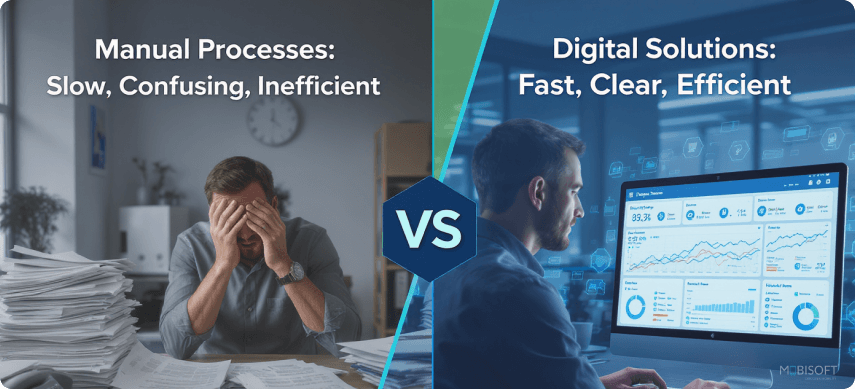
The Black Box Problem
Most freight operations rely on very manual, archaic processes in which shipment status is not known until updates arrive manually. The lack of visibility creates all sorts of delays, miscommunications, and distrust among shippers, carriers, and customers. Decisions are often reactive, based upon partial or late information, which can raise operational costs and lower efficiency. These are among the biggest challenges in freight management for businesses today.
Real-Time Visibility Platforms
Continuous and real-time insight into shipments is conveyed by smart platforms through the implementation of cloud systems, APIs, and IoT sensors. Teams receive alerts of potential disruptions while being able to track cargo location and closely monitor conditions. It allows teams to proactively manage any delay or exception, reducing uncertainties.
Improving Customer and Operational Experience
Logistics management teams can engage proactively with clients, foresee issues, and swiftly adapt plans using real-time data. Clients no longer await updates, which bolsters connections and improves trust. Internally, operations groups obtain practical insights to enhance routes, resource distribution, and performance indicators.
Utilizing these platforms changes the freight process from unclear and reactionary to clear and anticipatory. Businesses achieve improved oversight of their processes and can make more informed choices that lessen inefficiencies while enhancing service dependability through advanced logistics automation tools.
To explore how smart tracking tools enhance real-time visibility in logistics, check our detailed insights on advanced monitoring systems for transporters.
Predictive Analytics for Cost Optimization in Logistics
The Challenge of Unpredictable Costs
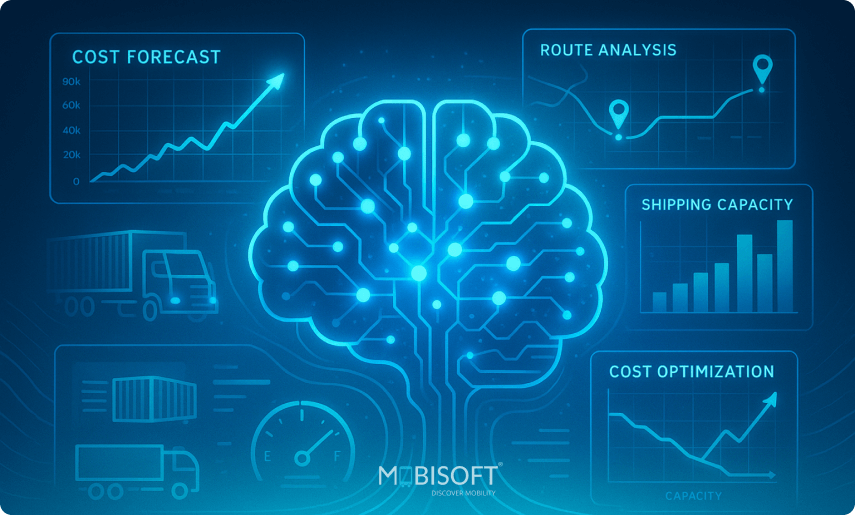
Freight costs are inherently volatile. Carrier rates change, as do fuel prices, daily. Moreover, limited capacity often results in unexpected cost surges. Traditional quotation methods respond to this instead of staying ahead of it, which makes budgeting hard and constrains the ability to protect margins. These are common logistics optimization challenges that modern technology aims to solve.
Predictive Pricing Through Technology
Transportation Management Systems (TMS solutions) make use of AI-powered rate engines. These engines collect extensive data and perform analysis to forecast future demands. Rather than reacting to fluctuating conditions, teams can plan and make strategic procurement decisions. The result is fewer bottlenecks and enhanced financial predictability.
Shifting From Cost Control to Margin Optimization
With the help of technological tools, logistics management teams can optimize their margins in addition to controlling finances. Predictive pricing allows for better contract negotiations, smarter carrier selection, and informed decisions on routing or load consolidation. Companies take a more strategic view of transportation spend without sacrificing service quality.
Learn how a transportation management system can help optimize logistics costs and enhance route efficiency.
 Turkish
 English
 Arabic
 French
 Spanish
 Portuguese
 Deutsch
 Dutch
Dutch
 Italiano
 Russian
 Romaian
 Portuguese (Brazil)
 Greek
Greek
