


 Pro Benefits
 О нас
О нас
 Условия использования
 Конфиденциальность
 Child Safety & Protection
 Оповещения
 Ayrush Global It Services Pvt Ltd
The Art of Cake Glazing: Tips for Smooth, Professional Finishes
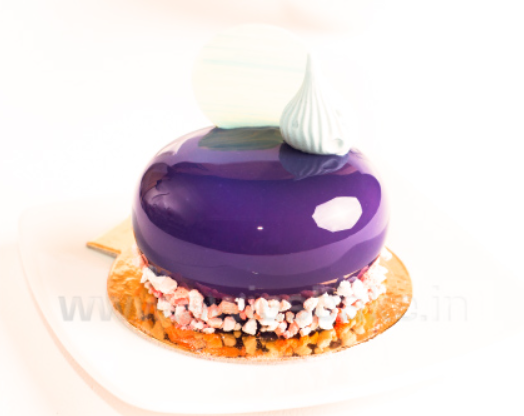
In the world of professional baking, visual appeal carries almost as much weight as flavor. The sheen of a perfectly glazed cake is more than decoration—it’s a symbol of technical precision and craftsmanship. Glazing is one of the most defining steps in finishing cakes and desserts, separating amateur work from professional artistry. Whether it’s a sleek mirror finish, a glossy chocolate layer, or a delicate fruit coating, mastering the art of cake glazing demands an understanding of ingredients, temperature, and timing.
Understanding the Purpose of Glazing in Professional Baking
In commercial bakeries, patisseries, and HORECA kitchens, the glaze serves multiple functional and aesthetic roles. Beyond providing shine, a well-executed glaze helps seal in moisture, preserves freshness, and enhances the flavor profile of the product. It protects the cake from oxidation and adds an attractive, uniform surface for presentation.
For chefs and pastry professionals, consistency and control are essential. A glaze that sets too fast can ruin a product’s finish, while one that’s too thin can fail to hold its sheen. Thus, understanding how to work with different types of glazes, their base compositions, and ideal application conditions is the cornerstone of achieving reliable results across batches.
Types of Professional Glazes
In the professional kitchen, not all glazes are created equal. The choice depends on the nature of the dessert, storage requirements, and desired visual effect.
-
Mirror Glazes – Known for their high-gloss reflective finish, mirror glazes are used primarily on mousse cakes and entremets. These glazes are gelatin-based, typically incorporating chocolate or fruit purée, and require precise temperature control for flawless results.
-
Neutral Glazes – Often applied to fruit tarts and pastries, neutral glazes add shine without altering flavor. They’re commonly used in buffets or hotel displays to enhance visual appeal and prevent fruits from drying out.
-
Chocolate Glazes – Rich and indulgent, chocolate-based glazes are typically made with couverture chocolate, cream, and glucose syrup. They demand careful handling to ensure a uniform shine and avoid air bubbles.
-
Fondant and Sugar Glazes – Used for petits fours and certain pastries, these glazes are thinner and set quickly, creating a smooth yet slightly opaque finish.
Each type of glaze has its technical nuances. Professional chefs often develop their signature versions, adjusting sugar ratios, using specific stabilizers, or experimenting with fruit acids and fats to achieve the perfect sheen and viscosity suited to their production environment.
Innovative Glaze Solutions for Professional Kitchens
Modern professional kitchens are embracing smarter techniques to elevate the art of glazing. The SwissBake® GLASUR® Range—featuring ready-to-use, cold-set glazes crafted for efficiency and precision. Engineered to simplify high-volume operations, these glazes ensure a brilliant, mirror-like sheen that enhances presentation while offering consistent performance and convenience for chefs and patissiers alike.
Balancing Structure and Shine
At the heart of glazing lies chemistry. The interaction of sugar, fat, gelatin, and water determines not only the gloss but also the texture and stability of the final coat.
-
Sugar provides sweetness and structure, but excessive sugar can crystallize and dull the finish.
-
Elasticity in a glaze, whether achieved through gelatin in traditional recipes or alternative setting agents like pectin, agar, or cold-set formulations, helps it adhere smoothly to the cake surface.
-
Glucose syrup or inverted sugar helps control crystallization and improve shine retention over time.
-
Fats, typically from cream or chocolate, add body and depth while influencing the viscosity of the glaze.
Temperature control is crucial. For example, a mirror glaze must be poured at approximately 30–35°C to achieve perfect fluidity. If it’s too warm, the glaze will slide off the cake; too cool, and it will clump or form streaks.
In large-scale kitchen environments, maintaining this temperature range consistently requires precision equipment induction heaters, temperature probes, and chilled storage units, to replicate uniform results across multiple batches.
The Foundation of a Perfect Finish
No glaze can mask an uneven surface. The underlying cake or entremet must be impeccably smooth, typically frozen before glazing to allow the coating to set instantly upon contact. Professionals often use acetate sheets, silicone molds, or spray guns to create clean edges and minimize imperfections.
Applying glaze over a cold surface helps achieve a smooth finish without excessive dripping. It also ensures that the glaze sets rapidly, forming a thin, even layer that adheres perfectly to the product.
For chocolate-based glazes, the cake surface must be free of condensation. Even a slight presence of moisture can cause streaking or matte spots, compromising the presentation quality.
Achieving Uniformity in a High-Production Kitchen
In a professional setup, efficiency must balance artistry. Scaling glaze recipes to larger quantities requires precision in both measurement and mixing technique. Consistency in ingredient temperature, blending time, and resting period ensures repeatable results.
Most chefs prefer to use high-quality, ready-to-use glaze bases that maintain stability across temperature ranges. These professional formulations simplify production without compromising appearance or performance. Still, customization is common—chefs may adjust viscosity, color intensity, or gloss levels to match brand aesthetics or seasonal themes.
Common Challenges and Their Professional Solutions
Even seasoned professionals encounter difficulties in glazing. Some of the most frequent issues include:
-
Air bubbles: Often caused by overmixing. Allowing the glaze to rest and tapping the container gently before use can eliminate trapped air.
-
Matte finish: May result from incorrect temperature or excessive gelatin. Using a digital thermometer ensures accuracy.
-
Thick or uneven layers: Typically a result of improper cooling or glaze viscosity. Straining the mixture through a fine sieve ensures smoothness.
-
Color dullness: Caused by oxidation or contamination from storage tools. Always use clean utensils and store glazes in airtight containers.
Addressing these challenges through methodical adjustments—rather than improvisation helps professional kitchens maintain consistency across large-scale operations.
Aesthetic Precision
In modern patisserie, glazing has evolved from mere functionality to an art form. Chefs use glazes not only for shine but also for color contrast, pattern creation, and visual storytelling. The reflective surface of a glaze can highlight airbrushed textures, stenciled motifs, or layered inserts inside the dessert.
Using complementary color schemes, chefs craft visually engaging displays that align with brand identity or event themes. A perfectly glazed cake becomes a centerpiece, a visual signature of the kitchen’s craftsmanship and precision.
Utilizing Instant Cold-Set Glazes for Professionals
Today's professional kitchens are increasingly adopting advanced methods to push the limits of glazing artistry. SwissBake's GLASUR® range, including options like the GLASUR® Milky White, GLASUR® Neutral, and GLASUR® Mango Glazes, offers ready-to-use, cold-set solutions that streamline large-scale operations while maintaining precision. These glazes are designed to provide superior visual appeal with a mirror-like finish.
Quality Control and Storage Best Practices
For consistent results, glazes should be produced in controlled batches and stored under ideal conditions. Refrigeration at 4°C helps extend shelf life, but glazes must be gently reheated before application to avoid separation. In HORECA settings, chefs often prepare glazes in bulk and store them in sealed containers to prevent exposure to humidity and air.
Quality control involves routine viscosity checks, color uniformity inspection, and trial pours before large-scale application. These preventive measures reduce waste and ensure flawless finishes across service operations.
Conclusion
The pursuit of a flawless glaze represents the intersection of science, precision, and artistry. For professionals, it’s not just about visual perfection; it’s about process mastery, ingredient control, and operational consistency. The ability to deliver a uniform, glossy coating that enhances both taste and presentation reflects the depth of a chef’s technical skill.
From luxury hotels to high-volume bakeries, every polished surface tells a story of expertise. Mastering glaze preparation, handling, and application ensures that each dessert leaving the kitchen mirrors the professional excellence it represents.
In this delicate balance of texture, temperature, and technique lies the true art of the cake glaze, a testament to craftsmanship that continues to define the standards of modern pastry excellence.
 Russian
 English
 Arabic
 French
 Spanish
 Portuguese
 Deutsch
 Turkish
 Dutch
Dutch
 Italiano
 Romaian
 Portuguese (Brazil)
 Greek
Greek
