


 Pro Benefits
 About
About
 Termeni
 Confidențialitate
 Child Safety & Protection
 Notificări
 Ayrush Global It Services Pvt Ltd
Can a Civil Engineer Build a House?
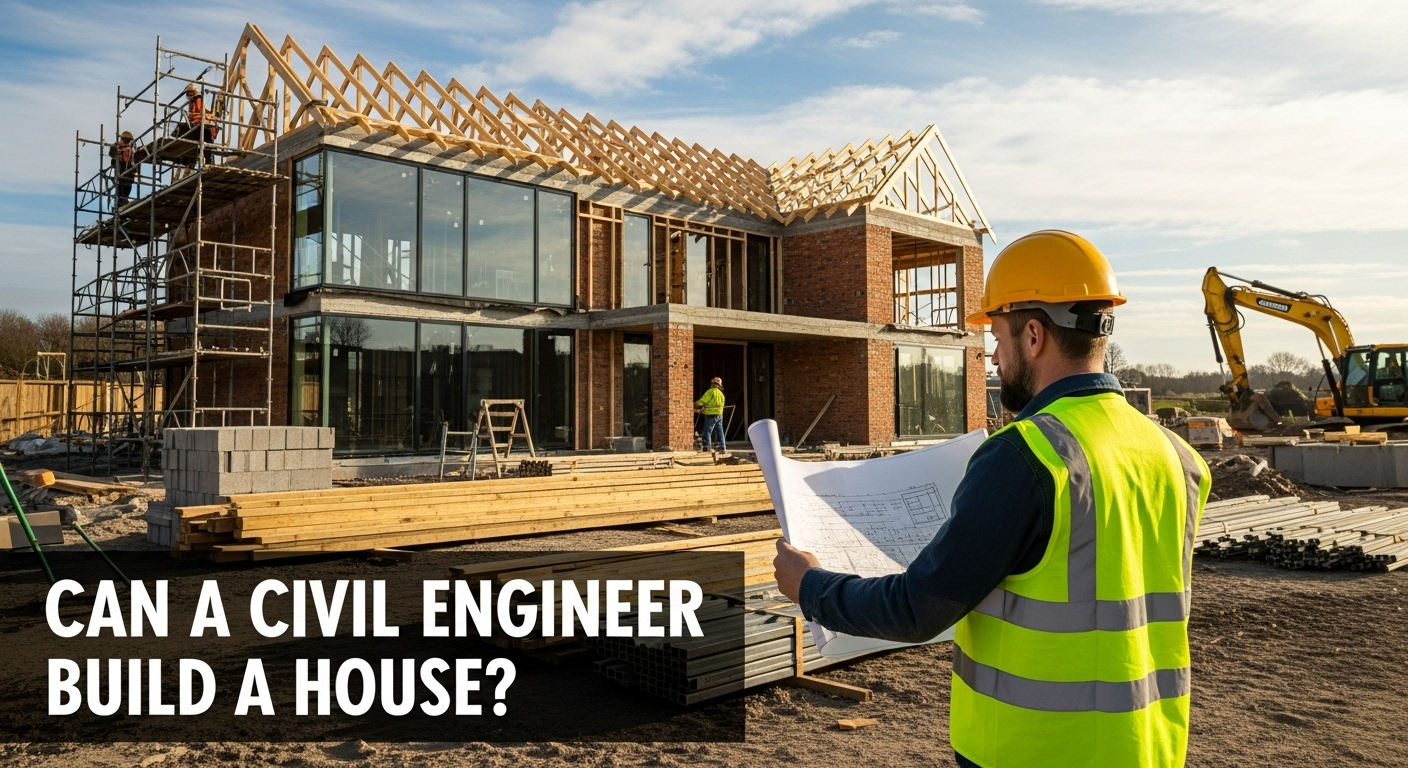
A home is one of life’s biggest dreams and paramount investments. But in case you’ve ever asked yourself, can a civil engineer design a house? The answer is yes, and often they’ve got to be some of the most qualified people for the job. Civil engineers apply technical knowledge, construction, and structural advice to enact designers’ ideas and ensure that buildings are strong, stable, and sustainable.
Let’s look at how civil engineers are an integral part of the design and construction of homes, what sets them apart from architects, and why hiring one may be a wise, long-term investment for your dream project.
The Role of a Civil Engineer in Construction
You can often get confused between what civil engineers do and what architects do, but those are different terms.
In many countries, we rely on civil engineers (or infrastructure engineers) to make society work. From roads and bridges to skyscrapers and houses, they create, plan, and oversee structures that need to last decades upon decades.
That, by the way, is in relation to house building, where their contribution goes a lot deeper than just building design. They protect your home and keep it operating as intended, in accordance with any local building codes.
What Does a Civil Engineer Do for a House?
-
Designs structural elements such as foundations, beams, and slabs.
-
Examine the soil and load conditions to avoid settling or cracking.
-
Directs the activities of construction site workers to ensure efficient building processes.
-
Works with architects, electricians, and plumbers to ensure a seamless operation.
-
Confirms safety measures to last in the building.
Simply put, an engineer is hired to translate design concepts into reality.
A Civil Engineer Can Construct His Own House, This is How
It's a common misconception that only architects can design or build houses. Civil engineers are legally entitled to, and technically capable of, constructing houses, particularly when they are registered professionals or hold valid construction licenses.
Civil engineers don’t just make lines on paper; they draw blueprints that work out in the world. And, as long as the architectural plan complies with local regulations, they are able to manage residential projects from concept to completion.
In the early cycle of a project, civil engineers do a detailed material takeoff, which estimates quantities and costs of all materials. This guarantees the project to be on budget and prevents it from being put on hold for material shortages.
They can anticipate, compute, and prevent problems, which is a necessity when building safe, affordable, and long-lasting houses.
The Discipline: How Civil Engineers Build a House

Constructing a house involves attention to detail and requires the person with the design and execution knowledge. This is how civil engineers typically do the process:
Site Analysis and Survey
They start with an analysis of plot, soil resistance, and environmental circumstances. This layer is responsible for guaranteeing that the ground can support and safely carry the prospective building.
Foundation and Structural Design
They use math and engineering calculations to create strong foundations and buildings that can support weight without collapsing.
Load Calculation and Reinforcement
All beams, columns, and roof elements are checked for stability to avoid collapse or stress.
Construction Management
Civil engineers direct the daily construction, guide its progress and guarantee that quality materials are used.
Inspection and Handover
Once it is finished, they inspect for safety, plumbing, and electrical integrity, and structural soundness before final delivery.
This methodical process guarantees you a home that is not just visually stunning and appealing, but it is also structurally perfect for years to come.
The Major Benefits of a Civil Engineer
Civil engineer to build house: The cost of hiring a civil engineer to construct your home offers some pretty potent advantages, which most homeowners easily ignore.
Precision and Safety
Homes are designed with exact load and stress calculations by civil engineers to tolerate changes in weather and the occupancy loads of a building.
Cost Efficiency
By estimating the materials correctly and planning your job, you can prevent waste or the need for additional materials trips.
Regulatory Compliance
Engineers make certain your project complies with local building codes, safety requirements, and zoning laws.
Long-Term Durability
With homes built and supervised by civil engineers, you will have fewer maintenance issues in the years.
Time Management
They work with suppliers, laborers, and government inspectors to keep your project on schedule, something that is especially important if you’re juggling multiple jobs at once or your time is limited.
It’s benefits like this that make civil engineers more than builders; they are your strategic partners in making your dream home the safe, efficient space you’ve always dreamed of.
The Difficulties Encountered by Civil Engineers Who Construct Houses

Civil Engineers are incredibly competent but they do a few things hard on residential work.
Coordination with Architects
Buildings are architects' work (more emphasis on form and interior), while they are civil engineers' products (more emphasis on strength and functionality). That rift can lead to delays in progress.
Regulatory Delays
Getting a building permit and navigating government regulations can take weeks or months.
Client Expectations
Often, homeowners come up short on time or money. Reality, however, the customers' hopes and dreams are in the world you’re asking engineers to work in. Engineers have to deal with that while trying to do good technical work.
Still, despite the hardships, civil engineers possess a set of technical skills that enable them to find quick resolutions; they leverage near-cannon fodder into simple stepping stones to completion.
A civil engineer looks at the structure, strength, and stability of the building. Because they specialize in load-bearing design and soil testing, as well as the qualification of building materials. They stabilise and make the building obedient during its entire erection.
An architect on the other hand, is concerned with design, layout, and “beauty”. Their specialisation lies in spatial and creative concepts, as well as interior design. Architects add beauty and functional aspects to the home, working primarily in design-build projects.
Price and Time if A Civil Engineer is Constructing Your Home
Having a civil engineer in charge of your project means you’ll understand the costs and timelines upfront.
A typical 2000 sq. ft. house designed and supervised by a civil engineer can be built in 6–8 months, subject tothe availability of all inputs i.e., material, labour, etc.
Key Cost Considerations
-
Soil testing and site surveys
-
Structural and material design fees
-
Labor and construction supervision
-
Plumbing, electrical, and finishing work
Conclusion
So, is it possible for a civil engineer to build a house?
Definitely, and in most cases, they are the perfect solution to help make sure your dream home is strong, safe, affordable, and environmentally friendly.
Civil engineers apply analytical, on-the-ground management, and design depth to create homes that stand the test of time. From rock-solid foundations to seamless timelines and budgets, they are the ones who make blueprints come to life, accurately, efficiently, and passionately.
Regardless of whether you are building your first family home or creating a multi-storey villa, there is nothing sweeter than the peace of mind that comes when you trust your structure to a true master, because with MasterPlans, you know what’s going to come, and it was built on science and integrity.
FAQs
Does a CIVIL engineer require licensing to design houses?
Yes. Registered or licensed civil engineers are in all States and the District of Columbia. Licensing is a way to make sure they’ve met professional standards and can sign off on properties as being structurally sound.
How much time does a civil engineer take to construct a home?
On average, residential designs take 6–8 months from commissioning to handover, subject to size and complexity. Weather, permits, or material shortages can cause delays.
Is it possible for a civil engineer to plan a building/flat?
Yes, but with limitations. Civil engineers design the structural layouts, such as foundations, beams, and columns, while architects manage aesthetic and spatial designs. The two professionals work together for the best results in many projects.
Is it cost-effective to hire a civil engineer to construct your home?
Often, yes. Civil engineers prioritize the use of materials and waste reduction, whereby you can expect to get 10-15 percent savings on your overall project by preparing a site rather than haphazardly planning it.
 Romaian
 English
 Arabic
 French
 Spanish
 Portuguese
 Deutsch
 Turkish
 Dutch
Dutch
 Italiano
 Russian
 Portuguese (Brazil)
 Greek
Greek
