


 Pro Benefits
 About
About
 Termeni
 Confidențialitate
 Child Safety & Protection
 Notificări
 Ayrush Global It Services Pvt Ltd
Are Chemical Peels Safe for Sensitive or Acne-Prone Skin?
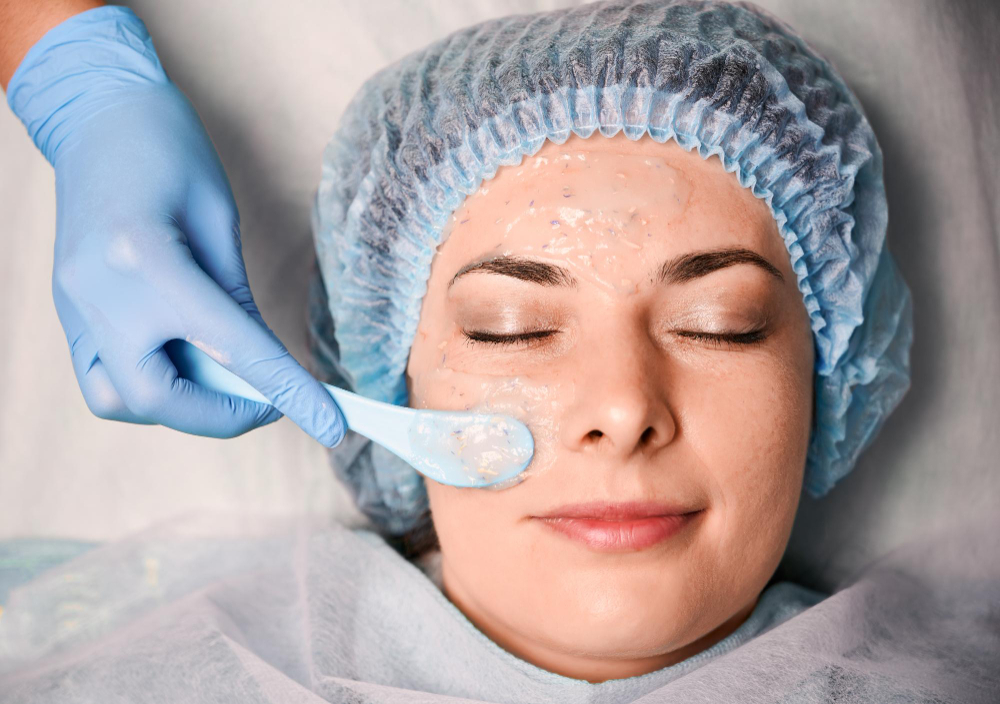
Chemical peels have long been recognized as an effective solution for improving skin texture, tone, and overall appearance. From reducing fine lines to treating hyperpigmentation, these treatments offer a wide range of benefits. However, individuals with sensitive or acne-prone skin often have concerns about whether a chemical peel treatment is suitable for them. Understanding the science behind chemical peels, the different types available, and the precautions taken for sensitive skin can help answer this question with clarity.
Understanding Chemical Peels
A chemical peel is a procedure that involves applying a carefully formulated solution to the skin to exfoliate the outer layers. This process stimulates skin regeneration, removes dead skin cells, and promotes collagen production. Depending on the strength of the peel, it can address a variety of skin concerns:
-
Acne and clogged pores
-
Sun damage and pigmentation
-
Fine lines and wrinkles
-
Uneven skin texture
-
Scars and blemishes
Chemical peels vary in strength and formulation, ranging from superficial peels that gently exfoliate the skin to deep peels that penetrate more layers for dramatic results.
Types of Chemical Peels
Chemical peels are categorized into three main types based on their depth of action:
-
Superficial Peels:
-
Use mild acids like glycolic acid or salicylic acid
-
Target the outermost layer of the skin
-
Ideal for mild acne, pigmentation, and dullness
-
Minimal downtime, suitable for sensitive skin when applied carefully
-
Medium Peels:
-
Contain stronger acids such as trichloroacetic acid (TCA)
-
Reach the middle layers of the skin
-
Address moderate acne scars, hyperpigmentation, and fine lines
-
Require professional supervision and some downtime
-
Deep Peels:
-
Use potent acids like phenol
-
Penetrate deep into the dermis
-
Treat severe skin damage, deep scars, and advanced signs of aging
-
Performed under strict medical supervision due to higher risks and extended recovery
For sensitive or acne-prone skin, superficial and mild medium peels are typically preferred, as they balance effectiveness with safety.
Considerations for Sensitive Skin
Sensitive skin is prone to irritation, redness, and inflammation. Applying a chemical peel without proper assessment can exacerbate these issues. Dermatologists follow several precautions to ensure safety:
-
Patch Testing: A small area is treated first to assess the skin’s reaction.
-
Customized Formulations: Peels are tailored to the individual’s skin type and tolerance.
-
Lower Concentrations: Mild acids are used to minimize the risk of irritation.
-
Post-Treatment Care: Soothing products and sun protection are recommended to protect the skin during healing.
When performed professionally, chemical peel treatment can be safe and beneficial even for sensitive skin, improving texture, tone, and overall skin resilience.
Considerations for Acne-Prone Skin
Acne-prone skin requires careful handling because it is prone to inflammation, clogged pores, and bacterial growth. Chemical peels can be particularly effective for acne when used appropriately:
-
Salicylic Acid Peels: Oil-soluble and anti-inflammatory, ideal for unclogging pores and reducing acne lesions.
-
Mandelic Acid Peels: Gentle exfoliation for sensitive and acne-prone skin, reducing breakouts and improving skin texture.
-
Combination Treatments: Chemical peels may be combined with topical acne medications for enhanced results.
It is important to avoid deep or harsh peels on active acne outbreaks, as this can worsen inflammation or trigger post-inflammatory hyperpigmentation. Professional assessment ensures that the type and strength of peel are appropriate for the patient’s condition.
Safety Measures and Professional Guidance
The safety of chemical peels largely depends on proper assessment, professional application, and aftercare. Key safety measures include:
-
Consultation: A dermatologist evaluates skin type, medical history, and specific concerns before recommending a peel.
-
Pre-Treatment Preparation: Skin may be primed with topical agents to enhance peel effectiveness and minimize irritation.
-
Controlled Application: The chemical solution is applied in a controlled manner, monitored for skin reaction.
-
Post-Treatment Care: Patients are advised to avoid sun exposure, use gentle cleansers, and apply soothing or protective products.
Following these measures significantly reduces risks and ensures that the treatment achieves desired results safely.
Benefits of Chemical Peels for Sensitive and Acne-Prone Skin
When administered correctly, chemical peels can provide multiple benefits for sensitive and acne-prone skin:
-
Reduced Acne Breakouts: Helps unclog pores, reduce sebum production, and target acne-causing bacteria.
-
Improved Skin Texture: Smoothens rough patches, reduces unevenness, and promotes cell turnover.
-
Minimized Scarring: Lightens acne scars and post-inflammatory marks over time.
-
Balanced Skin Tone: Reduces pigmentation, redness, and discoloration, enhancing overall appearance.
These benefits make chemical peels a versatile tool in dermatological skincare, capable of improving both the look and health of the skin.
Post-Treatment Expectations
After a chemical peel, patients may experience mild redness, flaking, or sensitivity, depending on the strength of the peel. These effects are temporary and typically resolve within a few days to a week for superficial peels. Medium peels may require longer recovery periods. Following a dermatologist’s post-care instructions is critical for achieving optimal results and avoiding complications.
Patients are advised to:
-
Apply gentle moisturizers to support healing
-
Use broad-spectrum sunscreen to protect newly exfoliated skin
-
Avoid picking or scratching the treated area
-
Follow up with professional evaluations as recommended
Conclusion
A chemical peel treatment can be safe and effective for sensitive and acne-prone skin when performed under professional guidance. By selecting the appropriate type of peel, customizing the formulation, and following proper pre- and post-care protocols, dermatologists can provide treatments that improve skin texture, tone, and overall health without causing undue irritation.
Individuals with sensitive or acne-prone skin should consult with a qualified dermatologist to determine the most suitable peel, ensuring that it addresses their concerns safely. With the right approach, chemical peels offer a valuable solution for clearer, smoother, and healthier skin, combining both therapeutic and aesthetic benefits.

 English
 Arabic
 French
 Spanish
 Portuguese
 Deutsch
 Turkish
 Dutch
Dutch
 Italiano
 Russian
 Portuguese (Brazil)
 Greek
Greek
