


 Pro Benefits
 About
About
 Voorwaarden
 Privacy
What Are the Differences Between CBCS and the Academic Credit Bank?

India’s Credit System in Higher Education is evolving to make learning more flexible, student-centric, and outcome-based. Two major frameworks driving this change are the Choice Based Credit System (CBCS) and the Academic Credit Bank (ABC).
Although both aim to improve academic mobility and flexibility, they serve different purposes. Let’s break down their meanings, objectives, and the key differences between CBCS and ABC.
What Is CBCS (Choice Based Credit System)?
The Choice Based Credit System (CBCS) is an academic framework introduced by the University Grants Commission (UGC) to provide students with flexibility in choosing courses. Under CBCS, students can select subjects from core, elective, and skill-based courses based on their interests and career goals. It measures learning through a credit-based evaluation system, where credits are assigned according to class hours and student workload.
CBCS helps students personalize their learning experience and makes degrees more comparable across universities.
What Is the Academic Credit Bank (ABC)?
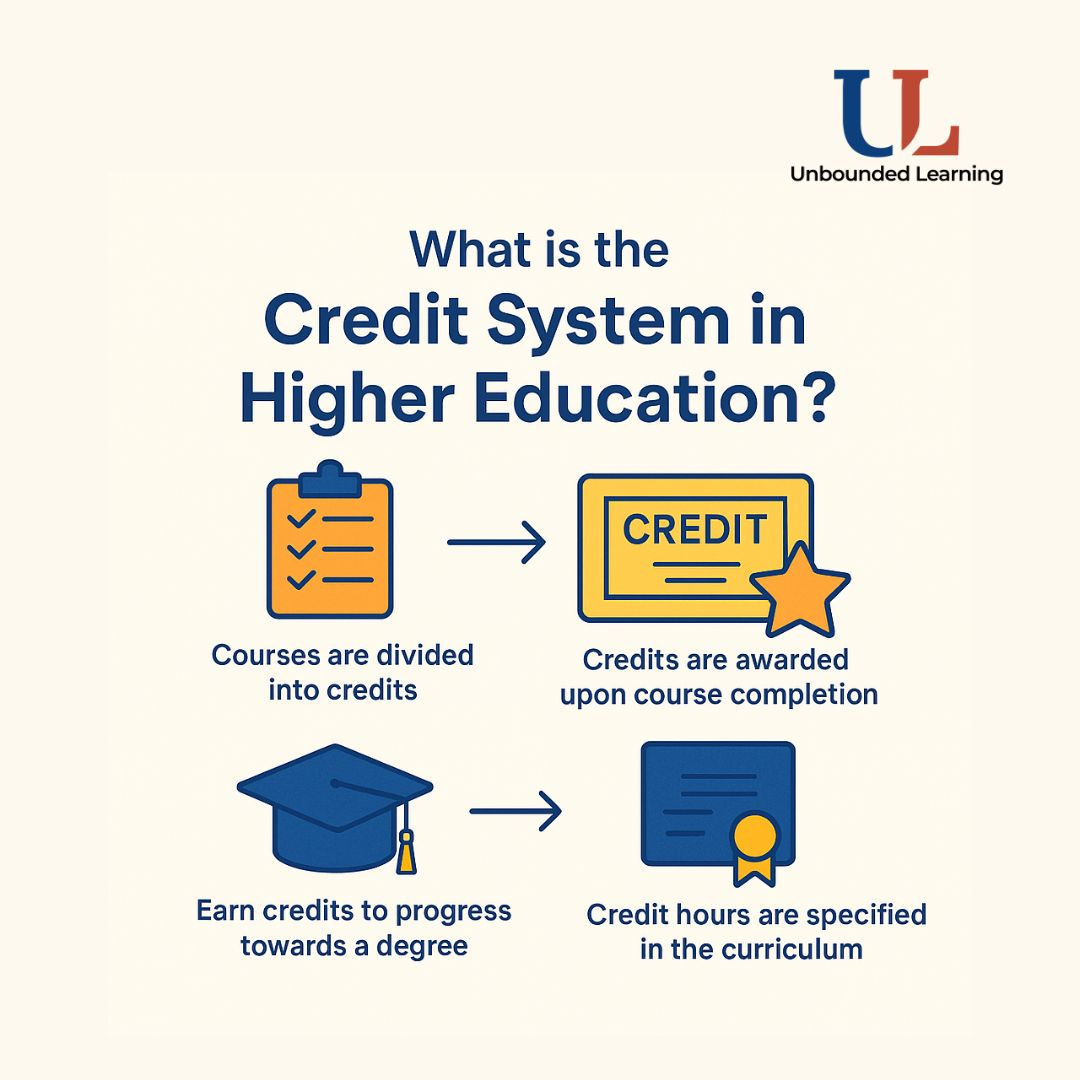
The Academic Credit Bank, also known as the ABC, is an innovative digital system launched by the UGC under the National Education Policy (NEP) 2020. It acts as a virtual repository that stores, tracks, and validates credits earned by students from recognized institutions — including online platforms like SWAYAM, NPTEL, and universities approved by the UGC. Through the Academic Credit Bank, students can accumulate, transfer, and redeem credits to complete degrees or certifications at their convenience.
This framework supports Academic Credit Transfer in India, enabling smooth transitions between institutions and modes of learning — online, offline, or hybrid.
Key Differences Between CBCS and the Academic Credit Bank
Although CBCS and ABC both promote flexibility and credit-based learning, their functions and implementation differ. Here’s a clear comparison to help you understand the distinction:
CBCS (Choice Based Credit System):
-
Works at the university or institutional level.
-
Allows students to choose subjects and electives within their current program.
-
Credits are earned and used within one institution.
-
Focuses on flexible curriculum design and assessment.
-
Credit records are usually maintained by the college or university.
Academic Credit Bank (ABC):
-
Operates at a national level, managed by the UGC.
-
Allows students to store, transfer, and redeem credits across multiple institutions.
-
Credits can be earned through online, offline, or blended modes.
-
Focuses on lifelong learning and academic mobility.
-
Maintains digital credit records through the ABC online platform.
How CBCS and ABC Work Together
While CBCS handles credit allocation and grading at the institutional level, the Academic Credit Bank connects these credits nationally. Together, they create a seamless Credit Transfer System in India, allowing students to combine credits from various learning experiences toward their degree.
For example, a student studying under CBCS can complete one semester in a university and earn additional credits through online courses on SWAYAM. These credits are then recorded in the ABC portal for future use — ensuring no learning goes unrecognized.
This integration supports Degree Credit Transfer and encourages multidisciplinary education, a key objective of the NEP 2020.
Benefits of CBCS and Academic Credit Bank
Both CBCS and ABC share a common goal — empowering students with flexibility and freedom in higher education. Here are the main advantages:
-
Enables flexible course selection based on interest and career goals.
-
Supports Academic Credit Transfer in India between recognized institutions.
-
Encourages lifelong learning through credit accumulation and redemption.
-
Facilitates multiple entry and exit options in degree programs.
-
Aligns Indian universities with global credit systems for easy academic recognition.
Why the Credit System in Higher Education Matters
The shift toward a credit-based framework ensures that education is modular, transparent, and globally comparable.
Through CBCS and ABC, students can now design their academic journey, take breaks if needed, or switch institutions without losing progress — all under the UGC Credit Transfer Policy.
This not only enhances the quality and accessibility of higher education in India but also promotes inclusivity and lifelong learning opportunities.
Conclusion
The Credit System in Higher Education is changing the way students learn and progress in India. The CBCS helps students choose subjects freely within their college, while the Academic Credit Bank (ABC) lets them save and transfer credits across different universities or online platforms.
Together, these systems give learners more freedom, flexibility, and control over their studies. Whether you want to switch colleges, take online courses, or continue your degree later, your credits stay safe and valid.
With the UGC Credit Transfer Policy and Academic Credit Transfer in India, students can now build their own academic path — without worrying about losing progress or starting over. It’s a smarter, easier, and more student-friendly way to learn.
FAQs
1. Can CBCS credits be stored in the Academic Credit Bank?
Yes. Credits earned under the CBCS from UGC-recognized institutions can be deposited into the Academic Credit Bank for future transfer or redemption.
2. What is the main role of the Academic Credit Bank?
The ABC acts as a centralized digital repository that securely stores students’ earned credits and allows them to transfer these credits across universities or programs.
3. How does CBCS benefit students?
CBCS gives students the freedom to choose courses, pace their studies, and explore interdisciplinary subjects while earning credits for each completed course.
4. Is the Credit System in Higher Education recognized globally?
Yes. The Credit Transfer System in India aligns with international academic credit models, making it easier for students to pursue higher studies abroad or gain global recognition for their coursework.
Read more: Credit System in Higher Education: A Gateway to Flexible and Continuous Learning


 English
 Arabic
 French
 Spanish
 Portuguese
 Deutsch
 Turkish
 Italiano
 Russian
 Romaian
 Portuguese (Brazil)
 Greek
Greek
