


 Pro Benefits
 About
About
 Termeni
 Confidențialitate
 Child Safety & Protection
 Notificări
 Ayrush Global It Services Pvt Ltd
Custom Branding with Kraft Cake Boxes
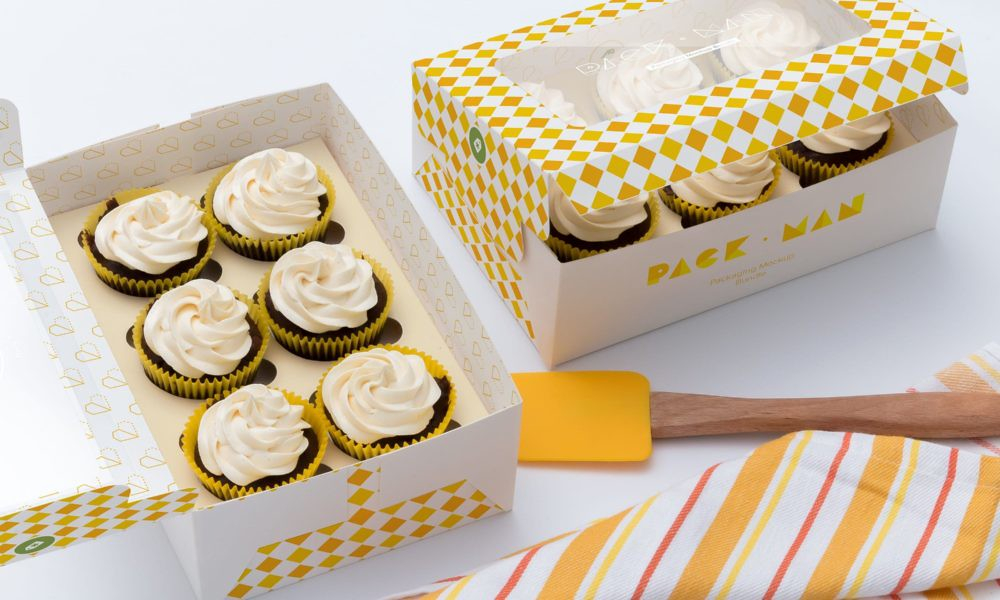
Your cake leaves the counter as a product and arrives as an experience. The packaging sets expectations long before the first slice, which is why many bakeries standardize on Kraft Cake Boxes to align presentation, safety, and brand identity. Thoughtful print choices, reliable board grades, and simple structural details turn a routine carrier into a brand asset that customers remember and share.
Why Packaging Consistency Wins
A consistent box color, finish, and layout help customers recognize your brand at a glance—on shelves, at pickup counters, and in delivery photos. Repeatable guidelines also simplify training for staff and reduce errors during busy periods. With the right dieline and board grade, you gain predictable assembly time, stable stacking, and fewer transit issues.
First Impressions at the Counter
Natural kraft signals authenticity and care. Paired with clean typography and a tidy locking system, it frames the cake without distraction. Customers judge quality in seconds; a smooth handoff, easy grip, and tidy panel alignment reinforce trust before the box even leaves the store.
Fewer Returns and Less Damage
A snug internal fit and reinforced seams reduce corner crush and frosting transfer. Clear venting prevents moisture buildup for warm items, while grease-resistant liners help maintain box rigidity during travel. These small choices limit claims, re-bakes, and reprints.
Kraft Cake Boxes — Materials, Printing, and Finishes
Kraft substrates carry ink beautifully when prepared well, and they stand up to everyday handling. Selecting the right board grade and finish prevents fiber lift around creases and keeps edges clean, even after multiple touches.
Board Grades and Food-Safe Liners
For single-tier cakes and pastry assortments, sturdy paperboard or micro-flute corrugate (E/F) offers a stable platform without excess weight. Heavier builds may warrant B-flute panels or localized reinforcement near locks and hand holes. Pair with food-safe liners to protect the crumb and icing while maintaining a natural kraft exterior.
Print Methods and Color Control
CMYK on raw kraft creates an earthy tone; spot colors help logos stay consistent across runs. When brand colors demand high fidelity, use white underprints beneath key marks or text areas. A light matte or varnish overprint can resist scuffs without creating glare, and it guards high-touch zones like the lid and pull tabs.
Design Elements that Carry Your Brand
The best designs blend simplicity with clarity: crisp folds, clear closure cues, and artwork that reads from three meters away. Every panel should earn its place—either guiding the user, telling the brand story, or protecting the product.
Windows, Handles, and Secure Locks
A PET or cellulose window showcases decoration while protecting the surface. If carry distance is significant, consider a fold-over handle with a doubled grip panel and rounded edges to reduce hand fatigue. Crash-lock bottoms shorten assembly time and limit accidental openings during transit.
Typography, Markers, and Compliance
Prioritize legibility: bold logo on the lid, flavor or order label on the front panel, and care instructions on the side. Include storage icons (keep chilled, this side up) and a short handling note so the box travels correctly through third-party dispatch. Keep small-print compliance text in a quiet zone away from key brand marks.
Sizing, Structure, and Transport
Right-sizing is a balance: enough headspace to protect frosting and toppers, not so much that the cake slides. Height, base diameter, and insert choices influence both stability and perceived quality.
Fit for Single Tiers, Tall Cakes, and Slices
Single tiers benefit from inserts that lock the board to the base. Tall designs need reinforced corners and a lid height that clears toppers without touching them. Slice carriers with thumb notches and micro vents move quickly through queues and keep portions tidy for events.
Stacking, Venting, and Temperature Notes
Define a safe stacking limit for display and delivery carts; note it on the shipper. Small vent cuts help steam escape from warm items, reducing condensation. For chilled goods, specify moisture-tolerant adhesive lines and avoid artwork near fold stress points that can whiten under cold-room handling.
Cost Planning and Sustainability Messaging
Budgets tighten quickly with multiple SKUs. The key is controlling variation while preserving key brand cues so every box still reads as you.
Unit Economics and Plate Strategy
Consolidate footprints across sizes where possible and use shared plate sets for repeating brand elements. Order in seasonal waves, then add digitally printed flavor labels to keep inventory flexible. Slightly stronger board around locks can be more cost-effective than separate reinforcement patches.
Recyclability Claims Customers Notice
Kraft is widely recognized for recyclability. Use water-based inks, minimize plastics, and, where practical, opt for cellulose windows. Print a short disposal line near the opening flap—“Flatten after use. Recycle with paper”—and include the mobius loop to signal your commitment clearly.
Operations: Assembly Speed and Error-Proofing
On peak days, seconds count. A clear, three-step fold sequence and visible tuck arrows reduce training time and misfolds.
Fast Setups and Clear Cues
Pre-creased lines, intuitive lock tabs, and a small pictogram on the shipper help new staff build consistent boxes immediately. A QR code linking to a 30-second setup clip supports pop-up teams and seasonal hires.
Storage and Shipping Efficiency
Flat-packed units should nest tightly without edge damage. Set a target of 200–400 units per outer carton depending on flute and size. Use color-coded carton labels by size to speed back-of-house picking during rush periods.
Quality Checks and Supplier Documentation
Before rolling out brand-wide, test the design under real handling conditions. Validate both the feel in the hand and performance on deliveries.
Pilot Runs in Real Conditions
Run a week-long trial across different order types: tall cakes, multi-item pastry sets, and courier trips. Track lock integrity, edge wear, frosting contact, and any feedback from customers about grip or opening. Adjust crease relief, vent size, or insert fit based on findings.
What to Request from Your Converter
Ask for a dieline with panel sizes, flute direction (if used), and tolerance notes around windows and locks. Request board specs and food-contact statements, plus scuff and burst test data where relevant. Keep an approved print proof for color reference and a one-page SOP for assembly and storage humidity.
Brand Storytelling Without Waste
Natural kraft provides warmth while keeping the spotlight on the cake. With disciplined typography, measured color use, and reliable structure, your box communicates quality from counter to kitchen table. Set clear specs—size, board grade, lock type, window option, and print finish—and your packaging will support marketing goals, smooth out operations, and keep treats safe on every journey.

 English
 Arabic
 French
 Spanish
 Portuguese
 Deutsch
 Turkish
 Dutch
Dutch
 Italiano
 Russian
 Portuguese (Brazil)
 Greek
Greek
