


 Pro Benefits
 About
About
 Voorwaarden
 Privacy
 Child Safety & Protection
 Meldingen
 Ayrush Global It Services Pvt Ltd
Exploring the Path to Recovery Through Neuropsychiatric Disorders Treatment
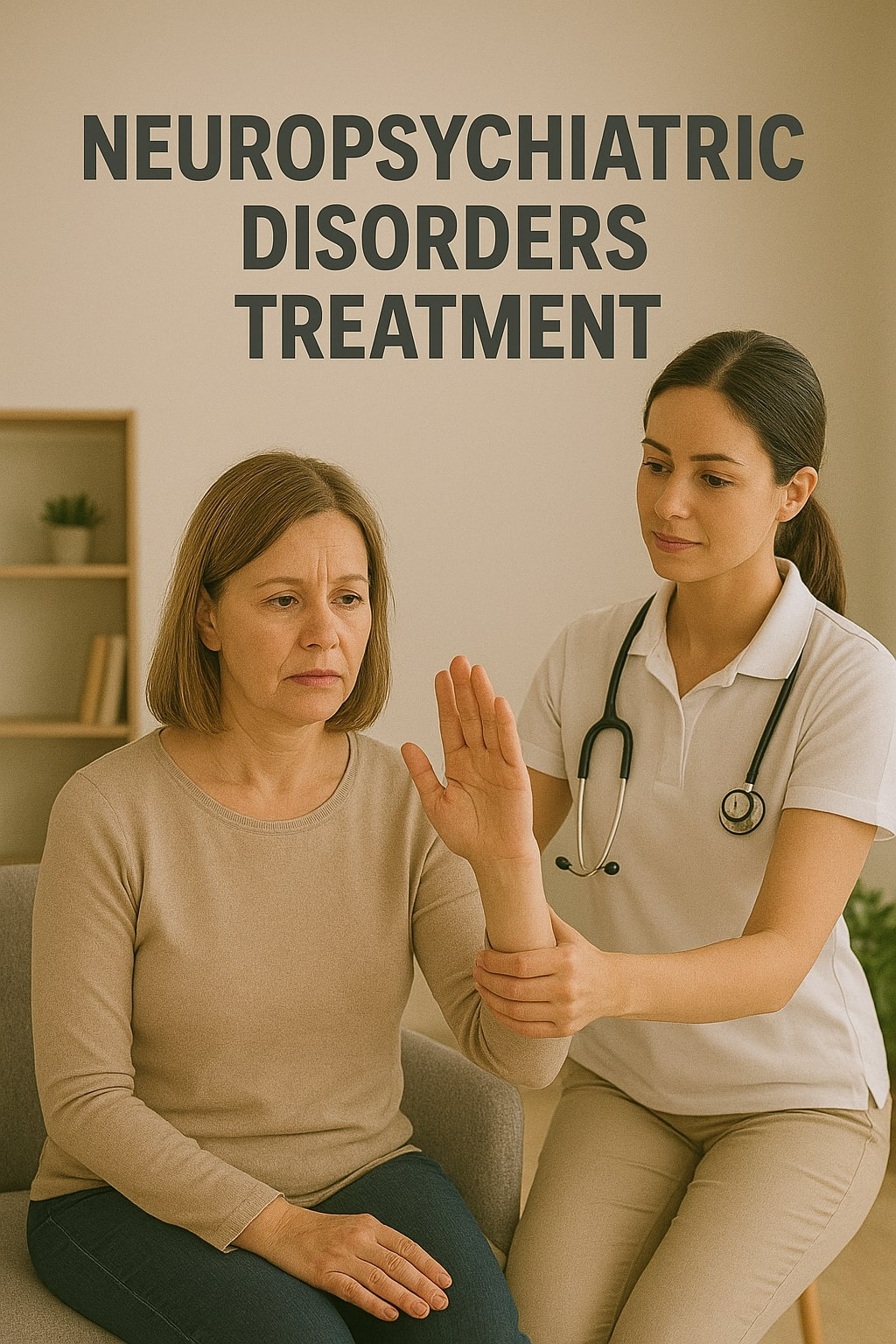
Recovering from a neuropsychiatric disorder is not a linear journey—it involves addressing both neurological and psychological challenges that affect daily life. These disorders, which include conditions like depression following a stroke, anxiety related to epilepsy, or behavioral changes due to dementia, require a personalized and multidisciplinary approach. The goal of treatment is not only to reduce symptoms but also to restore quality of life and functional independence.
Understanding the Journey of Recovery
Neuropsychiatric disorders disrupt the delicate equilibrium between brain function and mental well-being. They often manifest through a mix of cognitive impairment, emotional instability, and behavioral changes. Because these symptoms can overlap across multiple conditions, identifying the right path to recovery starts with accurate diagnosis.
Recovery is a holistic process that integrates medical, psychological, and social dimensions. It begins with stabilizing acute symptoms and gradually transitions to long-term management and rehabilitation. This continuum of care helps patients rebuild their confidence and regain control over their emotions, thoughts, and actions.
Comprehensive Diagnosis and Individualized Planning
Accurate diagnosis lays the foundation for effective treatment. Neurologists and psychiatrists work together to evaluate brain structure, function, and chemistry through imaging studies, neuropsychological assessments, and laboratory tests. This collaborative approach identifies the biological and emotional factors influencing the disorder.
Once diagnosed, a customized treatment plan is developed. This plan may include medications to regulate neurotransmitters, psychotherapy to address thought patterns, and rehabilitation to enhance cognitive and motor skills. Regular monitoring ensures that adjustments can be made as the patient’s condition evolves.
The Power of Rehabilitation and Therapy
Rehabilitation is a cornerstone of recovery from neuropsychiatric disorders. Cognitive rehabilitation helps improve memory, attention, and problem-solving abilities. Physical and occupational therapies assist in regaining independence in everyday tasks, especially for individuals recovering from neurological injuries.
Equally important is psychotherapy, which helps patients navigate emotional distress, trauma, or behavioral changes. Therapies such as cognitive-behavioral therapy (CBT) and mindfulness-based approaches teach coping mechanisms, reduce anxiety, and strengthen emotional resilience. These methods encourage patients to adopt healthier ways of thinking and responding to challenges.
The Role of Support Systems and Lifestyle Changes
Recovery does not occur in isolation. Family members, caregivers, and support groups play a vital role in creating a positive environment for healing. Educating caregivers about the condition and involving them in therapy sessions can greatly enhance treatment outcomes.
Lifestyle adjustments such as balanced nutrition, adequate sleep, physical activity, and stress management are equally essential. A structured daily routine, combined with social engagement and purposeful activities, promotes both neurological recovery and mental well-being.
Conclusion
Neuropsychiatric Disorders Treatment represents a transformative path toward recovery that addresses both the biological and emotional aspects of illness. With personalized care, continuous support, and evidence-based therapies, patients can achieve lasting improvement in mood, cognition, and behavior. Recovery is not merely about managing symptoms—it is about rebuilding lives, restoring independence, and rediscovering hope through the combined power of modern medicine and compassionate care.

 English
 Arabic
 French
 Spanish
 Portuguese
 Deutsch
 Turkish
 Italiano
 Russian
 Romaian
 Portuguese (Brazil)
 Greek
Greek
