


 Pro Benefits
 Sobre
Sobre
 Termos
 Privacidade
 Child Safety & Protection
 Notificações
 Ayrush Global It Services Pvt Ltd
Medial Patellofemoral Ligament Reconstruction Explained
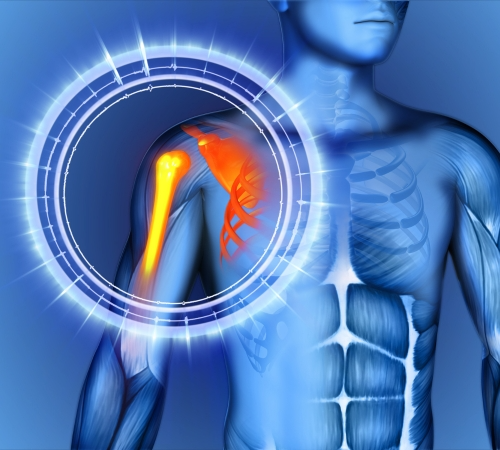
The knee is one of the most complex joints in the human body, comprising bones, cartilage, muscles, and ligaments that work together to provide stability and facilitate movement. Among these structures, the Medial Patellofemoral Ligament (MPFL) plays a crucial role in maintaining knee stability, particularly in preventing the patella (kneecap) from dislocating. When the MPFL is injured or weakened, it can lead to frequent dislocations, causing significant discomfort and long-term damage to the knee. This procedure aims to restore knee stability, prevent recurrent dislocations, and allow patients to return to an active lifestyle.
What is Medial Patellofemoral Ligament Reconstruction?
MPFL reconstruction is a surgical procedure that aims to restore the function of the medial patellofemoral ligament, which is located on the inner side of the knee. This ligament helps stabilise the patella and prevent it from moving out of its groove during motion. An injury or damage to the MPFL can cause the patella to slip out of place, resulting in dislocations.
- The MPFL reconstruction procedure involves using a tissue graft to replace the damaged ligament, allowing for proper knee alignment and function.
- The graft can be taken from the patient’s own tissue (autograft) or from a donor (allograft), depending on the individual’s needs and the recommendations of a shoulder specialist in Ahmedabad.
- The graft is then securely attached to the knee to restore the ligament’s function and prevent further dislocations.
Indications for MPFL Reconstruction
MPFL reconstruction is typically recommended for patients who have experienced recurrent patellar dislocations or instability. Some common conditions that may lead to MPFL injuries include:
- Patellar Dislocations: Recurrent or traumatic dislocations of the kneecap often occur due to damage to the Medial Patellofemoral Ligament (MPFL), leading to knee instability and pain.
- Knee Trauma: Injuries like fractures or ligament tears can lead to damage of the Medial Patellofemoral Ligament (MPFL), affecting knee stability and mobility.
- Congenital Conditions: Some individuals are born with anatomical traits, such as abnormal patella alignment or shallow grooves, which make them more susceptible to patellar dislocations.
MPFL reconstruction is often considered for younger, active patients, especially athletes, who are looking to return to high-impact activities. However, it can also benefit individuals who experience persistent knee instability despite conservative treatments like physical therapy.

The MPFL Reconstruction Procedure
Before undergoing MPFL reconstruction, patients must undergo a thorough evaluation, including imaging tests such as X-rays or MRIs to assess the extent of ligament damage and overall knee health.
The surgery itself is typically performed under general anesthesia and may take 1 to 2 hours. During the procedure, the surgeon makes small incisions around the knee to access the damaged MPFL. A graft is then carefully positioned to replace the damaged ligament, and it is fixed in place using screws or anchors.
Recovery and Rehabilitation Post-Surgery
After the surgery, patients will need to follow a structured rehabilitation plan to ensure proper healing and regain full knee functionality. The recovery process can be broken down into several stages:
- Immediate Post-Surgery: After the procedure, patients will be advised to rest and elevate the leg to reduce swelling. Pain management will be a key part of this phase, with medications prescribed to manage discomfort.
- Physiotherapy: Once the initial healing phase has passed, patients will begin physical therapy to restore mobility and strengthen the muscles around the knee. Exercises may include range-of-motion exercises, strengthening routines, and gradual weight-bearing activities.
- Full Recovery: Complete recovery can take several months, with most patients able to resume light activities within 4 to 6 weeks. However, returning to sports or high-impact activities may take up to 6 to 12 months.
Potential Risks and Complications of MPFL Reconstruction
Like any surgery, MPFL reconstruction carries certain risks. Some potential complications include:
- Infection: Like any surgery, there is a risk of infection at the incision site, which may require antibiotics or further treatment if it occurs.
- Blood Clots: Blood clots can develop, particularly in the early recovery stages, potentially leading to complications such as deep vein thrombosis if not managed properly.
- Graft Failure: Occasionally, the graft may fail to properly integrate with the knee, requiring additional surgery or procedures to ensure long-term stability.
- Knee Stiffness: Without proper rehabilitation, knee stiffness can develop, restricting mobility and flexibility, which may delay full recovery.
To minimise these risks, it is crucial to follow all post-surgery instructions, attend follow-up appointments, and undergo rehabilitation as recommended by the surgeon.
Benefits of MPFL Reconstruction
The primary benefit of MPFL reconstruction is restoring knee stability, preventing recurrent patellar dislocations, and improving the patient’s overall quality of life. Some of the long-term benefits include:
- Prevention of Further Dislocations: MPFL reconstruction stabilises the patella, significantly reducing the likelihood of future dislocations and enhancing overall knee stability.
- Return to Active Lifestyle: With a structured rehabilitation plan, most patients can return to sports and high-impact activities, regaining their previous mobility and strength.
- Pain Relief: The surgery effectively alleviates pain caused by recurrent patellar dislocations or knee instability, offering long-term comfort and improved function.
How to Choose the Right Surgeon for MPFL Reconstruction
Choosing the right surgeon for MPFL reconstruction is crucial to achieving a successful outcome. Patients should consider the following when selecting a surgeon:
- Experience: Look for an orthopedic doctor in Ahmedabad with extensive experience in knee surgeries, particularly MPFL reconstruction.
- Patient Reviews: Feedback from previous patients offers valuable insights into the surgeon’s expertise, technique, and overall bedside manner, helping to guide your decision.
- Consultation: Scheduling a consultation allows you to discuss the procedure in detail, ask relevant questions, and evaluate the surgeon’s approach to care and treatment.
At we specialise in advanced orthopedic care, ensuring every patient receives personalised treatment and a smooth recovery journey. Our team of experts is dedicated to providing the best possible outcomes for your knee health.
Conclusion
Medial Patellofemoral Ligament (MPFL) reconstruction is a crucial surgery for those experiencing recurrent knee dislocations. This procedure restores knee stability, alleviates pain, and enables patients to return to their active lifestyles with the right surgical intervention and a tailored rehabilitation plan. It’s important to consult an experienced orthopedic doctor to ensure the best outcomes. At Dr. Meet Mehta, we offer expert care, focusing on personalised treatment plans that help patients regain strength, mobility, and confidence, guiding them toward a full recovery and improved knee function.
 Portuguese (Brazil)
 English
 Arabic
 French
 Spanish
 Portuguese
 Deutsch
 Turkish
 Dutch
Dutch
 Italiano
 Russian
 Romaian
 Greek
Greek
