


 Pro Benefits
 About
About
 Terms
Terms
 Privacy
 Child Safety & Protection
 Notifications
 Ayrush Global It Services Pvt Ltd
iOptron Gear in Pakistan: Portable Precision Explained
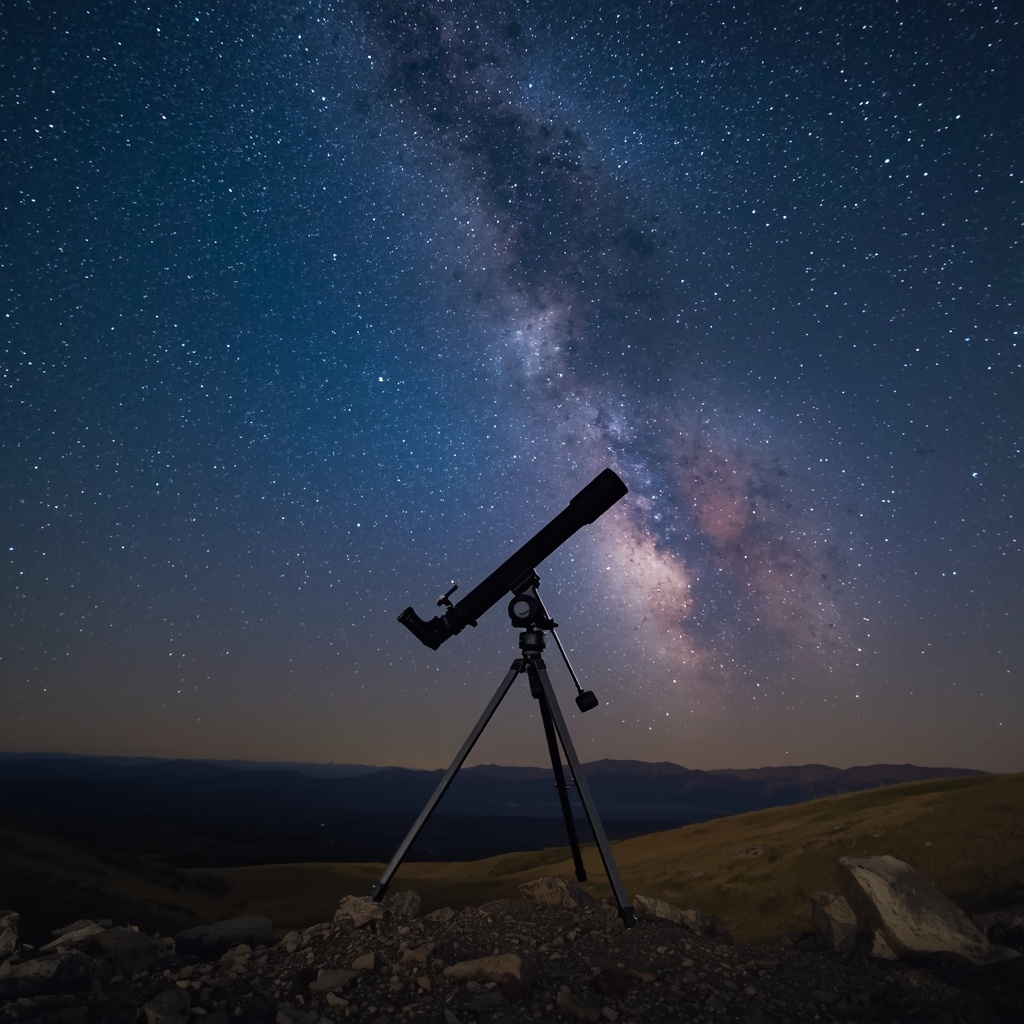
There's a particular kind of frustration that comes with lugging a heavy equatorial mount up a hillside just to catch a clear stretch of Milky Way, only to spend half the night fighting with polar alignment before you even take your first frame. iOptron exists largely to solve that exact problem — engineering mounts and optical tubes that don't force you to choose between portability and precision. Sky Deep brings the brand's full lineup into Pakistan through its iOptron collection, and it's a smaller, more focused range than some of the bigger brands, which honestly makes it easier to actually understand what each product does.
Quick but important detail before diving in: Sky Deep is the only authorized iOptron dealer in Pakistan. That means genuine stock, real manufacturer warranty, and zero unbranded Chinese substitutes sold under the name. For gear this precisely engineered, that kind of sourcing accountability is not optional — it's the difference between a mount that tracks accurately for years and one that quietly drifts out of spec with no support to fall back on.
Compact Equatorial Mounts Built for Real-World Portability
iOptron built its reputation on center-balanced equatorial mount designs, and the two flagship options in this collection show exactly why that matters. The iOptron CEM26 Equatorial Mount with AccuALign, 1.75" LiteRoc Tripod, and Hard Case is aimed at imagers who want a genuinely portable setup without giving up tracking accuracy — the AccuALign polar alignment system in particular cuts down the fiddly guesswork that usually eats into the first thirty minutes of any imaging session. It comes packaged with a proper tripod and hard case, which matters more than it sounds like when you're the one hauling gear up to a dark-sky spot outside the city.
Step up to the iOptron CEM40 and iPolar in Case with 1.5" Tripod and you get a higher payload capacity alongside the iPolar electronic polar scope, which essentially automates alignment through a built-in camera and software guidance rather than the manual star-hopping method older mounts require. For anyone running a heavier optical tube — say, a mid-size Newtonian or a longer refractor — this is where the extra headroom actually starts to matter.
Two Ritchey-Chrétien Tubes, Two Very Different Imaging Goals
The Photron line brings something genuinely useful to imagers chasing tight, coma-free stars: a proper Ritchey-Chrétien optical design, which has long been the gold standard for eliminating both coma and spherical aberration across the field. The iOptron Photron 150 RC OTA is the more compact of the two, well suited to imagers who want RC-quality star shapes without needing an oversized mount to carry it.
The iOptron Photron 200 RC OTA steps the aperture up considerably, pulling in more light and resolving finer detail on smaller, fainter targets like distant galaxies and planetary nebulae — the kind of subjects where extra aperture genuinely changes what's recoverable in post-processing. Pairing either tube with a mount rated well above its actual weight is generally the smarter move, since RC optics tend to be unforgiving of any vibration or flexure during long exposures.
For Solar and Lunar Fans, a Different Kind of Optical Tube
Not every imager is chasing faint deep-sky targets. If your interest leans toward high-contrast lunar craters or crisp planetary detail, the iOptron 150mm Maksutov Cassegrain OTA uses a Maksutov-Cassegrain design known for excellent contrast and a long effective focal length in a surprisingly compact tube. It's the kind of scope that rewards patience on a night of good seeing, pulling out lunar and planetary detail that wider, faster instruments often can't match.
Star Trackers: The Entry Point Most People Skip Past Too Quickly
Before committing to a full equatorial mount, plenty of astrophotographers start with something far simpler — a lightweight camera tracker that rides on a standard photo tripod. The iOptron SkyTracker Pro Camera Mount with Polar Scope - Black is exactly that: compact enough to travel with, simple enough to set up in minutes, and capable of tracking the night sky well enough for genuinely impressive wide-field Milky Way and constellation shots using nothing more than a DSLR and a regular camera lens. For anyone testing whether astrophotography is a hobby worth investing further in, this is a far more sensible starting point than jumping straight into a full imaging rig.
Guiding: The Unglamorous Part That Makes Long Exposures Possible
No mount, however well built, tracks with perfect accuracy over long exposures without some form of correction. That's where autoguiding comes in, and the iOptron iGuider Guiding Camera handles that job by continuously monitoring a guide star and feeding tiny correction signals back to the mount. It's not a flashy purchase, but it's often the single upgrade that turns streaky, disappointing star trails into clean, round points of light across a five-minute exposure.
What Buying Through an Authorized Dealer Actually Protects
Mounts and optical tubes at this level of precision are calibrated during manufacturing in ways that are genuinely difficult to verify just by looking at a product listing. A mount's tracking motor, gear mesh, and internal alignment all need to meet tight tolerances to perform the way iOptron's specs promise. Grey-market imports skip the accountability chain entirely — if a motor underperforms or a polar scope arrives miscalibrated, there's often no real path to resolution. Because Sky Deep sources directly as the authorized dealer, every purchase carries genuine warranty coverage and a support team that can actually troubleshoot the specific product you bought, not a generic script.
Not Sure Which Mount Fits Your Optical Tube?
Matching a mount's payload capacity to your telescope, camera, and accessories correctly is one of the most common mistakes new imagers make, and it's an expensive one to get wrong. Get in touch with the Sky Deep team before you order, describe what you're planning to mount and how you intend to use it, and they'll help you land on the right combination the first time instead of discovering a payload mismatch after your gear has already arrived.
Frequently Asked Questions
What makes iOptron mounts different from standard German equatorial mounts?
iOptron's center-balanced designs distribute weight more evenly around the mount's center, which generally makes them lighter, more compact, and quicker to set up compared to traditional counterweight-heavy GEM designs.
Is a star tracker like the SkyTracker Pro good enough for real astrophotography?
Yes, for wide-field targets like the Milky Way and star clusters using a DSLR and camera lens, a star tracker can produce genuinely excellent results, though it's not designed for high-magnification deep-sky imaging through a telescope.
Do I need a guiding camera with every iOptron mount?
It's not mandatory, but for exposures longer than a minute or two, a guiding camera like the iGuider significantly improves tracking accuracy and reduces star trailing.
Does Sky Deep offer warranty support on iOptron products in Pakistan?
Yes, as the only authorized iOptron dealer in the country, Sky Deep provides genuine manufacturer warranty coverage on every product in the range.
What's the advantage of a Ritchey-Chrétien optical tube like the Photron series?
RC optics correct for both coma and spherical aberration simultaneously, producing sharper, rounder stars across the full field of view compared to many standard reflector designs.
Rounding out your imaging setup? Sky Deep also carries Apertura, Askar, Celestron, Optolong, Sky-Watcher, and ZWO gear to complement your mount and optical tube.
 English
 Arabic
 French
 Spanish
 Portuguese
 Deutsch
 Turkish
 Dutch
Dutch
 Italiano
 Russian
 Romaian
 Portuguese (Brazil)
 Greek
Greek
