Hair restoration has become one of the most sought-after cosmetic procedures for people experiencing hair thinning or baldness. Among the available techniques, FUE Hair Transplant is highly regarded for its natural-looking results, minimal scarring, and relatively comfortable recovery. One of the most common questions patients ask before undergoing the procedure is whether anesthesia is required.
The answer is yes. A FUE Hair Transplant is typically performed using local anesthesia to ensure patient comfort throughout the procedure. Local anesthesia numbs the donor and recipient areas of the scalp, allowing the specialist to perform the treatment while the patient remains awake and relaxed. Understanding how anesthesia is used can help reduce anxiety and prepare patients for the experience.
What Is FUE Hair Transplant?
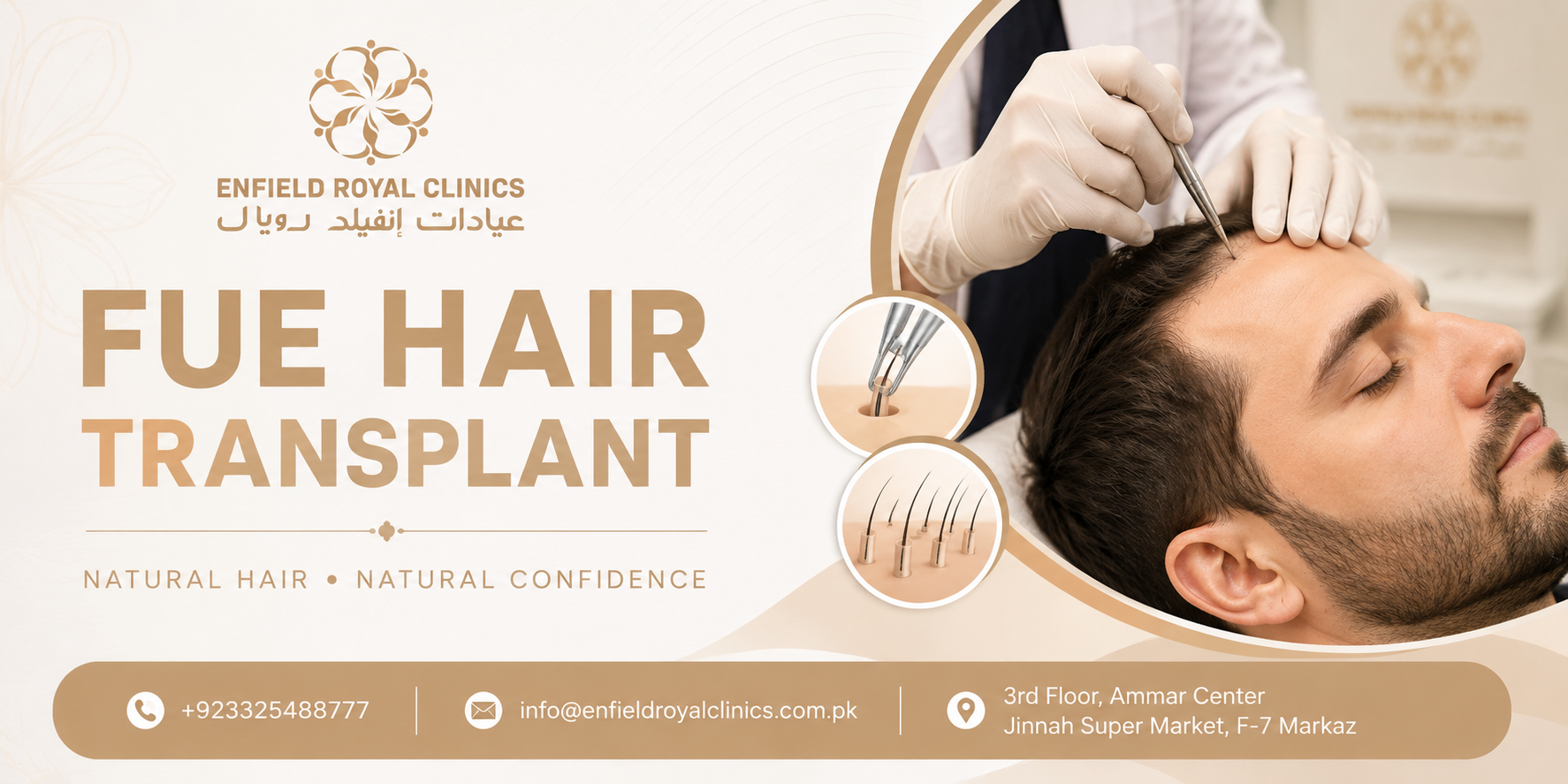
FUE Hair Transplant (Follicular Unit Extraction) is a modern hair restoration procedure that involves extracting individual hair follicles from a healthy donor area, usually the back or sides of the scalp. These follicles are then carefully implanted into areas affected by thinning or hair loss.
Because the follicles are removed one by one, the procedure is minimally invasive and does not require a large surgical incision. This technique allows for quicker healing, minimal visible scarring, and natural-looking hair growth.
Why Is Anesthesia Needed?
Although FUE is minimally invasive, it still involves creating tiny openings in the scalp for follicle extraction and implantation. Without anesthesia, these steps could cause discomfort.
Local anesthesia is used to:
- Minimize pain during the procedure
- Keep the patient comfortable
- Allow the specialist to work with precision
- Reduce unnecessary movement during treatment
The goal is to make the procedure as comfortable as possible while ensuring a safe treatment experience.
What Type of Anesthesia Is Used?
Most FUE Hair Transplant procedures are performed using local anesthesia.
Local anesthesia temporarily numbs specific areas of the scalp without affecting consciousness. Patients remain awake throughout the procedure and can communicate with the medical team if needed.
Unlike general anesthesia, local anesthesia does not cause the patient to lose consciousness, and recovery is usually much quicker.
Will You Feel Pain During the Procedure?
Once the local anesthesia has taken effect, most patients experience little to no pain during the procedure.
Some people may notice:
- Mild pressure
- Gentle pulling sensations
- Slight movement during follicle extraction
- Minor vibrations from surgical instruments
These sensations are generally not painful because the treated areas remain numb throughout the procedure.
What Does the Anesthesia Injection Feel Like?
The administration of local anesthesia is often the part patients are most concerned about.
Most individuals describe the injections as causing:
- A brief pinching sensation
- Mild stinging for a few seconds
- Temporary discomfort that quickly fades
Once the scalp becomes numb, the remainder of the procedure is usually much more comfortable.
How Long Does the Numbing Effect Last?
The duration of local anesthesia varies depending on the medication used and the individual patient.
The numbness generally lasts for several hours after the procedure. As the anesthesia gradually wears off, patients may notice mild soreness or tenderness around the donor and recipient areas.
Any discomfort during this stage is usually temporary and can often be managed by following the aftercare instructions provided by the specialist.
Is General Anesthesia Needed?
General anesthesia is not commonly required for a standard FUE Hair Transplant.
Since the procedure is performed on the scalp and is minimally invasive, local anesthesia is usually sufficient to keep patients comfortable.
General anesthesia may only be considered in rare situations if medically appropriate, but this is uncommon and depends on the clinic's protocols and the patient's individual circumstances.
Can You Stay Relaxed During the Procedure?
Yes. Most patients remain relaxed throughout the treatment.
During the procedure, many people:
- Listen to music
- Watch television
- Read
- Talk with the medical team
- Take short breaks if needed
Because patients remain awake, they can communicate comfortably throughout the session.
Is Anesthesia Safe?
Local anesthesia is widely used in many medical and dental procedures and is generally considered safe when administered by qualified healthcare professionals.
Before treatment, the specialist reviews your:
- Medical history
- Current medications
- Allergies
- Previous reactions to anesthesia
This assessment helps ensure the most appropriate approach for each patient.
Recovery After the Procedure
Once the treatment is complete, patients can usually return home on the same day.
As the numbness wears off, it is normal to experience:
- Mild tenderness
- Slight swelling
- Temporary redness
- Small scabs around the grafts
These effects are part of the normal healing process and gradually improve over the following days.
Following all aftercare instructions helps support a smooth recovery.
Tips for a Comfortable Experience
Patients can help ensure a positive treatment experience by:
- Getting enough sleep before the procedure
- Eating a light meal if advised
- Wearing comfortable clothing
- Following all pre-treatment instructions
- Informing the specialist about any medications or allergies
Good preparation contributes to a smoother procedure and recovery.
Conclusion
A FUE Hair Transplant typically requires local anesthesia to keep patients comfortable throughout the procedure. By numbing the donor and recipient areas of the scalp, local anesthesia allows the specialist to perform precise follicle extraction and implantation with minimal discomfort.
Most patients remain awake, relaxed, and comfortable during treatment, while recovery from the anesthesia is usually quick. Choosing an experienced hair restoration clinic and following all preparation and aftercare instructions helps ensure a safe procedure and supports natural-looking, long-lasting hair restoration results.



 Pro Benefits
 About
About
 Termeni
 Confidențialitate
 Child Safety & Protection
 Notificări
 Ayrush Global It Services Pvt Ltd
 Romaian

 English
 Arabic
 French
 Spanish
 Portuguese
 Deutsch
 Turkish
 Dutch
Dutch
 Italiano
 Russian
 Portuguese (Brazil)
 Greek
Greek