


 Pro Benefits
 About
About
 Terms
Terms
 Privacy
 Child Safety & Protection
 Notifications
 Ayrush Global It Services Pvt Ltd
Bedbug Control
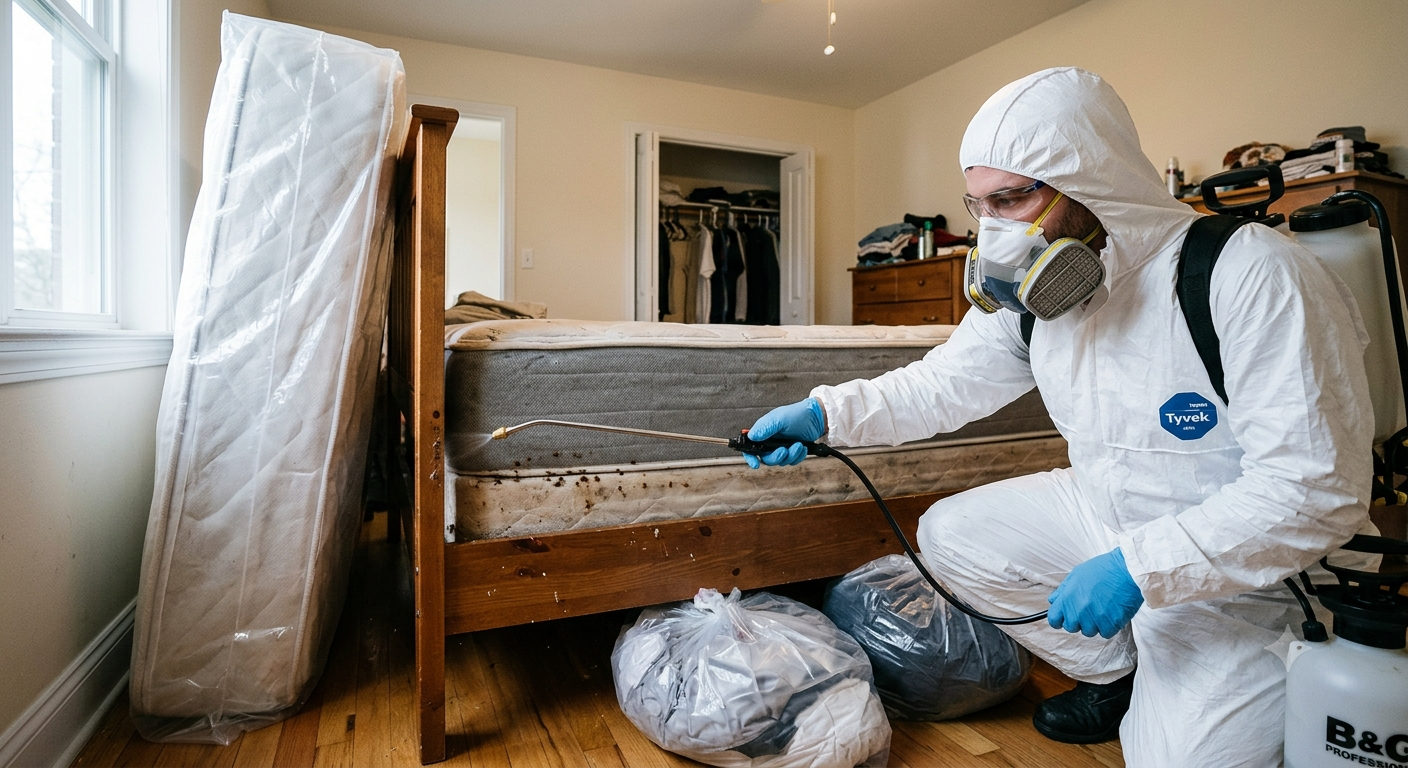
Bedbugs are among the most persistent household pests, causing discomfort, stress, and sleepless nights. These tiny, reddish-brown insects feed on human blood and are most active during the night. While they do not transmit diseases, their bites can lead to itching, allergic reactions, and emotional distress. Bedbug infestations can occur in homes, apartments, hotels, offices, dormitories, and even public transportation.
Controlling bedbugs requires patience, knowledge, and a combination of preventive and treatment methods. Simply spraying insecticides is often not enough because Bedbug Control are excellent at hiding and have developed resistance to many common pesticides. This comprehensive guide explains everything you need to know about bedbug control, including identification, causes of infestations, prevention strategies, treatment methods, and long-term solutions.
What Are Bedbugs?
Bedbugs (Cimex lectularius) are small, wingless insects that survive by feeding on the blood of humans and warm-blooded animals. Adult bedbugs are approximately the size of an apple seed, measuring about 5 to 7 millimeters in length. Their flat bodies allow them to hide in tiny cracks and crevices.
Bedbugs are usually found in:
- Mattresses and box springs
- Bed frames and headboards
- Furniture seams
- Carpets
- Curtains
- Electrical outlets
- Wall cracks
- Luggage
- Clothing
These pests are highly skilled hitchhikers and can easily spread from one location to another through bags, furniture, and personal belongings.
Signs of a Bedbug Infestation
Early detection is essential for effective bedbug control. Common signs include:
1. Bite Marks
Bedbug bites usually appear as small, red, itchy bumps arranged in clusters or straight lines. Although bite reactions vary from person to person, repeated bites are often the first noticeable symptom.
2. Blood Stains
Tiny blood spots on bed sheets or pillowcases may result from crushed bedbugs after feeding.
3. Dark Fecal Spots
Bedbugs leave behind small black or brown droppings on mattresses, bedding, and furniture.
4. Shed Skins
As bedbugs grow, they shed their outer shells. Finding these pale, empty skins indicates an active infestation.
5. Live Bedbugs
Adult bedbugs, nymphs, and eggs may be visible in mattress seams, furniture joints, or cracks near sleeping areas.
6. Musty Odor
Large infestations may produce a sweet, musty smell caused by bedbug scent glands.
How Do Bedbugs Spread?
Contrary to popular belief, bedbugs are not attracted to dirty homes. They are attracted to people because they feed on blood.
Common ways bedbugs spread include:
- Traveling with luggage after staying in hotels
- Purchasing secondhand furniture
- Moving infested mattresses
- Sharing clothing or bedding
- Living in apartment buildings where bedbugs travel between units
- Visiting infested locations
Even clean and well-maintained homes can experience bedbug infestations.
Health Risks Associated with Bedbugs
Although bedbugs are not known to transmit diseases, they can still affect health in several ways:
- Persistent itching
- Skin irritation
- Allergic reactions
- Secondary skin infections from scratching
- Anxiety and stress
- Sleep disturbances
- Emotional discomfort
For many people, the psychological impact of a bedbug infestation can be as serious as the physical symptoms.
Bedbug Prevention Tips
Preventing bedbugs is much easier than eliminating them. Follow these preventive measures:
Inspect Hotel Rooms
Before unpacking, inspect the mattress seams, headboard, and furniture for signs of bedbugs.
Keep Luggage Elevated
Avoid placing luggage directly on hotel beds or floors. Use luggage racks whenever possible.
Wash Clothes After Traveling
Wash all travel clothing in hot water and dry on high heat immediately after returning home.
Inspect Secondhand Furniture
Carefully examine used mattresses, couches, chairs, and wooden furniture before bringing them indoors.
Reduce Clutter
Clutter provides countless hiding places for bedbugs. Keeping your home organized makes inspections easier.
Vacuum Regularly
Vacuum mattresses, carpets, furniture, and cracks frequently to remove insects and eggs.
Seal Cracks
Seal gaps around walls, baseboards, and furniture to eliminate potential hiding spots.
Use Mattress Encasements
Protective mattress covers designed for bedbugs trap existing insects and prevent new infestations.
Effective Bedbug Control Methods
Successful bedbug control usually requires multiple treatment methods.
Thorough Inspection
Begin by inspecting all bedrooms and nearby furniture carefully. Focus on:
- Mattress seams
- Bed frames
- Headboards
- Furniture joints
- Carpets
- Curtains
- Electrical outlets
Identifying all hiding places increases treatment success.
Vacuuming
Vacuum all affected areas thoroughly, including:
- Mattresses
- Box springs
- Floors
- Upholstered furniture
- Baseboards
Dispose of the vacuum bag immediately in a sealed plastic bag.
Washing and Heat Treatment
Heat is one of the most effective bedbug killers.
Wash:
- Bedding
- Curtains
- Clothing
- Pillow covers
- Blankets
Dry them at high temperatures for at least 30 minutes to kill bedbugs and eggs.
Steam Cleaning
Steam reaches temperatures high enough to eliminate bedbugs hidden deep inside furniture, mattresses, and carpets.
Professional-grade steam cleaners provide excellent results.
Freezing
Certain belongings can be placed in a freezer at 0°F (-18°C) for several days to kill bedbugs.
Mattress Encasements
Special bedbug-proof mattress encasements trap existing insects and prevent future infestations.
Keep encasements sealed for at least one year because bedbugs can survive several months without feeding.
Insecticides
Professional insecticides may help reduce infestations.
Common formulations include:
- Residual sprays
- Dust insecticides
- Aerosols
Always follow product instructions carefully and avoid overusing pesticides.
Professional Bedbug Extermination
Large infestations often require professional pest control services.
Professionals use advanced treatment methods such as:
Heat Treatment
Whole-room heat treatments raise temperatures high enough to kill bedbugs in all life stages.
Chemical Treatments
Licensed technicians apply specialized insecticides safely and effectively.
Integrated Pest Management (IPM)
Integrated Pest Management combines:
- Inspection
- Monitoring
- Heat treatment
- Steam treatment
- Targeted pesticide application
- Prevention strategies
IPM is considered one of the most effective approaches for long-term bedbug control.
Common Mistakes to Avoid
Many homeowners unintentionally make infestations worse.
Avoid these mistakes:
- Throwing away mattresses too early
- Moving infested furniture into clean rooms
- Using excessive pesticides
- Ignoring small infestations
- Skipping follow-up inspections
- Assuming one treatment is enough
Bedbug eggs may hatch after treatment, making repeated inspections necessary.
Natural Remedies for Bedbug Control
Some people prefer natural methods to supplement professional treatments.
Popular options include:
Diatomaceous Earth
This natural powder damages the protective coating of bedbugs, causing dehydration.
Steam
Steam effectively kills bedbugs without chemicals.
High Heat
Heat remains one of the safest and most effective natural control methods.
Essential Oils
Some essential oils may repel bedbugs temporarily, but they should not replace proven treatment methods.
Natural remedies work best as part of a comprehensive pest management strategy.
How Long Does It Take to Eliminate Bedbugs?
The time required depends on:
- Infestation size
- Treatment method
- Home layout
- Follow-up inspections
- Cooperation of occupants
Small infestations may be eliminated within a few weeks, while severe infestations may require multiple professional treatments over several months.
Consistency is essential for complete eradication.
Long-Term Bedbug Prevention
After eliminating bedbugs, continue preventive measures:
- Inspect sleeping areas regularly.
- Vacuum frequently.
- Minimize household clutter.
- Monitor beds with interceptor traps.
- Inspect luggage after travel.
- Avoid bringing used mattresses indoors.
- Educate family members about early warning signs.
- Schedule professional inspections if necessary.
Ongoing vigilance significantly reduces the chance of future infestations.
 English
 Arabic
 French
 Spanish
 Portuguese
 Deutsch
 Turkish
 Dutch
Dutch
 Italiano
 Russian
 Romaian
 Portuguese (Brazil)
 Greek
Greek
