


 Pro Benefits
 About
About
 Terms
Terms
 Privacy
 Child Safety & Protection
 Notifications
 Ayrush Global It Services Pvt Ltd
Everything You Should Know Before Getting Liposuction
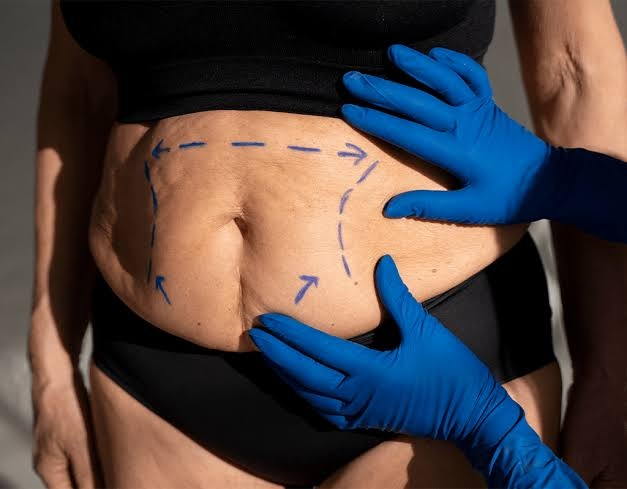
If you have been struggling with stubborn fat that does not respond to diet and exercise, liposuction in Islamabad may be an option worth considering. This cosmetic procedure has helped many people achieve a more sculpted body by removing localized fat deposits. However, before deciding to undergo treatment, it is important to understand how the procedure works, who it is suitable for, and what you can expect before and after surgery.
This guide covers everything you should know before getting liposuction so you can make an informed decision.
What Is Liposuction?
Liposuction is a cosmetic surgery designed to remove excess fat from specific areas of the body. It is not a weight-loss procedure but rather a body contouring treatment that reshapes areas where fat tends to be resistant to healthy lifestyle changes.
Common treatment areas include:
- Abdomen
- Waist and flanks
- Thighs
- Hips
- Buttocks
- Arms
- Back
- Chin and neck
The goal is to improve body proportions and create a more balanced appearance.
Who Is a Good Candidate for Liposuction?
Not everyone is an ideal candidate for liposuction. The best results are typically seen in people who:
- Are close to their ideal body weight
- Have stubborn fat pockets that do not respond to exercise
- Have good skin elasticity
- Are in good overall health
- Do not smoke or are willing to stop before surgery
- Have realistic expectations about the results
A consultation with a qualified cosmetic surgeon is essential to determine whether liposuction is the right option for you.
What Liposuction Can and Cannot Do
Understanding the limitations of liposuction is just as important as understanding its benefits.
Liposuction Can:
- Remove localized fat deposits
- Improve body contours
- Enhance body proportions
- Boost self-confidence
- Complement a healthy lifestyle
Liposuction Cannot:
- Replace healthy eating and exercise
- Treat obesity
- Remove cellulite
- Tighten severely loose skin
- Prevent future weight gain
Maintaining healthy habits after surgery is essential for long-lasting results.
Preparing for Liposuction
Proper preparation helps improve both safety and recovery.
Before surgery, your surgeon may recommend:
- A complete medical evaluation
- Blood tests
- Reviewing your current medications
- Stopping smoking several weeks before surgery
- Avoiding blood-thinning medications if advised
- Arranging transportation home after the procedure
- Preparing a comfortable recovery area
Following all pre-operative instructions carefully helps reduce the risk of complications.
How the Procedure Is Performed
Liposuction is usually performed under local anesthesia with sedation or general anesthesia, depending on the treatment area and the amount of fat being removed.
During the procedure:
- Small incisions are made in the treatment area.
- A thin tube called a cannula is inserted beneath the skin.
- Fat cells are loosened and gently suctioned out.
- The incisions are closed after the desired contour is achieved.
The procedure may take one to several hours, depending on the number of areas being treated.
What Recovery Is Like
Recovery varies from person to person, but most patients can expect:
- Mild swelling and bruising
- Temporary soreness
- Wearing compression garments for several weeks
- Limited physical activity during the early recovery period
- Gradual improvement as swelling decreases
Many individuals return to desk work within a few days, while more strenuous activities usually require several weeks of healing.
When Will You See Results?
Some improvement can be noticeable once the initial swelling begins to subside.
However, the final results generally become visible after several months when the tissues have fully healed. Patience is important because the body needs time to adjust to its new shape.
Possible Risks and Complications
Like any surgical procedure, liposuction carries certain risks.
These may include:
- Swelling
- Bruising
- Temporary numbness
- Infection
- Fluid accumulation
- Uneven contours
- Scarring
- Rare anesthesia-related complications
Choosing an experienced and qualified surgeon significantly reduces these risks.
Tips for Maintaining Your Results
Liposuction permanently removes fat cells from treated areas, but remaining fat cells can still enlarge if you gain weight.
To preserve your results:
- Eat a balanced diet
- Exercise regularly
- Stay hydrated
- Maintain a stable weight
- Follow your surgeon's post-operative instructions
- Attend scheduled follow-up appointments
Healthy lifestyle habits are the key to enjoying long-lasting improvements.
Questions to Ask During Your Consultation
Before scheduling surgery, consider asking your surgeon:
- Am I a suitable candidate for liposuction?
- Which areas can be treated?
- What technique do you recommend?
- What results can I realistically expect?
- What risks should I be aware of?
- How long will recovery take?
- What should I do before and after surgery?
- How can I maintain my results?
Having clear answers to these questions will help you feel more confident about your decision.
Final Thoughts
Liposuction can be an effective body contouring procedure for individuals looking to eliminate stubborn fat that has not responded to diet and exercise. While it offers noticeable improvements in body shape, the best outcomes depend on careful patient selection, realistic expectations, and a commitment to maintaining a healthy lifestyle after surgery.
By understanding the procedure, preparing properly, and choosing a qualified cosmetic surgeon, you can approach your liposuction journey with confidence and make an informed decision that supports your aesthetic goals.
 English
 Arabic
 French
 Spanish
 Portuguese
 Deutsch
 Turkish
 Dutch
Dutch
 Italiano
 Russian
 Romaian
 Portuguese (Brazil)
 Greek
Greek
