


 Pro Benefits
 About
About
 Terms
Terms
 Privacy
 Child Safety & Protection
 Notifications
 Ayrush Global It Services Pvt Ltd
How Patient Positioning Gel Pads Protect You During Surgery
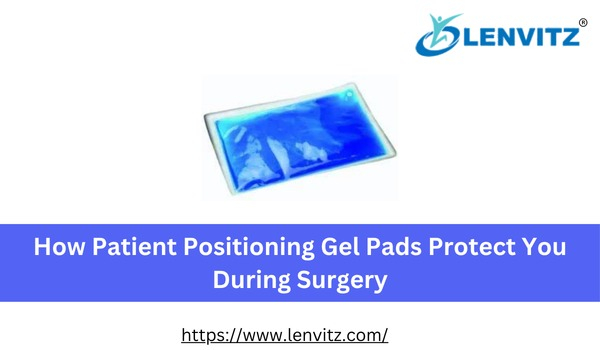
When preparing for a surgical procedure, most people think about the surgeon, the anesthesia, or the recovery timeline. However, one essential element of surgical safety happens quietly right beneath the patient: body support and pressure relief. During long operations, remaining completely stationary on a firm surface can place severe stress on the body. This is where modern medical gel pads play a crucial, life-saving role in operating rooms worldwide.
What Are Medical Gel Pads and How Do They Work?
Surgical positioners are specialized cushions designed to support a patient's body during medical procedures. Unlike standard foam or air cushions, high-density silicon gel pads mimic human tissue density. They conform dynamically to the patient's natural body contours, distributing weight evenly across the surface rather than concentrating pressure on specific bony prominences like hips, elbows, or heels.
The Science Behind Pressure Redistribution
When a person lies immobile under anesthesia for hours, prolonged pressure on specific body areas restricts blood circulation. This reduced capillary blood flow can cause tissue damage, nerve compression, or pressure ulcers (commonly known as bedsores). Advanced gel pads eliminate high-pressure hotspots by dispersing shear forces and pressure across a wider surface area.
Why Hospitals Use OT Table Positioning Gel Pads During Surgery
Operating room (OR) tables are designed for stability, access, and hygiene—not plush comfort. Without adequate padding, prolonged contact with an operating table can lead to postoperative soreness or tissue injury. High-quality ot table positioning gel pads transform rigid surgical tables into safe, supportive environments for patients undergoing complex procedures.
Key Benefits for Patient Safety and Recovery
-
Nerve Protection: Prevents brachial plexus injuries, peroneal nerve damage, and numbness caused by nerve pinching during extended operations.
-
Temperature Stability: Medical-grade silicone gel maintains a stable temperature, preventing extreme heat build-up or cold exposure.
-
Skin Integrity: High shear-reduction properties prevent skin tearing or abrasion when adjusting or re-positioning patients.
-
Hygiene & Durability: Non-porous surfaces prevent fluid absorption, making them easy to disinfect and reuse safely across surgical cases.
Types of Silicon Gel Pads Used in Operating Rooms
Surgical teams select specific Patient Positioning Gel Pads depending on the operation type and required patient posture (supine, prone, lateral, or lithotomy):
-
Head & Neck Positioners: Doughnut-shaped or contoured headrests that cradle the head, stabilize the cervical spine, and protect the eyes and ears.
-
Torso & Arm Supports: Flat chest pads, armboard overlays, and lateral positioners that protect peripheral nerves in the arms and shoulders.
-
Lower Extremity Pads: Heel protectors, stirrup pads, and knee cradles designed to support leg alignment and prevent deep tissue pressure points.
Ensuring Safer Outcomes in Modern Surgery
Surgical excellence goes far beyond the incision itself—it requires total patient care from head to toe. By incorporating specialized Patient Positioning Gel Pads and ot table positioning gel pads, healthcare providers significantly reduce the risk of surgical pressure injuries and nerve complications. Whether you are a healthcare practitioner upgrading OR equipment or a patient preparing for an upcoming procedure, understanding the role of medical-grade silicon gel pads offers peace of mind that safety is prioritized at every stage of care.
 English
 Arabic
 French
 Spanish
 Portuguese
 Deutsch
 Turkish
 Dutch
Dutch
 Italiano
 Russian
 Romaian
 Portuguese (Brazil)
 Greek
Greek
