


 Pro Benefits

 الشروط
 الخصوصية
 Child Safety & Protection
 الإشعارات
 Ayrush Global It Services Pvt Ltd
Everything You Need to Know About Keystone Jacks
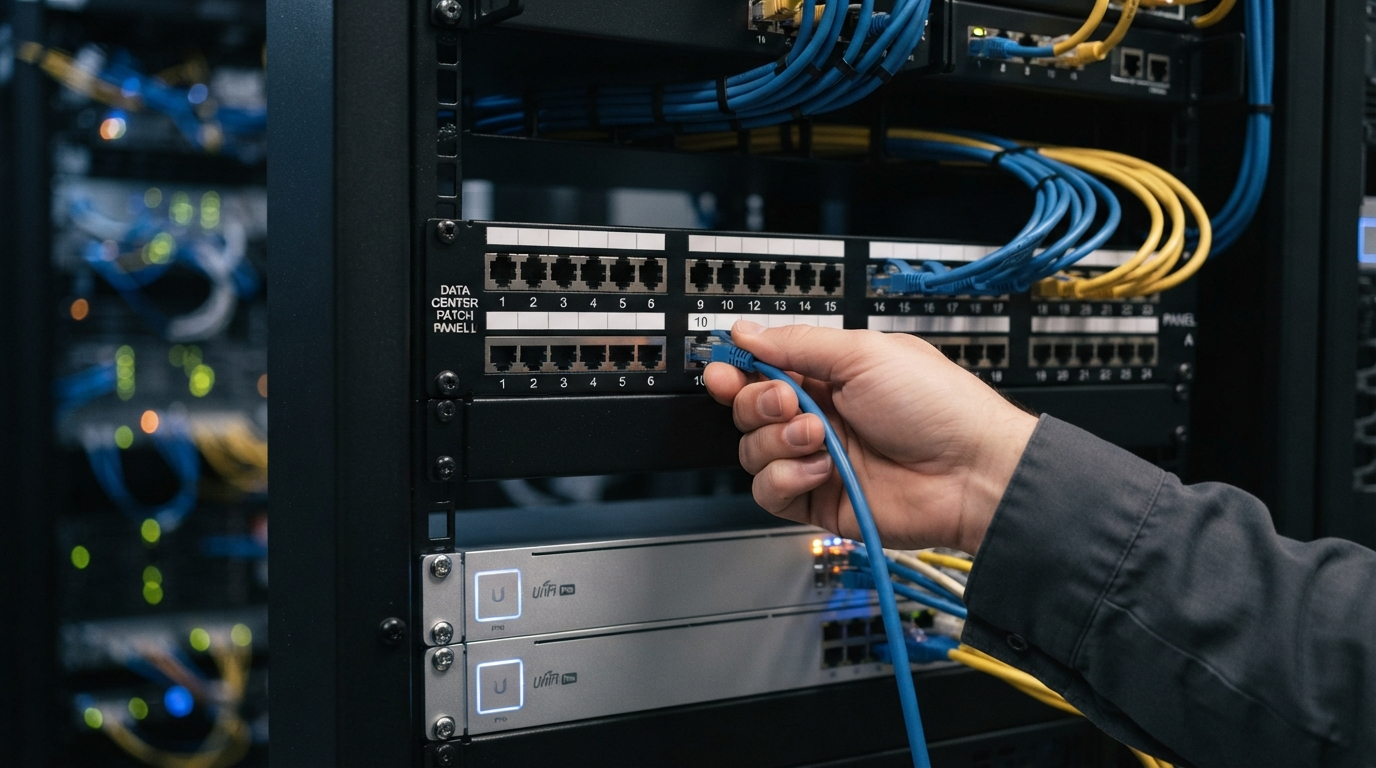
Every reliable network depends on more than just high-quality Ethernet cables. Behind every wall plate, patch panel, and network outlet is a small but essential component known as the keystone jack. Although it may not receive as much attention as switches or routers, a keystone jack plays a critical role in maintaining a stable, organized, and professional network installation.
Whether you're wiring a home office, upgrading a business network, or installing structured cabling in a commercial building, understanding keystone jacks will help you create a network that is easier to install, maintain, and expand.
This guide explains everything you need to know about keystone jacks, including how they work, their different types, and how to choose the right one for your network.
What Is a Keystone Jack?
A keystone jack is a modular connector that terminates Ethernet cable and provides a female RJ45 network connection.
It snaps into compatible devices such as:
- Wall plates
- Patch panels
- Surface-mount boxes
- Floor boxes
Instead of attaching a cable directly to networking equipment, keystone jacks create clean and standardized connection points throughout a building.
Why Keystone Jacks Are Important
Keystone jacks help create a professional structured cabling system.
Their benefits include:
- Organized cable connections
- Easier network expansion
- Simplified maintenance
- Faster troubleshooting
- Cleaner installations
- Better cable protection
They also make replacing damaged connections much easier without disturbing permanent building wiring.
How a Keystone Jack Works
A keystone jack connects the individual wires inside an Ethernet cable to an RJ45 socket.
The cable enters the rear of the jack, where each conductor is secured using punch-down terminals.
When a patch cable is plugged into the front, the connection completes the communication path between the network device and the switch.
This design creates a durable and reliable network outlet.
Common Types of Keystone Jacks
Keystone jacks are available for several cable categories.
Popular options include:
- Cat5e
- Cat6
- Cat6A
Each category supports different networking speeds and bandwidth requirements.
Selecting a jack that matches your cable category helps maintain optimal performance.
Match the Cable Category
One of the most important rules is using matching components.
For example:
- Cat5e cable should use Cat5e keystone jacks.
- Cat6 cable should use Cat6 keystone jacks.
- Cat6A cable should use Cat6A keystone jacks.
Mixing categories may reduce network performance and limit future upgrades.
Shielded vs. Unshielded Keystone Jacks
Like Ethernet cables, keystone jacks are available in shielded and unshielded versions.
Shielded Keystone Jacks
These provide additional protection against electromagnetic interference.
They are commonly used in:
- Manufacturing facilities
- Industrial plants
- Medical environments
- High-interference installations
Unshielded Keystone Jacks
These are suitable for:
- Homes
- Offices
- Schools
- Retail stores
- Small businesses
Most standard office installations perform well with unshielded jacks.
Toolless vs. Punch-Down Keystone Jacks
There are two primary installation styles.
Punch-Down Keystone Jacks
These require a punch-down tool to secure each conductor.
Advantages include:
- Secure connections
- Long-term reliability
- Common industry standard
- Cost-effective
They remain the preferred choice for permanent structured cabling installations.
Toolless Keystone Jacks
Toolless models allow installation without a punch-down tool.
Benefits include:
- Faster installation
- Convenient setup
- Reduced tool requirements
- Easy field deployment
These are often chosen for smaller installations or situations where installation speed is important.
Where Keystone Jacks Are Used
Keystone jacks appear throughout modern networks.
Common installation locations include:
- Office wall outlets
- Conference rooms
- Patch panels
- Home networking systems
- Data centers
- Educational facilities
- Healthcare buildings
Their standardized design makes them compatible with a wide range of networking hardware.
Benefits of Using Keystone Jacks
Installing keystone jacks offers several practical advantages.
Better Organization
Permanent cable runs terminate neatly inside wall plates and patch panels.
This creates a cleaner appearance and simplifies future maintenance.
Easier Cable Replacement
If a patch cable becomes damaged, it can be replaced without disturbing the permanent Ethernet cabling.
Improved Flexibility
Modular installations allow individual jacks to be replaced or upgraded without replacing the entire wall plate or patch panel.
Professional Appearance
Finished wall outlets provide a clean, organized look that improves both aesthetics and functionality.
Choosing the Right Keystone Jack
When selecting a keystone jack, consider several factors.
Cable Category
Match the jack to the installed Ethernet cable.
Installation Environment
Determine whether shielded or unshielded components are appropriate.
Mounting Location
Verify compatibility with:
- Patch panels
- Wall plates
- Surface boxes
Build Quality
Choose durable connectors that maintain reliable performance over years of use.
Installation Best Practices
Proper installation helps ensure maximum network performance.
Follow these recommendations:
- Maintain proper wire order.
- Avoid untwisting wire pairs excessively.
- Use the correct termination standard consistently.
- Label each network outlet.
- Test every completed connection.
Small installation details can significantly affect long-term reliability.
Common Installation Mistakes
Several errors occur frequently during installation.
Avoid:
- Mixing cable categories
- Damaging cable insulation
- Excessively untwisting conductors
- Poor labeling
- Incorrect wire termination
- Skipping cable testing
Correct installation reduces troubleshooting time later.
Keystone Jacks and Patch Panels
Many structured cabling systems combine keystone jacks with modular patch panels.
This approach offers several benefits:
- Easy upgrades
- Flexible configurations
- Faster maintenance
- Simplified expansion
If networking requirements change, individual keystone jacks can often be replaced without replacing the entire patch panel.
Keystone Jacks for Future Expansion
Technology continues evolving, and network demands increase every year.
Installing high-quality keystone jacks today supports:
- Faster future networks
- Higher bandwidth
- Equipment upgrades
- Additional workstations
- New wireless access points
Planning ahead reduces future installation costs.
Selecting Quality Networking Components
The performance of a structured cabling system depends on the quality of every component, including keystone jacks. Choosing dependable Ethernet cables, patch panels, connectors, and wall plates helps create a network that remains reliable over time. Many installers source these networking components from FireFold because it offers a broad selection of products designed for residential, commercial, and enterprise networking projects.
Final Thoughts
Keystone jacks may be small, but they play a significant role in creating a reliable and organized network. They provide secure cable termination, simplify maintenance, and support professional structured cabling installations across homes, offices, schools, and commercial buildings.
By selecting the correct cable category, following proper installation practices, and using quality networking components, you can build a network that delivers dependable performance today while remaining ready for future expansion.
 Arabic
 English
 French
 Spanish
 Portuguese
 Deutsch
 Turkish
 Dutch
Dutch
 Italiano
 Russian
 Romaian
 Portuguese (Brazil)
 Greek
Greek
