


 Pro Benefits
 About
About
 Terms
Terms
 Privacy
 Child Safety & Protection
 Notifications
 Ayrush Global It Services Pvt Ltd
Zero-Waste Facility Operations: Implementing Sustainable Commercial Cleaning Models
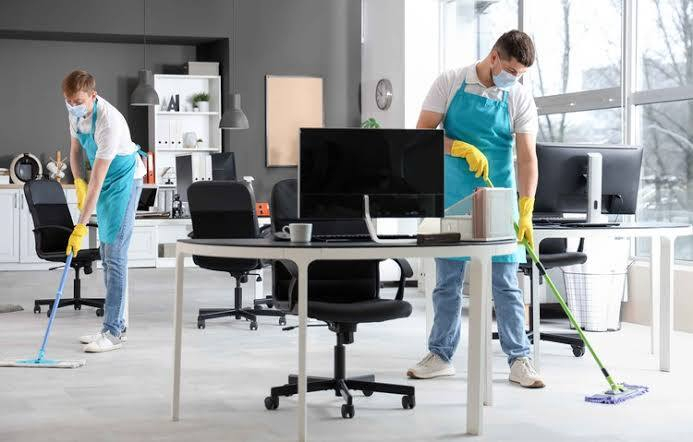
As corporate sustainability shifts from a peripheral branding strategy to a core business mandate, commercial real estate operators are critically evaluating their environmental footprints. While energy efficiency and carbon accounting dominate C-suite discussions, solid waste generation remains a persistent operational challenge. Facilities generate massive volumes of plastic packaging, single-use paper goods, and hazardous chemical runoff through daily maintenance. Achieving zero-waste facility operations requires a fundamental overhaul of traditional janitorial practices in favour of circular, closed-loop systems—specifically within commercial cleaning.
Transitioning to a zero-waste framework demands more than swapping out standard trash bags for recycled alternatives. It requires an end-to-end restructuring of supply chains, chemical dispensing, and custodial workflows to eliminate material loss at every stage of building upkeep.
The Environmental Imperative of Zero-Waste Building Upkeep
Traditional property care relies heavily on linear consumption: raw resources are extracted, packaged into single-use items, utilised briefly, and sent to landfills. Conventional maintenance programmes generate tonnes of plastic jug waste, single-use paper towels, and non-biodegradable synthetic wipes annually. Furthermore, non-concentrated chemical formulations require thousands of gallons of water to transport, driving up supply chain carbon emissions.
By adopting zero-waste facility models, enterprise organisations systematically target these waste streams at the source. Zero-waste standards, typically defined as diverting 90% or more of waste from landfills and incinerators, allow facility managers to conserve natural resources, lower utility spend, and directly support corporate Environmental, Social and Governance (ESG) performance targets.
Closed-Loop Supply Chains and Concentrate Dispensing Systems
Eliminating physical waste begins long before cleaning staff step onto the building floor; it starts at product procurement. Single-use plastic bottles represent one of the largest discarded material categories in facility operations
To overcome this issue, modern sustainable sanitation systems rely on closed-loop chemical dispensing. These wall-mounted systems dilute ultra-concentrated formulas automatically using local water lines, feeding reusable, colour-coded bottles or automated floor scrubbing machinery.
Zero-Waste Packaging Strategy:
-
Closed-Loop Drums: Chemical manufacturers collect, sanitise, and refill bulk concentrate containers, creating a 100% circular container lifecycle.
-
Waterless Dissolvable Pods: Concentrated active cleaning agents packaged in bio-based, water-soluble films eliminate rigid plastic packaging entirely.
-
On-Site Generation (OSG): Electrochemical activation (ECA) technology transforms tap water and salt into effective, non-toxic cleaning and sanitising solutions on-site, removing packaged chemicals from the supply chain altogether.
Microfiber Ecosystems and Paper Discard Reduction
Paper towel disposal accounts for up to 40% of uncycled commercial washroom waste. In office spaces and operational corridors, single-use paper towels and disposable dusting sheets further compound landfill volume. A zero-waste commercial facility care model replaces single-use paper items with high-grade, reusable microfibre ecosystems.
Advanced microfibre materials capture over 99% of surface bacteria and micro-particulates using minimal water or chemical intervention. When paired with high-efficiency laundering equipment and microplastic-capture filtration, a single set of microfibre cloths can be washed and reused over 500 times.
For enterprise portfolio managers seeking to minimise their ecological footprint, executing an audited, sustainable commercial cleaning framework transforms daily operations into an active asset for tenant acquisition, occupant health, and corporate environmental compliance.
Optimizing Operational Workflows and Waste Diversion Audits
Establishing a zero-waste environment requires precise alignment between facility management software, custodial staff, and waste haulers. Technology plays a central role in measuring progress and identifying lingering waste streams.
This operational optimisation relies on three primary phases: first, source separation and reduction through closed-loop concentrates and reusable microfibre; second, real-time smart collection powered by IoT sensor alerts that prevent bin overflows; and third, advanced waste stream audits utilizing digital logging to track landfill diversion metrics.
IoT-enabled waste bins equipped with volume sensors prevent premature bag changes, ensuring liners are only disposed of when filled to capacity. Concurrently, routine waste audits categorise discards to isolate contamination sources in recycling and organic composting streams.
Partnering with a specialised commercial cleaning provider ensures that frontline cleaning teams are fully certified in waste segregation procedures. Properly trained janitorial personnel act as the final defence in waste diversion, preventing recyclable materials from entering general waste compactors.
Financial ROI of Sustainable Facility Upkeep
While sustainability is often perceived as an added expense, zero-waste operations frequently generate significant financial savings over time. Eliminating single-use paper products, reducing chemical shipping weight, and lowering municipal landfill tipping fees directly lower recurring facility operating costs.
Transitioning chemical procurement from ready-to-use bottles to on-site dilution or OSG units can reduce chemical spend by up to 70%. Similarly, shifting from disposable paper wipers to launderable microfiber systems drastically lowers monthly consumable costs, while achieving over 90% landfill diversion reduces municipal waste hauling fees and avoids non-compliance penalties.
Additionally, green buildings equipped with certified zero-waste maintenance protocols command higher lease rates, achieve elevated tenant satisfaction scores, and qualify for valuable points under LEED v4.1 and WELL Building Standards.
Conclusion
The shift toward zero-waste facility operations marks a permanent change in how enterprise real estate is maintained. Moving away from single-use products, toxic chemical runoff, and linear supply chains is no longer just an environmental ideal; it is a smart, fiscally responsible management strategy.
By integrating closed-loop procurement, reusable cleaning systems, and data-backed waste diversion audits, facility leaders can systematically eliminate operational waste streams. Investing in a modern, sustainable commercial cleaning program today ensures that commercial properties remain resilient, cost-effective, and fully aligned with global sustainability standards for years to come.
 English
 Arabic
 French
 Spanish
 Portuguese
 Deutsch
 Turkish
 Dutch
Dutch
 Italiano
 Russian
 Romaian
 Portuguese (Brazil)
 Greek
Greek
