


 Pro Benefits
 About
About
 Termini e Condizioni
 Privacy
 Child Safety & Protection
 Notifiche
 Ayrush Global It Services Pvt Ltd
Selecting the Right Tap Set for High-Tensile Materials
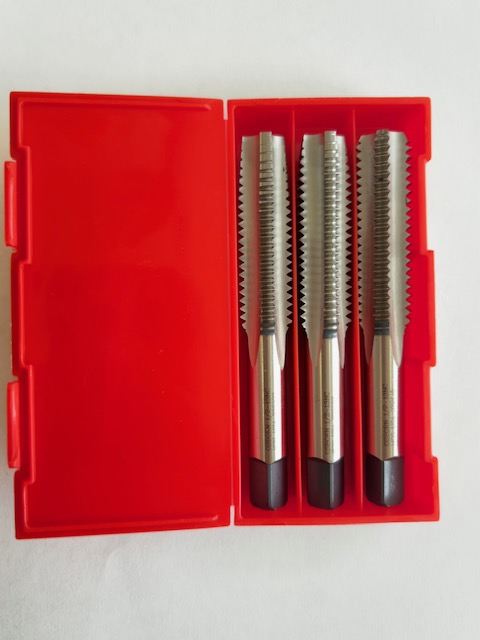
Working with high-tensile materials requires precision, proper tooling, and a clear understanding of machining principles. Materials such as hardened steel, alloy steel, titanium, and stainless steel offer exceptional strength and durability, but they also present significant challenges during thread cutting. Choosing the correct Tap Sets is one of the most important decisions for achieving accurate threads, reducing tool wear, and preventing costly production delays.
Understanding High-Tensile Materials
High-tensile metals are engineered to withstand heavy loads, high temperatures, and harsh operating conditions. They are commonly used in industries such as aerospace, automotive, construction, energy, and heavy engineering. Their superior mechanical properties make them ideal for demanding applications, but these same characteristics increase cutting resistance during tapping operations.
Without the right tooling, operators may experience excessive heat, poor chip evacuation, broken taps, and inconsistent thread quality. These issues can lead to expensive rework and reduced productivity.
Factors to Consider When Choosing the Right Tool
Several factors influence successful thread cutting in high-strength materials:
-
Material hardness: Harder metals require cutting tools with excellent wear resistance.
-
Hole type: Blind holes benefit from spiral flute taps, while through holes are often better suited to spiral point taps.
-
Thread specifications: Ensure the tap matches the required thread standard and pitch.
-
Machine capability: CNC machines, manual tapping equipment, and drilling centres may require different tooling solutions.
-
Lubrication: High-quality cutting fluids reduce friction, improve surface finish, and extend tool life.
Carefully evaluating these factors helps minimise tool failure while improving machining efficiency.
Selecting the Best Tool Material
The material used to manufacture the tap plays a major role in performance.
High-speed steel (HSS) remains a popular choice for general-purpose machining due to its balance of toughness and affordability. For more demanding applications, cobalt-enhanced HSS provides greater heat resistance and longer service life. Powder metallurgy taps combine durability with wear resistance, making them suitable for repetitive industrial production.
Solid carbide tools offer exceptional hardness and precision but require rigid machines and stable machining conditions. Although they cost more initially, they can provide excellent value in high-volume manufacturing environments.
Importance of Coatings
Modern surface coatings significantly improve tool performance. Titanium Nitride (TiN), Titanium Aluminium Nitride (TiAlN), and Titanium Carbonitride (TiCN) reduce friction, increase hardness, and improve resistance to heat. Selecting the correct coating depends on the workpiece material, cutting speed, and production requirements.
A properly coated tool can increase productivity while extending operational life, particularly when machining abrasive or heat-resistant alloys.
Optimising Cutting Conditions
Even the highest-quality Tap Sets cannot perform effectively without suitable machining parameters.
Maintaining the correct spindle speed and feed rate reduces excessive heat generation. Adequate lubrication assists with chip evacuation while preventing thread damage. Operators should also ensure workpieces are securely clamped to eliminate vibration, which can negatively affect thread accuracy and shorten tool life.
Regular inspection of cutting tools helps identify wear before it impacts production quality. Replacing worn tools at the appropriate time prevents unexpected failures and maintains consistent results.
Common Challenges
Machining high-tensile materials often presents several obstacles:
-
Excessive cutting forces
-
Rapid tool wear
-
Poor chip evacuation
-
Work hardening
-
Tap breakage
-
Surface finish defects
Many of these problems can be minimised through correct tool selection, proper machine setup, and routine maintenance.
Best Practices for Long-Term Performance
Successful tapping operations depend on more than selecting quality tooling. Operators should monitor machine alignment, verify drill sizes before tapping, maintain clean cutting fluid systems, and inspect threads using calibrated gauges. Establishing standard operating procedures also improves consistency across production runs.
Training machine operators on proper tapping techniques further reduces downtime and enhances workplace safety. Small improvements in setup and maintenance often produce substantial gains in productivity.
Conclusion
Selecting the appropriate tooling for high-tensile materials requires careful consideration of material properties, tool design, coatings, machining parameters, and maintenance practices. Investing in high-quality Tap Sets that match the application can improve thread accuracy, reduce tool wear, minimise downtime, and increase overall manufacturing efficiency. By combining the right equipment with proven machining practices, manufacturers can consistently produce reliable, high-quality threaded components even in the most demanding industrial environments.
 Italiano
 English
 Arabic
 French
 Spanish
 Portuguese
 Deutsch
 Turkish
 Dutch
Dutch
 Russian
 Romaian
 Portuguese (Brazil)
 Greek
Greek
