


 Pro Benefits
 О нас
О нас
 Условия использования
 Конфиденциальность
 Child Safety & Protection
 Оповещения
 Ayrush Global It Services Pvt Ltd
Whey Protein Powder Production Factory: Complete Guide to Manufacturing, Processing, and Quality Control
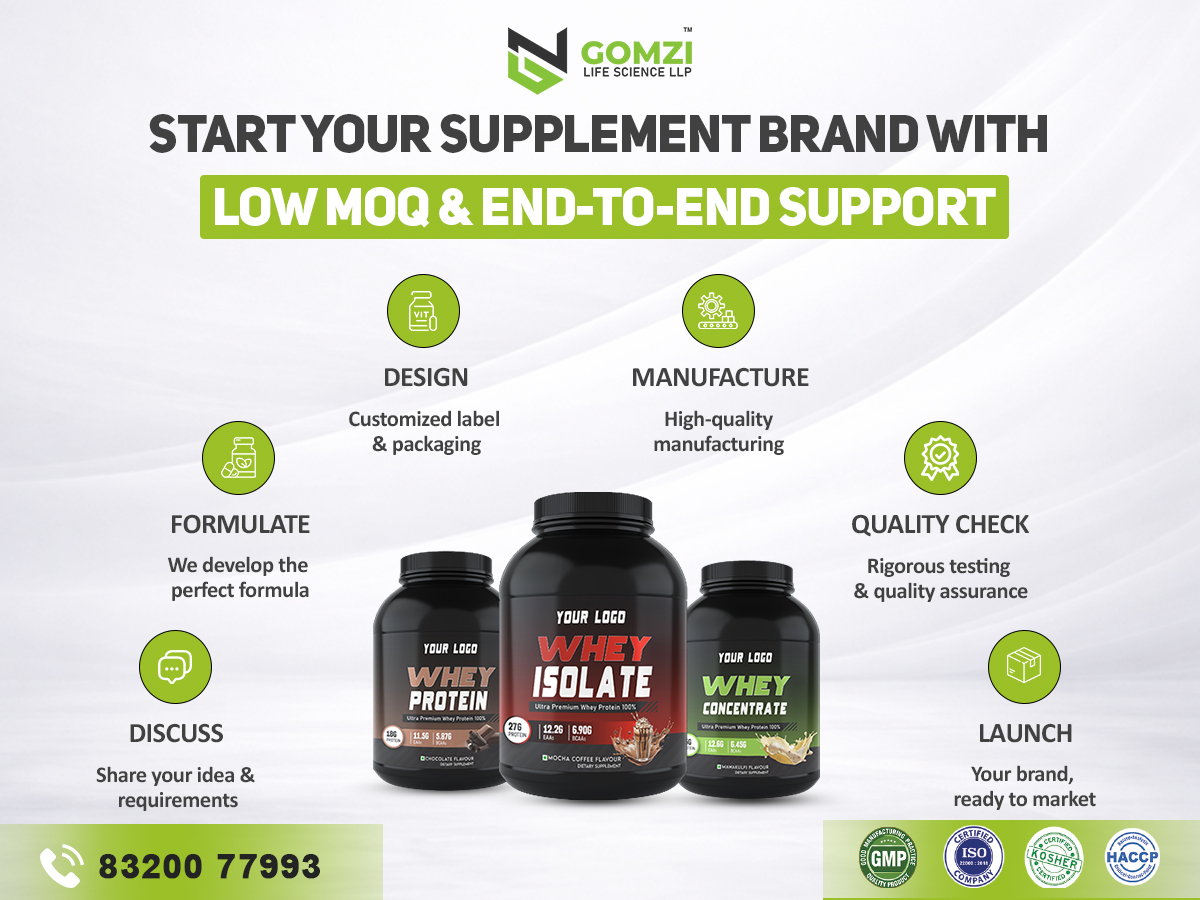
The global demand for whey protein powder continues to grow as consumers increasingly prioritize fitness, sports nutrition, healthy lifestyles, and high-protein diets. A modern whey protein powder production factory plays a vital role in producing premium-quality protein supplements that meet international food safety and nutritional standards. From raw milk processing to advanced filtration technologies and hygienic packaging systems, every stage of production ensures a safe, pure, and high-quality protein product.
Whey protein is derived during the cheese-making process, where liquid whey is separated from curds. This liquid whey undergoes multiple processing stages, including ultrafiltration, microfiltration, pasteurization, evaporation, and spray drying to produce high-quality whey protein powder. Depending on the manufacturing process, factories produce various products such as Whey Protein Concentrate (WPC), Whey Protein Isolate (WPI), and Hydrolyzed Whey Protein (WPH), each designed to meet different nutritional and commercial requirements.
A state-of-the-art whey protein manufacturing facility is equipped with advanced automation systems, stainless steel processing equipment, membrane filtration systems, spray dryers, powder handling systems, blending units, and automatic packaging machines. Automation ensures consistent product quality, higher production efficiency, reduced contamination risks, and compliance with Good Manufacturing Practices (GMP), HACCP, ISO 22000, and FDA food safety regulations.
The manufacturing process begins with the collection of fresh liquid whey from dairy processing plants. The whey is clarified and pasteurized to eliminate harmful microorganisms while preserving its nutritional value. Advanced membrane filtration technology removes excess lactose, fat, and minerals, concentrating the protein content. Depending on the desired product specification, additional processing steps produce protein concentrates or isolates with protein levels ranging from 35% to over 90%.
After concentration, the protein solution undergoes evaporation to reduce moisture content before entering a spray drying system, where it is converted into fine, free-flowing whey protein powder. The powder is then cooled, sieved, blended with optional ingredients such as flavors, vitamins, minerals, digestive enzymes, or amino acids, and packaged under controlled hygienic conditions. Every production batch undergoes rigorous laboratory testing for protein content, moisture, microbiological safety, heavy metals, amino acid profile, solubility, and product purity.
Modern whey protein factories emphasize sustainability by utilizing energy-efficient processing equipment, wastewater treatment systems, heat recovery technologies, and environmentally friendly packaging solutions. These practices reduce operational costs while minimizing environmental impact, making production more sustainable and compliant with global environmental standards.
The whey protein industry serves numerous sectors, including sports nutrition, bodybuilding supplements, clinical nutrition, functional foods, meal replacement products, infant nutrition, bakery products, dairy beverages, and health supplements. Growing consumer awareness about muscle recovery, weight management, immune health, and overall wellness continues to drive the expansion of whey protein manufacturing worldwide.
Investing in a whey protein powder production factory offers significant business opportunities due to increasing global demand for protein supplements. Manufacturers can supply bulk whey protein ingredients to food processors, develop private-label nutrition brands, or produce customized formulations for domestic and international markets. With the right manufacturing technology, strict quality assurance systems, and regulatory compliance, whey protein factories can establish a strong competitive advantage in the rapidly growing health and nutrition industry.
Choosing advanced whey protein production equipment ensures higher productivity, consistent product quality, lower operating costs, improved food safety, and long-term business profitability. As consumer demand for clean-label, high-protein, and functional nutrition products continues to rise, whey protein powder manufacturing remains one of the most promising sectors in the global food processing industry.

 Russian
 English
 Arabic
 French
 Spanish
 Portuguese
 Deutsch
 Turkish
 Dutch
Dutch
 Italiano
 Romaian
 Portuguese (Brazil)
 Greek
Greek
