


 Pro Benefits
 About
About
 Terms
Terms
 Privacy
 Child Safety & Protection
 Notifications
 Ayrush Global It Services Pvt Ltd
How POS Systems Help Retailers Monitor Product Lifecycle Performance?
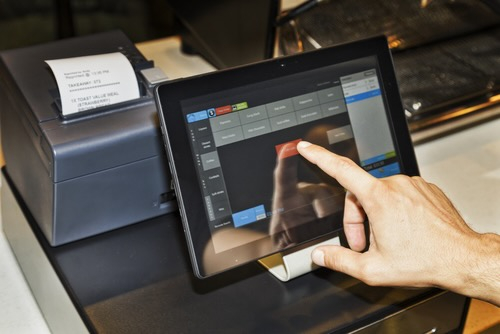
Every product introduced into a retail business follows a lifecycle. Some products become immediate bestsellers, while others gain popularity gradually or experience declining demand over time. Understanding where a product sits in its lifecycle helps retailers make better decisions about purchasing, pricing, promotions, and inventory management.
A point-of-sale (POS) system provides retailers with continuous insight into product performance by recording sales, inventory movement, customer demand, and profitability. Rather than relying on occasional manual reviews, businesses can monitor products throughout their lifecycle and respond quickly as market conditions change.
Tracking product lifecycle performance allows retailers to maximise sales opportunities, reduce excess inventory, and make more informed merchandising decisions.
What Is a Product Lifecycle?
A product lifecycle describes the different stages a product passes through from its introduction until it is eventually discontinued.
The four main stages are:
- Introduction
- Growth
- Maturity
- Decline
Each stage presents different challenges and opportunities. Retailers who recognise these stages early can adjust their strategies to improve profitability and reduce unnecessary costs.
Why Product Lifecycle Monitoring Matters
Retailers often manage hundreds or even thousands of products simultaneously. Not every item performs the same way.
Without regular monitoring, businesses may:
- Continue ordering products with declining demand
- Miss opportunities to increase stock for fast-growing items
- Apply discounts too early or too late
- Hold excessive slow-moving inventory
- Misjudge seasonal demand
A POS system helps retailers identify these changes using real sales data rather than assumptions.
Tracking Product Performance from Launch
When a new product is introduced, retailers usually have limited sales history to guide purchasing decisions.
A POS system records early performance by monitoring:
- Units sold
- Daily sales trends
- Customer demand
- Inventory movement
- Returns
- Revenue generated
These insights help retailers determine whether the product is gaining customer acceptance.
If early demand exceeds expectations, additional stock can be ordered before shortages occur. If sales remain weak, purchasing plans can be adjusted before excess inventory builds up.
Identifying Growth Trends
Products entering the growth stage often experience increasing customer demand.
POS reporting helps retailers recognise this trend by comparing sales over time.
Managers can review:
- Weekly sales growth
- Increasing transaction volume
- Repeat customer purchases
- Store-level demand
- Product availability
Recognising growth early allows retailers to increase stock levels, expand product visibility, and reduce the risk of missed sales.
Products in this stage may also require additional shelf space or stronger marketing support.
Monitoring Product Maturity
Eventually, many successful products reach a stable level of demand.
Sales become more predictable, allowing retailers to optimise purchasing and inventory management.
During the maturity stage, POS systems help businesses monitor:
- Consistent sales volume
- Gross profit
- Average selling price
- Customer purchasing frequency
- Inventory turnover
Retailers can use this information to maintain appropriate stock levels while avoiding unnecessary overordering.
Products in this stage often generate reliable revenue and require fewer promotional incentives than newly introduced products.
Detecting Declining Demand
Every product eventually experiences reduced demand.
The decline may occur because of:
- Changing customer preferences
- New product releases
- Technological developments
- Seasonal changes
- Increased competition
POS systems help retailers identify declining products before they become costly inventory problems.
Indicators may include:
- Falling sales volume
- Longer shelf time
- Reduced inventory turnover
- Increasing markdowns
- Higher stock levels
Early identification gives retailers time to adjust purchasing and promotional strategies.
Analysing Sales Velocity
Sales velocity measures how quickly products sell during a given period.
A POS system compares product movement over time, helping retailers distinguish between:
- Fast-selling products
- Moderate sellers
- Slow-moving inventory
- Products losing momentum
Sales velocity supports product lifecycle analysis because changes often indicate movement from one lifecycle stage to another.
For example, a product with steadily declining sales velocity may be approaching the decline stage even if total annual sales remain relatively high.
Monitoring Profitability Throughout the Lifecycle
Sales alone do not determine product success.
Retailers also need to understand how much profit each product generates.
POS reporting allows businesses to monitor:
- Revenue
- Gross profit
- Discount activity
- Cost changes
- Margin performance
A product may continue selling well while producing lower profits because of increased supplier costs or frequent promotional discounts.
Regular profitability reviews ensure retailers focus on products that contribute meaningful financial value.
Supporting Smarter Inventory Decisions
Product lifecycle information helps retailers purchase inventory more accurately.
For example:
- New products may require cautious initial orders.
- Growing products may need larger replenishment quantities.
- Mature products benefit from stable inventory levels.
- Declining products require reduced purchasing.
Using POS data allows purchasing teams to match stock levels more closely with actual demand.
This improves cash flow while reducing storage costs and unnecessary markdowns.
Managing Seasonal Products
Many retail products follow predictable seasonal lifecycles.
Examples include:
- Holiday decorations
- School supplies
- Winter clothing
- Garden equipment
- Summer accessories
POS sales history helps retailers identify when seasonal demand typically begins and ends.
Instead of ordering based on estimates, businesses can use previous sales patterns to improve purchasing and promotional timing.
Historical data also supports better planning for future seasons.
Evaluating Promotional Impact
Promotions can influence a product's lifecycle.
A discount may extend demand for a mature product or help reduce inventory during the decline stage.
POS systems allow retailers to compare product performance:
- Before promotions
- During campaigns
- After promotions
This helps determine whether a campaign generated lasting customer interest or simply created a temporary increase in sales.
Retailers can then decide whether additional promotions are justified.
Comparing Product Performance Across Stores
Product lifecycles are not always identical across every location.
A product entering the decline stage in one store may still perform well elsewhere.
Multi-store POS reporting allows retailers to compare:
- Sales volume
- Profitability
- Inventory turnover
- Product demand
- Stock availability
These comparisons support better inventory distribution.
Rather than discounting products immediately, retailers may transfer stock to locations where customer demand remains stronger.
Supporting Better Product Decisions
Lifecycle reporting helps retailers make informed decisions about their product range.
Managers can identify:
- Products suitable for expansion
- Items requiring promotional support
- Slow-moving inventory
- Products approaching discontinuation
- Opportunities for replacement products
This information supports long-term merchandise planning while reducing the financial risk associated with poor inventory decisions.
Using Mhouse to Monitor Product Performance
Retailers need reliable product data throughout every stage of the product lifecycle. Mhouse brings together sales activity, inventory movement, and product reporting in one platform, allowing businesses to monitor performance more effectively and make timely decisions about purchasing, promotions, and stock management across multiple locations.
This central visibility helps retailers respond more quickly as customer demand changes.
Best Practices for Product Lifecycle Monitoring
Retailers can improve lifecycle management by:
- Reviewing product performance regularly
- Monitoring sales velocity
- Tracking profitability alongside revenue
- Analysing inventory turnover
- Comparing store-level performance
- Evaluating promotional outcomes
- Adjusting purchasing as demand changes
Regular analysis helps retailers react before declining products become costly inventory.
Final Thoughts
POS systems help retailers monitor product lifecycle performance by providing continuous insight into sales, profitability, inventory movement, and customer demand. From the launch of a new product to its eventual decline, retailers can make informed decisions based on accurate transaction data rather than assumptions.
Understanding where products sit within their lifecycle supports better purchasing, more effective promotions, improved inventory control, and stronger financial performance. As customer preferences continue to evolve, retailers that monitor product performance consistently are better positioned to maximise opportunities while reducing unnecessary costs.
 English
 Arabic
 French
 Spanish
 Portuguese
 Deutsch
 Turkish
 Dutch
Dutch
 Italiano
 Russian
 Romaian
 Portuguese (Brazil)
 Greek
Greek
