


 Pro Benefits
 About
About
 Terms
Terms
 Privacy
 Child Safety & Protection
 Notifications
 Ayrush Global It Services Pvt Ltd
How Automotive Radar Is Redefining Safer Mobility
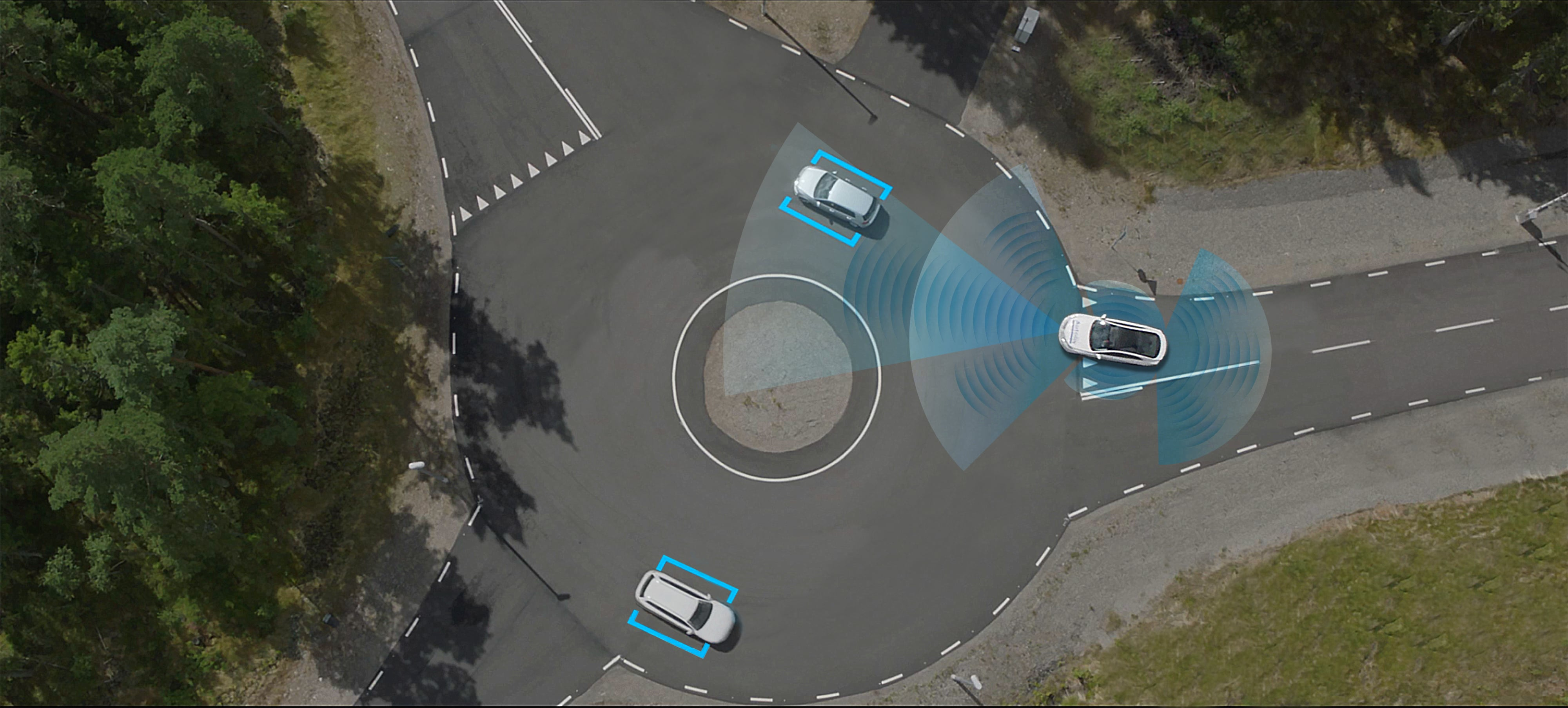
Automotive radar technology has become a cornerstone of modern vehicle safety, enabling cars to detect surrounding objects, monitor traffic conditions, and assist drivers in making safer decisions. As vehicles continue to incorporate advanced driver assistance systems (ADAS) and move toward higher levels of automation, radar sensors are playing an increasingly important role in improving road safety, reducing collision risks, and enhancing the overall driving experience.
One of the key factors supporting this transition is the growing adoption of intelligent sensing technologies across passenger and commercial vehicles. Recent ADAS radar technology research highlights how manufacturers are expanding radar integration to support features such as adaptive cruise control, blind-spot monitoring, and automatic emergency braking. These technologies are becoming standard across a wider range of vehicle categories as safety expectations continue to evolve.
Automotive radar systems operate by transmitting radio waves and analyzing their reflections from nearby vehicles, pedestrians, cyclists, and roadside objects. Unlike cameras that rely heavily on lighting conditions, radar performs reliably during rain, fog, dust, and darkness. This dependable performance makes radar one of the most trusted sensing technologies for improving situational awareness in diverse driving environments.
Why Radar Technology Matters in Modern Vehicles
Vehicle manufacturers are increasingly focusing on accident prevention rather than simply improving crash protection. Radar sensors continuously monitor vehicle surroundings, helping detect potential hazards before they become dangerous. This allows safety systems to provide warnings or automatically intervene when necessary, reducing driver reaction time and helping prevent collisions. Growing adoption of radar-enabled safety technologies is also being encouraged by evolving vehicle safety regulations and consumer demand for smarter mobility solutions.
Key Applications of Automotive Radar
Automotive radar supports numerous intelligent driving functions that improve convenience and safety. Some of the most widely adopted applications include:
- Adaptive Cruise Control for maintaining safe following distances.
- Automatic Emergency Braking to reduce collision severity.
- Blind Spot Detection for safer lane changes.
- Forward Collision Warning systems that alert drivers to obstacles.
- Cross Traffic Alert during reversing maneuvers.
- Parking assistance through short-range object detection.
- Traffic Jam Assist for low-speed urban driving.
These capabilities demonstrate how radar technology has evolved beyond premium vehicles and is steadily becoming available across mainstream automotive segments.
The Rise of Multi-Sensor Vehicle Perception
Although radar offers significant advantages, it is most effective when combined with complementary technologies such as cameras, LiDAR, ultrasonic sensors, and artificial intelligence software. Sensor fusion enables vehicles to build a more comprehensive understanding of their surroundings by combining the strengths of multiple sensing systems. While cameras recognize traffic signs and lane markings, radar accurately measures object distance and speed under challenging weather conditions.
This integrated approach improves object recognition, minimizes false detections, and supports more reliable autonomous driving decisions. As automotive software becomes increasingly sophisticated, radar continues to serve as a critical component within comprehensive perception systems.
Innovation Driving Radar Performance
Technological advancements continue to improve radar accuracy, resolution, and processing capabilities. Higher-frequency radar systems provide better object separation, allowing vehicles to distinguish between closely positioned objects with greater precision. At the same time, improvements in semiconductor technology are enabling smaller, lighter, and more energy-efficient radar modules that are easier to integrate into modern vehicle designs.
Artificial intelligence is also enhancing radar performance by improving object classification, reducing interference, and enabling predictive driving functions. These innovations are supporting safer navigation while preparing the automotive industry for increasingly autonomous transportation.
Industry Challenges Remain
Despite rapid technological progress, automotive radar deployment still faces several challenges. Integrating multiple sensing systems increases development complexity and requires extensive software validation. Manufacturers must also ensure compatibility with evolving safety standards while managing production costs and maintaining reliable system performance under diverse operating conditions.
Another challenge involves balancing affordability with advanced functionality. As radar technology expands into mass-market vehicles, automakers continue working to reduce component costs without compromising detection accuracy or long-term reliability.
Future Outlook
The future of automotive radar is closely linked with the continued evolution of connected, electric, and autonomous vehicles. Growing investments in intelligent mobility, stricter safety requirements, and continuous innovation in sensing technologies are expected to accelerate radar adoption across global automotive manufacturing. Emerging developments in high-resolution radar and advanced signal processing will likely further improve environmental perception and vehicle decision-making capabilities. Ongoing research also points toward increasing adoption of next-generation radar technologies to support more sophisticated autonomous driving functions.
Conclusion
Automotive radar has become an essential technology for improving vehicle safety and supporting the transition toward intelligent transportation. Its ability to deliver accurate object detection across challenging weather and lighting conditions makes it indispensable for modern driver assistance systems. As innovation continues across sensing hardware, software, and artificial intelligence, radar will remain a foundational technology enabling safer, smarter, and more connected mobility for the automotive industry.
 English
 Arabic
 French
 Spanish
 Portuguese
 Deutsch
 Turkish
 Dutch
Dutch
 Italiano
 Russian
 Romaian
 Portuguese (Brazil)
 Greek
Greek
