


 Pro Benefits
 About
About
 Termeni
 Confidențialitate
 Child Safety & Protection
 Notificări
 Ayrush Global It Services Pvt Ltd
Event Transportation Software: A Practical Guide For Planners Ready To Build Their Own Platform
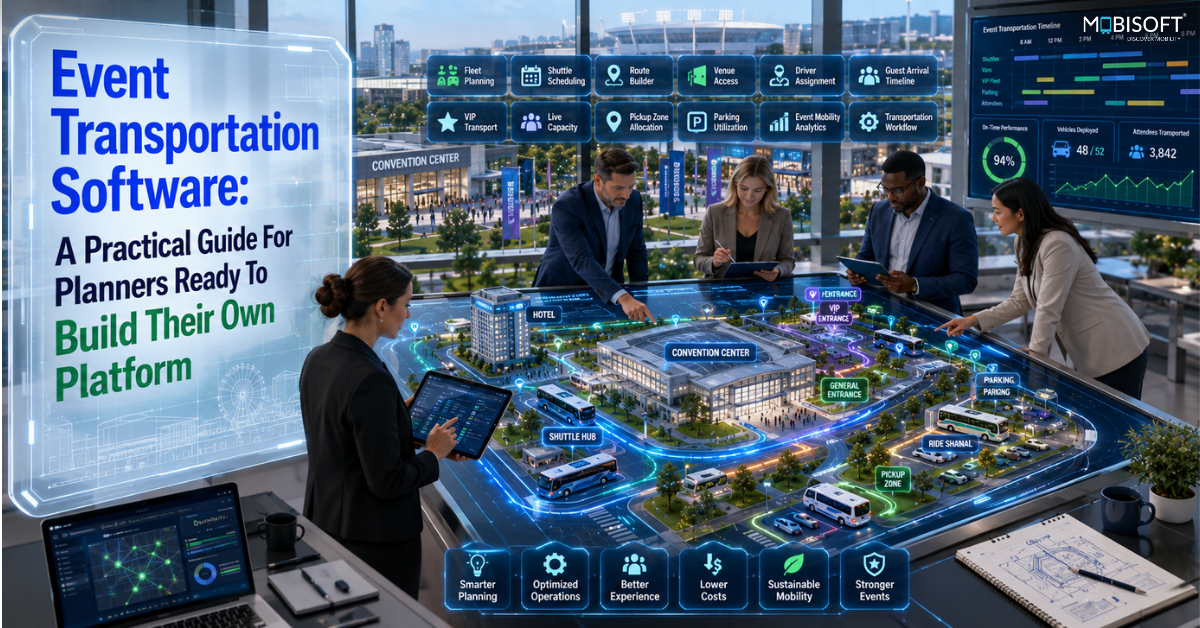
Picture this. Two hundred guests are ready to leave the venue. But half the shuttles are missing. Every event planner has faced some version of this nightmare. Transportation issues can undo months of flawless planning work.
This is exactly why more planners now explore dedicated event tr nsportation solutions. These systems replace last minute scrambling with real coordination. Many planners still depend on off the shelf tools for this. Others now consider building their own platform for greater control.
This blog breaks down why event transportation solutions matter for modern planners. It also walks through what to know before building your own system.
Why Event Transportation Has Become Harder to Manage
Events today involve more moving parts than ever before. Transportation sits at the center of this growing complexity.
-
Multiple Pickup Points and Overlapping Schedules
Guests often arrive from different locations for a large event. Coordinating pickup times across multiple points gets complicated. Overlapping schedules increase the risk of delays and confusion. Planners need clear visibility to manage this complexity well.
-
Last Minute Changes and Cancellations
Guests frequently change plans close to the event date. Transportation schedules must adjust quickly to these changes. Manual systems struggle to keep pace with sudden updates. This creates unnecessary stress for planning teams under pressure.
-
Coordinating Multiple Transport Options
Events often combine shuttles, private cars, and vendor transport simultaneously. Managing all three without a unified system creates gaps. Miscommunication between these parties leads to avoidable delays. Strong event transportation solutions help bring these pieces together smoothly.
Why Off The Shelf Tools Often Fall Short
Generic tools rarely fit the unique demands of live events. Their limitations become clear once events grow in scale.
-
Limited Customization for Unique Event Layouts
Every event has a different venue layout and guest flow. Off the shelf tools don’t always have flexibility for these variations. Planners end up working around software instead of with it. Customization becomes essential rather than optional at scale.
-
Poor Integration With Existing Event Management Systems
Many transportation tools operate separately from event management platforms. This forces planners to manage duplicate data manually. Integration gaps slow down coordination during critical event hours. Seamless data flow matters more as events grow complex.
-
Scalability Issues for Large or Multi Day Events
Some tools work well for small gatherings but struggle at scale. Multi day events require consistent performance across several schedules. Off the shelf platforms often cannot handle this demand reliably. This limitation pushes planners toward more scalable event transportation systems.
What Event Transportation Solutions Should Include
A strong platform needs specific features to handle real event demands. These features directly reduce operational stress on event day.
-
Real Time Vehicle Tracking and Route Management
Live tracking lets planners monitor every vehicle during the event. Route management tools help adjust paths based on traffic conditions. This visibility prevents delays from going unnoticed too long. Planners can respond quickly instead of reacting after complaints arise.
-
Automated Guest Scheduling and Notifications
Automated scheduling reduces manual coordination for large guest lists. Guests receive timely notifications about pickup times and changes. This reduces confusion and keeps transportation predictable throughout the event. Fewer manual updates also mean fewer costly errors.
-
Vendor and Driver Coordination Tools
Strong platforms connect vendors, drivers, and planners in one place. Instant updates replace slow phone based communication entirely. This keeps every party aligned during fast changing event conditions. Coordination tools reduce friction across the entire transportation chain.
-
Reporting and Post Event Analytics
Data from each event helps refine future transportation planning. Reports reveal patterns around delays, routes, and guest behavior. This insight supports smarter decisions for upcoming events. Analytics turn transportation into a measurable, improvable process.
Build vs Buy: What Planners Should Consider
Choosing between building and buying requires honest evaluation of resources.
-
Cost Implications of Building an In House Platform
Building a platform involves upfront development and maintenance costs. These costs can be significant depending on required features. However, long term ownership can offset recurring subscription expenses. Planners should weigh short term investment against long term value.
-
Time and Technical Resources Required
Development takes time, especially for feature rich platforms. Planners need access to skilled developers or technology partners. Without proper resources, timelines can stretch beyond expectations. This factor often influences the build versus buy decision heavily.
-
Long Term Flexibility and Ownership Benefits
Owning a platform allows full control over features and updates. Planners can adapt the system as event needs evolve. This flexibility often outweighs the convenience of ready made tools. Ownership becomes a strategic advantage over time.
Key Steps To Building Your Own Event Transportation Platform
Building a platform requires a structured, step by step approach.
-
Mapping out event specific transportation needs clearly
-
Choosing the right technology partners or developers
-
Testing the platform with smaller events first
-
Gathering feedback and refining features continuously
This approach reduces risk while building confidence in the platform.
The Competitive Edge Of Owning Your Transportation Platform
A custom platform can become a genuine business differentiator.
-
Stronger Client Trust Through Reliable Logistics
Clients notice when transportation runs smoothly without last minute issues. Reliable event transportation solutions build confidence in your planning capabilities. This trust often leads to repeat business and referrals. Reliability becomes part of your brand reputation over time.
-
Differentiation in a Crowded Event Planning Market
Many planners still rely on outdated coordination methods today. Offering advanced corporate event transportation capabilities sets your company apart. Clients increasingly value planners who invest in modern systems. This differentiation can influence client decisions significantly.
-
Long Term Cost Savings Over Recurring Software Subscriptions
Subscription costs accumulate significantly across multiple events yearly. Owning a platform removes this recurring expense entirely. Long term savings often justify the initial development investment. This makes ownership attractive for high volume event planners.
Conclusion
Transportation has become a defining factor in event success today. Reliable event transportation solutions directly influence guest experience and trust. Off the shelf tools often fall short as events grow complex. Building a custom platform offers control, flexibility, and long term savings. Planners investing in transportation scheduling software position themselves ahead of competitors. Strong transportation planning is no longer optional for serious event companies. It has become a core part of delivering flawless events consistently.
 Romaian
 English
 Arabic
 French
 Spanish
 Portuguese
 Deutsch
 Turkish
 Dutch
Dutch
 Italiano
 Russian
 Portuguese (Brazil)
 Greek
Greek
