


 Pro Benefits
 About
About
 Termeni
 Confidențialitate
 Child Safety & Protection
 Notificări
 Ayrush Global It Services Pvt Ltd
Battery Recycling Plant Setup Consultant
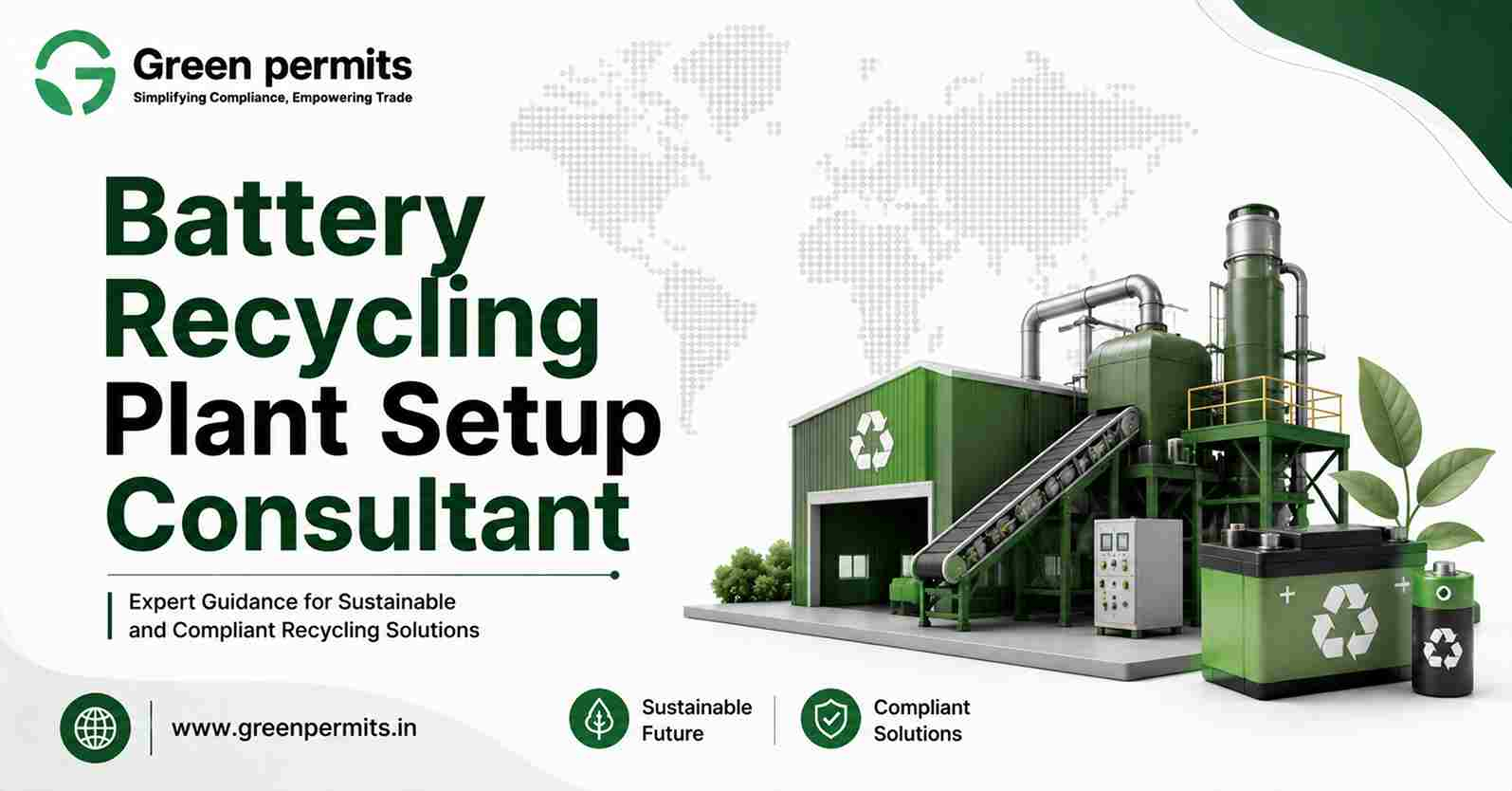
Battery Recycling Plant Setup Consultant services are important for businesses planning to start a battery waste recycling facility in India. With the increasing use of batteries in electric vehicles, solar systems, telecom equipment, consumer electronics, inverters, industrial machines, and energy storage systems, battery waste management has become an important environmental and business opportunity.
Used batteries may contain valuable materials such as lead, lithium, nickel, cobalt, manganese, copper, aluminium, plastic, and other recoverable materials. At the same time, improper handling of waste batteries can cause soil pollution, water contamination, fire risk, chemical exposure, and health hazards. Therefore, battery recycling plants must be set up with proper approvals, pollution control systems, safety arrangements, and regulatory compliance.
A Battery Recycling Plant Setup Consultant helps businesses plan the project, select suitable land, prepare documents, obtain pollution control approvals, apply for CPCB or SPCB registration, arrange technical documentation, respond to authority queries, and manage ongoing compliance.
For entrepreneurs, recycling companies, waste management businesses, EV ecosystem companies, and industrial investors, professional consulting support can make the setup process faster, safer, and more compliant.
What is a Battery Recycling Plant?
A battery recycling plant is a facility where used or waste batteries are collected, sorted, dismantled, processed, recycled, and converted into reusable materials.
The main purpose of a battery recycling plant is to recover useful materials and reduce the environmental impact of battery waste.
A battery recycling plant may handle:
- Lead-acid batteries
- Lithium-ion batteries
- Nickel-cadmium batteries
- Nickel-metal hydride batteries
- Zinc-based batteries
- Portable batteries
- Automotive batteries
- Industrial batteries
- Electric vehicle batteries
- Energy storage batteries
The recycling process depends on the type of battery, battery chemistry, technology used, and level of material recovery planned by the business.
Why Battery Recycling Plant Setup is Important
Battery recycling is important because batteries contain both valuable and hazardous materials. If waste batteries are dumped or handled by informal recyclers, they can create serious environmental and safety risks.
Battery recycling helps in:
- Recovering valuable metals
- Reducing mining pressure
- Preventing hazardous waste pollution
- Supporting circular economy
- Reducing informal recycling practices
- Helping producers meet EPR obligations
- Creating organized recycling infrastructure
- Supporting electric vehicle sustainability
- Generating business and employment opportunities
- Improving ESG and environmental performance
A properly approved battery recycling plant can also support producers and brand owners in fulfilling their Battery EPR obligations through the formal compliance system.
Who Can Set Up a Battery Recycling Plant?
Any eligible business entity can set up a battery recycling plant in India after obtaining the required approvals and registrations.
The following entities may set up a battery recycling facility:
- Private limited companies
- Limited liability partnerships
- Partnership firms
- Proprietorship firms
- Waste management companies
- Existing recyclers
- EV battery businesses
- Lead recycling businesses
- Lithium-ion recycling companies
- Industrial waste processors
- Environmental service providers
- Entrepreneurs entering the recycling sector
Before starting, the business must check land suitability, plant capacity, battery type, technology requirement, investment, pollution category, and registration requirements.
Role of Battery Recycling Plant Setup Consultant
A Battery Recycling Plant Setup Consultant helps businesses manage the complete setup and approval process.
Consulting support generally includes:
- Project feasibility assessment
- Battery type and process planning
- Land and site suitability review
- Approval applicability assessment
- Pollution category identification
- Project report preparation
- Consent to Establish application
- Consent to Operate application
- CPCB or SPCB registration support
- Technical document preparation
- Process flow and layout support
- Query response support
- Inspection coordination
- Ongoing compliance advisory
A consultant helps businesses avoid wrong filing, incomplete documentation, unsuitable site selection, and regulatory delays.
Types of Battery Recycling Plants
Battery recycling plants may differ based on battery chemistry and recycling technology.
Common types include:
- Lead-acid battery recycling plant
- Lithium-ion battery recycling plant
- EV battery recycling plant
- Portable battery recycling unit
- Industrial battery recycling facility
- Battery dismantling and sorting unit
- Battery material recovery unit
- Battery refurbishing or second-life support facility
Each type of plant has different technical, environmental, safety, and compliance requirements.
Approvals Required for Battery Recycling Plant Setup
Setting up a battery recycling plant requires multiple approvals depending on battery type, capacity, location, and recycling process.
Common approvals may include:
- Company registration
- GST registration
- Factory licence, if applicable
- Consent to Establish from SPCB
- Consent to Operate from SPCB
- Battery waste recycler registration
- Hazardous waste authorization, where applicable
- Fire NOC, where required
- Building plan approval, where applicable
- Trade licence, where applicable
- Electricity connection approval
- Water connection approval, if required
- Environmental compliance approvals, where applicable
The exact approvals depend on the state, project capacity, technology, and type of batteries handled.
Documents Required for Battery Recycling Plant Setup
Proper documentation is essential for approvals and registration.
Common documents may include:
- Company Incorporation Certificate
- PAN Card
- GST Registration Certificate
- Land ownership or lease agreement
- Site layout plan
- Factory layout plan
- Project report
- Process flow chart
- Machinery details
- Installed capacity details
- Battery type details
- Pollution control system details
- Water requirement details
- Power requirement details
- Waste generation details
- Hazardous waste management plan
- Fire safety details
- Worker safety plan
- Consent to Establish
- Consent to Operate
- Authorization letter
- Authorized signatory documents
- Undertaking or declaration
Additional documents may be required depending on the battery chemistry, plant location, and regulatory authority requirements.
Machinery Required for Battery Recycling Plant
Machinery selection depends on the type of battery waste and recycling process.
Common machinery may include:
- Battery sorting system
- Weighing machine
- Battery breaking machine
- Dismantling tools
- Shredder
- Crusher
- Separator
- Conveyor system
- Dust collection system
- Air pollution control system
- Acid neutralization system
- Effluent treatment system
- Metal recovery system
- Plastic separation system
- Furnace or smelting system, where applicable
- Lithium-ion battery processing equipment
- Fire safety equipment
- Material storage bins
The machinery should be selected only after evaluating process requirements, safety standards, pollution control needs, and recovery goals.
Battery Recycling Plant Setup Process
Battery recycling plant setup involves project planning, land selection, approval filing, infrastructure development, registration, and operational compliance.
Step 1: Feasibility Study
The first step is preparing a feasibility study for the battery recycling project.
This includes checking:
- Type of battery waste available
- Plant capacity
- Land requirement
- Investment requirement
- Machinery requirement
- Technology selection
- Pollution control requirements
- Market for recovered materials
- Regulatory approvals
- Profitability estimate
A feasibility study helps determine whether the project is technically and commercially viable.
Step 2: Site Selection
The site should be suitable for industrial or recycling activity.
Important points include:
- Industrial land use
- Proper road access
- Adequate storage space
- Safe distance from sensitive areas
- Availability of power
- Availability of water
- Space for machinery
- Space for hazardous waste storage
- Fire safety arrangement
- Pollution control system installation space
Wrong site selection can lead to approval delays or rejection.
Step 3: Prepare Project Report
A detailed project report is required for approvals and investment planning.
The project report generally includes:
- Business details
- Plant capacity
- Battery type handled
- Recycling process
- Machinery list
- Investment details
- Pollution control measures
- Waste handling method
- Storage arrangement
- Manpower details
- Safety measures
- Environmental management plan
A proper project report helps authorities understand the proposed activity clearly.
Step 4: Apply for Consent to Establish
Before setting up the plant, the business may need Consent to Establish from the State Pollution Control Board.
The application generally includes:
- Unit details
- Site details
- Process description
- Capacity details
- Pollution control measures
- Wastewater details
- Air emission details
- Hazardous waste details
- Supporting documents
CTE approval allows the unit to proceed with setup as per approved conditions.
Step 5: Install Machinery and Infrastructure
After obtaining required setup approval, the business can install machinery and prepare the facility.
This stage may include:
- Machinery installation
- Electrical setup
- Storage area preparation
- Battery handling area setup
- Pollution control equipment installation
- Fire safety arrangement
- Worker safety systems
- Material handling system
- Record management system
The plant should be set up according to approved layout and regulatory conditions.
Step 6: Apply for Consent to Operate
After completing plant setup, the unit must obtain Consent to Operate before starting commercial operations.
The authority may verify:
- Installed machinery
- Actual process flow
- Pollution control systems
- Waste storage area
- Fire safety system
- Worker safety arrangements
- Compliance with CTE conditions
- Site readiness
CTO is required before beginning regular recycling operations.
Step 7: Apply for Recycler Registration
Battery recyclers may need registration through the applicable battery waste management portal or authority process.
The application may include:
- Business details
- Facility details
- Battery type details
- Recycling capacity
- Process flow
- Machinery details
- Consent documents
- Waste handling details
- Recovered material details
- Supporting documents
The authority may review the application and raise queries before granting registration.
Step 8: Start Operations and Maintain Compliance
After approvals and registration, the recycling plant can begin operations.
Ongoing compliance may include:
- Maintaining battery procurement records
- Maintaining recycling records
- Filing returns
- Updating portal data
- Maintaining recovered material records
- Managing hazardous waste safely
- Renewing approvals on time
- Keeping inspection documents ready
- Following pollution control conditions
- Maintaining worker safety records
Compliance must be maintained continuously after plant setup.
Cost of Battery Recycling Plant Setup
The cost of setting up a battery recycling plant depends on several factors.
These include:
- Type of battery recycled
- Plant capacity
- Land cost
- Building cost
- Machinery cost
- Pollution control system cost
- Fire safety system cost
- Manpower cost
- Approval and registration cost
- Utility setup cost
- Technical consultant charges
- Working capital requirement
A small battery dismantling or sorting unit may require lower investment, while a full recycling plant with advanced recovery technology may require higher investment.
Timeline for Battery Recycling Plant Setup
The timeline depends on project size, land readiness, approval processing, machinery installation, and registration status.
The general timeline may include:
- Feasibility study: 3 to 7 working days
- Project report preparation: 5 to 10 working days
- Consent to Establish: depends on SPCB processing
- Machinery procurement: depends on technology
- Machinery installation: depends on plant capacity
- Consent to Operate: depends on inspection and approval
- Recycler registration: depends on document review and query response
Businesses should plan the project in advance to avoid delays in approvals and operations.
Common Mistakes During Battery Recycling Plant Setup
Many businesses face delays because of poor planning or incomplete compliance.
Common mistakes include:
- Selecting unsuitable land
- Starting setup without CTE
- Not preparing a proper project report
- Installing wrong machinery
- Ignoring battery chemistry risks
- Not planning pollution control systems
- Missing hazardous waste authorization
- Not preparing fire safety systems
- Submitting incomplete documents
- Starting operations without CTO
- Not maintaining recycling records
Professional guidance helps avoid these mistakes and improves approval efficiency.
Benefits of Setting Up Battery Recycling Plant
A battery recycling plant provides business, environmental, and compliance benefits.
It helps in:
- Recovering valuable materials
- Supporting EPR compliance
- Reducing hazardous waste pollution
- Supporting EV battery circularity
- Creating formal recycling infrastructure
- Reducing informal sector dependence
- Generating employment
- Improving sustainability performance
- Creating long-term business opportunity
- Supporting responsible battery waste management
With growing battery use in India, organized battery recycling is becoming an important sector for waste management and resource recovery.
Why Work with Battery Recycling Plant Setup Consultant?
Battery recycling plant setup involves technical planning, environmental approvals, pollution control compliance, registration, machinery selection, safety systems, documentation, and ongoing reporting.
An experienced consultant can assist with:
- Project feasibility assessment
- Site suitability review
- Project report preparation
- Approval checklist preparation
- Consent to Establish filing
- Consent to Operate filing
- Recycler registration support
- Document preparation
- Query response
- Machinery planning support
- Compliance advisory
- Renewal and return filing support
Professional support helps businesses reduce delays and complete the setup process correctly.
Learn More About Battery Recycling Plant Setup
If you are planning to start a battery recycling business in India, understanding approvals, plant setup requirements, machinery, investment, and registration process is essential before starting.
Read the complete guide here:
👉 https://www.greenpermits.in/07/battery-recycling-plant-setup-consultant-india/
📞 Get Expert Assistance for Battery Recycling Plant Setup
If you need help with Battery Recycling Plant Setup or related approvals and compliance, Green Permits Consulting can guide you efficiently.
🌐 Website: https://www.greenpermits.in/
📞 Phone: +91 78350 06182
📧 Email: wecare@greenpermits.in
 Romaian
 English
 Arabic
 French
 Spanish
 Portuguese
 Deutsch
 Turkish
 Dutch
Dutch
 Italiano
 Russian
 Portuguese (Brazil)
 Greek
Greek
