


 Pro Benefits
 About
About
 Términos
 Privacidad
 Child Safety & Protection
 Notificaciones
 Ayrush Global It Services Pvt Ltd
Can BagWash Help Reduce Single-Use Plastic Waste?
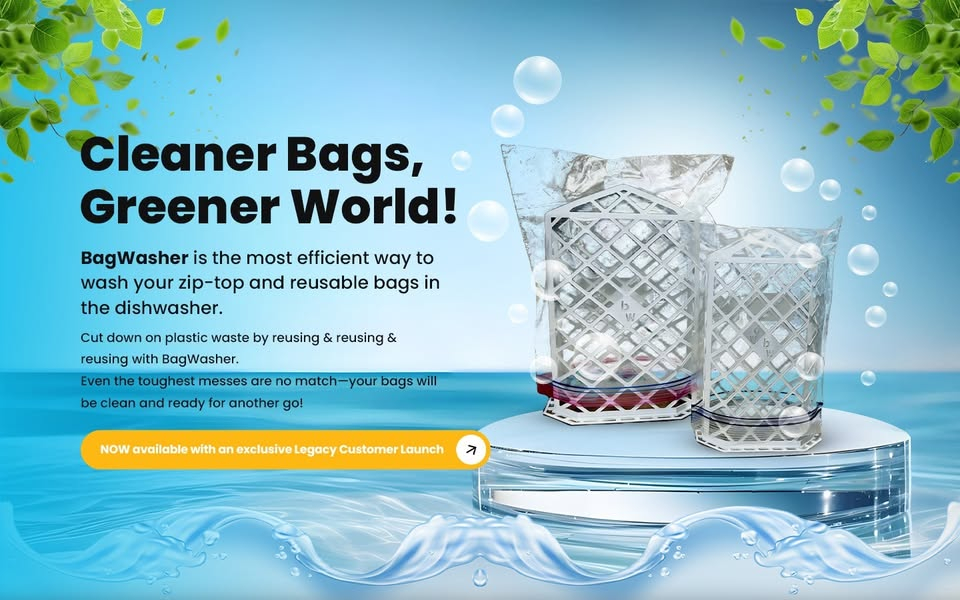
Plastic waste has become one of the biggest environmental challenges worldwide. Every day, millions of single-use plastic bags, food storage bags, and packaging materials are thrown away after only one use. While recycling plays an important role in waste management, reducing the amount of plastic we use in the first place is often even more effective. One simple habit that can make a difference is cleaning and reusing plastic storage bags whenever it is safe to do so. This is where BagWash practices can help support a more sustainable lifestyle.
Rather than immediately discarding resealable storage bags, many households now clean and reuse them several times. Proper cleaning extends the life of reusable bags, reduces unnecessary waste, and helps families save money while supporting environmental conservation.
Understanding the Problem of Single-Use Plastic
Single-use plastics are designed to be used once before disposal. Although convenient, they contribute significantly to landfill waste and environmental pollution. Plastic materials can take many years to break down, and improperly discarded plastic often ends up in rivers, oceans, and natural habitats.
Food storage bags are small, but because they are used so frequently, their environmental impact adds up quickly. Reusing them whenever possible helps reduce the demand for new plastic products and lowers the overall amount of waste generated.
Developing simple household habits can make a meaningful contribution toward reducing plastic pollution.
What Is BagWash?
BagWash refers to the practice of properly cleaning reusable food storage bags so they can be used again safely. Instead of throwing away a bag after a single use, people wash, dry, and inspect it before using it again.
This approach encourages responsible use of plastic products while promoting better hygiene. Proper cleaning removes food residue, prevents unpleasant odors, and helps maintain the quality of reusable storage bags.
When practiced consistently, BagWash becomes a simple routine that supports both household organization and environmental responsibility.
Benefits of Reusing Storage Bags
One of the easiest ways to reduce waste is through plastic bag reuse. Every time a storage bag is reused instead of discarded, fewer new bags need to be manufactured and purchased.
Some of the key benefits include:
-
Reducing plastic waste
-
Saving money on household supplies
-
Extending the lifespan of storage bags
-
Encouraging responsible consumption
-
Supporting more sustainable kitchen habits
A reusable ziploc bag is especially useful because it is designed for repeated use when cared for properly.
Proper Cleaning Makes Reuse Safer
Cleaning storage bags correctly is essential for food safety. Before reusing any ziploc bag, it should be washed thoroughly to remove food residue and bacteria.
For effective washing ziploc bags, follow these simple steps:
-
Empty the bag completely.
-
Rinse with warm water.
-
Wash using mild dish soap.
-
Clean both the inside and outside.
-
Rinse thoroughly.
-
Allow the bag to air dry completely.
Some households also use a gentle plastic bag cleaner to remove stubborn residue without damaging the plastic.
Only clean, dry bags should be reused.
Helpful Accessories for Bag Cleaning
Several accessories make cleaning and drying reusable storage bags much easier.
Examples include:
-
A sturdy washing bag holder
-
A practical washer bag drying stand
-
A reliable bag cleaner
-
A dedicated bag wash accessory
-
A convenient bag washing rack
-
A specialized bag washer designed to improve airflow during drying
These tools help keep bags open while drying, reducing trapped moisture and making the cleaning process more efficient.
Some reusable storage products may also be compatible with a dishwasher bag system if the manufacturer recommends dishwasher cleaning.
Knowing When to Reuse and When to Replace
Although reusing storage bags is beneficial, not every bag should be reused indefinitely.
Generally, bags that held dry foods such as crackers, bread, fruit, or vegetables are easier to clean and can often be reused safely.
However, bags that previously contained raw meat, seafood, eggs, or spoiled food should usually be discarded to reduce the risk of contamination.
If a bag develops holes, cracks, permanent stains, or damaged seals, it should be replaced rather than reused.
Regular inspection helps ensure safe food storage.
Recycling Still Matters
Eventually, every storage bag reaches the end of its useful life.
Many people ask, are ziploc bags recyclable?
The answer depends on local recycling programs. Most curbside recycling systems do not accept flexible plastic bags because they can interfere with sorting equipment. However, many grocery stores and plastic film collection sites accept clean, dry storage bags for recycling.
Before you recycle Ziploc bags, always check local recycling guidelines to ensure they are accepted.
Combining responsible reuse with proper recycling helps reduce environmental impact.
Small Habits Create Big Environmental Benefits
Sustainability is often built through small daily actions rather than major lifestyle changes.
Simple habits include:
-
Washing bags immediately after use
-
Drying them completely
-
Storing them carefully
-
Reusing bags whenever safe
-
Recycling worn-out bags properly
Even using a product sometimes described as bag e wash to improve drying efficiency can make maintaining reusable storage bags easier.
These small improvements encourage long-term waste reduction.
Final Thoughts
Reducing single-use plastic waste does not always require dramatic changes. Simple practices like BagWash can make a meaningful difference by helping households safely clean and reuse food storage bags instead of discarding them after every use. Proper cleaning, complete drying, and regular inspection all help extend the lifespan of reusable storage bags while supporting better hygiene.
Responsible reuse also works alongside recycling. When a bag can no longer be safely used, following local recycling guidelines provides the next best option for environmentally responsible disposal. By combining careful cleaning, thoughtful reuse, and proper recycling, families can significantly reduce plastic waste while maintaining the convenience of resealable food storage bags.
Whether you use Ziploc, store leftovers in Ziploc bags, or organize household items in reusable storage bags, adopting consistent cleaning habits can support a cleaner kitchen and a healthier environment. Over time, these everyday choices contribute to lower plastic consumption, reduced household waste, and more sustainable living.
Choosing reusable options, maintaining them properly, and practicing responsible disposal are simple yet effective ways to create lasting environmental benefits. As more households adopt these habits, the collective impact can help reduce single-use plastic waste and encourage more responsible use of everyday plastic products.
 Spanish
 English
 Arabic
 French
 Portuguese
 Deutsch
 Turkish
 Dutch
Dutch
 Italiano
 Russian
 Romaian
 Portuguese (Brazil)
 Greek
Greek
