


 Pro Benefits
 Environ
 Conditions générale de vente
 Confidentialité
 Child Safety & Protection
 Notifications
 Ayrush Global It Services Pvt Ltd
Which Is the Right Choice for Facial Volume Loss?
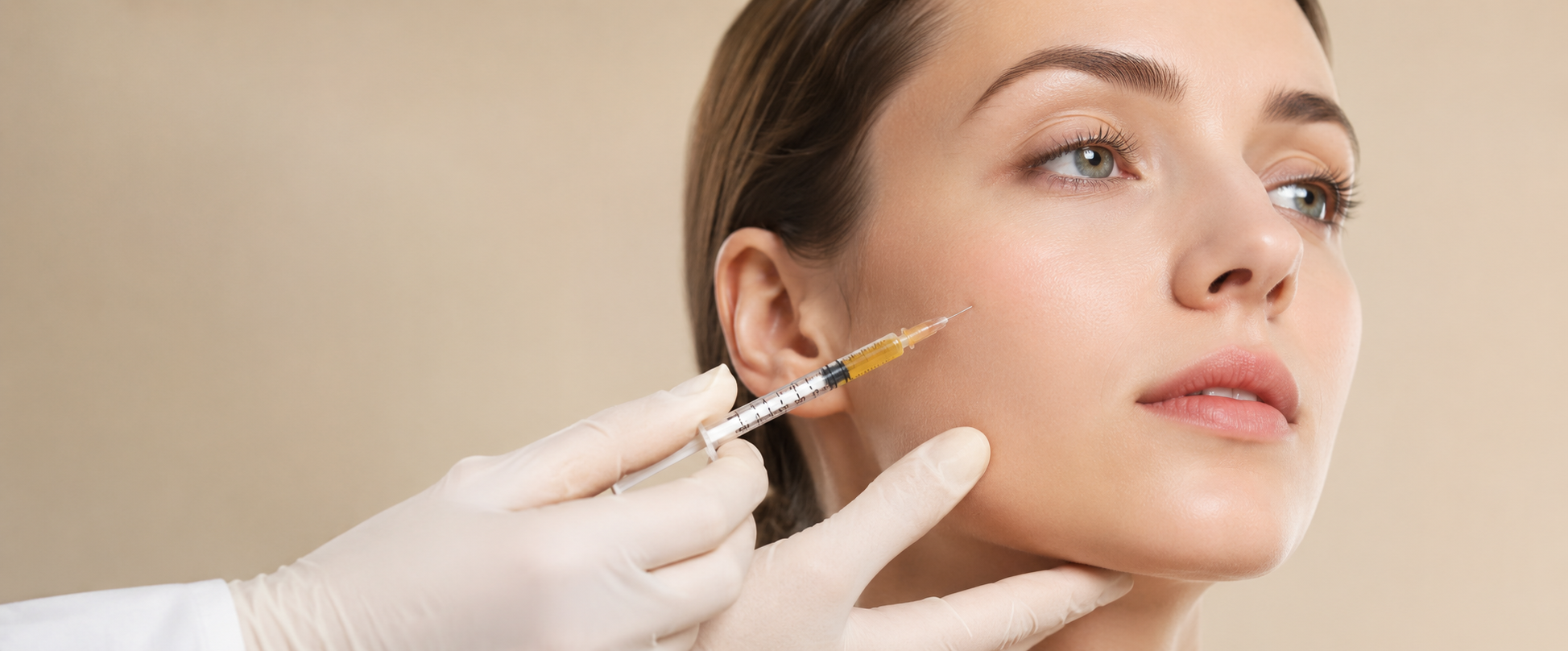
As time passes, the structural composition of the face changes significantly. One of the most prominent signs of aging is the natural depletion of subcutaneous fat, leading to a loss of volume in critical areas. This depletion often results in sunken cheeks, pronounced hollows beneath the eyes, and deepening folds around the mouth. While dermal fillers have long provided a temporary solution, many individuals seek a more enduring and holistic approach to facial rejuvenation.
To achieve a naturally refreshed appearance, patients are increasingly looking toward autologous tissue treatments. By utilizing the body's own resources, modern plastic surgery can restore youthful dimensions with high compatibility. This strategy circumvents the need for foreign synthetic substances, creating soft and subtle transitions across facial planes.
When considering long term volume restoration, a customized facial fat transfer offers a sophisticated alternative to temporary injectables. This advanced procedure harvest excess adipose tissue from a donor site, such as the abdomen or thighs, and strategically transfers it to areas requiring fullness. Because the treatment relies on your own cells, the integrated tissue behaves dynamically, providing a seamless and highly organic enhancement.
The Science of Autologous Fat Grafting
The process of transferring tissue depends deeply on advanced micro-cannula technology and meticulous purification systems. During the first stage, gentle liposuction is performed on a predetermined donor area where stable fat reserves exist. This step must be executed with extreme precision to ensure the harvested cells remain completely viable and undamaged.
Once the tissue is collected, it undergoes a specialized filtration or centrifugation process to separate pure fat cells from systemic fluids. The concentrated, high quality adipocytes are then meticulously prepared for injection. This clean, purified structure serves as a natural, living matrix ready to re-integrate into its new environment.
The final phase involves injecting the processed cells into the targeted facial layers using multi-planar techniques. Tiny droplets are placed at varying depths to maximize access to the local blood supply. This intricate placement ensures the newly transferred cells receive essential nutrients, which is key to supporting overall cell survival and long term retention.
Key Treatment Areas for Facial Rejuvenation
The loss of facial volume rarely happens uniformly, making a personalized mapping approach essential for every patient. The midface region, particularly the cheeks and sub-orbital hollows, is usually the first area to show signs of skeletalization and deflation. Restoring volume here lifts the midface and minimizes the appearance of tired under eye circles.
Another vital zone includes the temples and the perioral area, which comprises the lines running from the nose to the mouth. Hollow temples can inadvertently create an aged or gaunt appearance, while volumizing the lines around the mouth softens deep expression folds. Re-establishing fullness in these strategic zones restores the smooth, continuous curves characteristic of a youthful profile.
Furthermore, the jawline and lips can be subtly enhanced using micro-fat grafting techniques to redefine borders. Softening a rigid jawline or adding natural plumpness to thinning lips helps balance the entire face. This comprehensive structural approach ensures that all facial features harmonize beautifully without looking overdone.
Benefits of Choosing Autologous Tissue
One of the greatest advantages of using autologous tissue is the complete elimination of adverse allergic reactions. Because the material is harvested directly from your own body, the immune system recognizes it as native tissue. This significantly reduces the risk of rejection or late stage inflammatory responses sometimes associated with synthetic alternatives.
Beyond safety, the sheer longevity of the treatment makes it a highly attractive option for facial contouring. While standard hyaluronic acid fillers naturally break down over several months, successfully integrated fat cells remain permanently. Although some initial volume reabsorption is expected in the first ninety days, the remaining tissue establishes a permanent home in the face.
Additionally, fat tissue is naturally rich in regenerative properties and stem cells that actively improve the surrounding skin. Over the months following the procedure, patients frequently notice an visible enhancement in skin texture, tone, and overall radiance. The treatment provides a dual benefit by restoring deep structural volume while simultaneously rejuvenating the surface layers of the skin.
Customizing the Patient Experience
Every facial structure is entirely unique, requiring a deeply customized treatment plan rather than a standardized, one size fits all application. During your comprehensive clinical evaluation, your structural anatomy, skin elasticity, and aesthetic goals are thoroughly analyzed. This careful assessment helps determine the precise volume required and identifies the most suitable donor sites on your body.
The surgical strategy is tailored to address specific areas of deflation while honoring your natural expressions. Whether performed as an independent treatment or combined with other advanced procedures, the goal remains a balanced outcome. Sophisticated planning allows for highly predictable contours that complement your individual features.
Open communication regarding your expectations ensures that the final design aligns beautifully with your personal aesthetic vision. Our team meticulously details every phase of the process, ensuring you feel completely informed and confident. This collaborative approach forms the foundation of a safe, comfortable, and deeply satisfying transformative journey.
Complementary Procedures for Global Rejuvenation
To achieve the most comprehensive outcome, structural tissue grafting is frequently paired with advanced surgical lifting techniques. For example, combining a deep plane facelift with volume restoration addresses both tissue sagging and structural deflation simultaneously. While the lift repositions displaced muscles and deeper tissues, the transferred fat restores the soft fullness of youth.
Non surgical skin tightening treatments can also be integrated into your overarching aesthetic plan to boost surface health. Innovative modalities like Morpheus8 radiofrequency microneedling work beautifully alongside structural grafting by remodeling subdermal collagen. This powerful combination addresses deep volume loss while tightening and smoothing the outer layers of the skin.
Furthermore, specialized medical grade skincare regimens and targeted laser treatments can be introduced during your recovery phase. These targeted therapies address superficial imperfections such as hyperpigmentation, fine lines, and uneven skin texture. Combining volume restoration with advanced surface rejuvenation creates an incredibly vibrant, long lasting, and completely harmonious result.
Advanced Post Operative Recovery and Aftercare
The path to achieving your final aesthetic outcome relies heavily on following a structured, professional aftercare protocol. Immediately after the procedure, experiencing mild swelling and localized bruising at both the harvest and injection sites is entirely normal. Using cold compresses during the initial forty eight hours helps manage early swelling and keeps you comfortable.
To protect the newly transferred cells, avoiding any direct pressure on the treated facial zones for at least one week is critical. Patients are advised to sleep flat on their backs and avoid strenuous physical activities that could elevate blood pressure. Wearing supportive compression garments on the donor area for two weeks helps ensure smooth healing and optimal body contouring.
Our practice also integrates specialized recovery therapies, such as Hyperbaric Oxygen Therapy, to accelerate tissue healing and maximize graft survival. Gentle lymphatic drainage massages can be introduced around the second week to help reduce residual swelling smoothly. Protecting your skin with a high quality, broad spectrum sunblock remains essential to safeguard your beautiful results.
Frequently Asked Questions
How long do the results of a facial fat transfer last?
The results of this procedure are considered long lasting and largely permanent. While your body will naturally reabsorb a portion of the transferred fat cells during the first three months, the cells that successfully integrate develop a permanent blood supply. These surviving cells remain indefinitely and will age naturally along with the rest of your facial tissue.
What is the typical recovery time after the procedure?
Most patients feel comfortable returning to regular social activities and light work within seven to ten days following the treatment. By this time, the majority of initial swelling and bruising will have faded significantly and can be easily concealed with light makeup. Complete tissue settling and final contour refinements typically manifest over the course of three months.
Where is the donor fat usually harvested from?
The fat cells are typically harvested from areas of the body that possess stable, dense reserves of adipose tissue. The most common donor sites include the lower abdomen, love handles, or the inner and outer thighs. Your surgeon will carefully evaluate your body contours during your consultation to select the most suitable and complementary harvest zone.
Is the procedure performed under local or general anesthesia?
The choice of anesthesia depends largely on the overall extent of the transfer and whether it is being combined with other surgical procedures. When performed as an isolated treatment, it can often be comfortably managed using local anesthesia with sedation. For more extensive facial rejuvenation plans or combined surgeries, general anesthesia is utilized to guarantee absolute patient comfort.
How does fat grafting compare to temporary dermal fillers?
Dermal fillers offer a quick, non surgical option using synthetic gels that typically dissolve within six to eighteen months. In contrast, autologous fat grafting utilizes your body's own living cells to deliver a permanent, highly natural volumizing solution. Additionally, fat tissue contains regenerative properties that actively enhance skin quality and radiance over time, a benefit synthetic fillers cannot replicate.
 French
 English
 Arabic
 Spanish
 Portuguese
 Deutsch
 Turkish
 Dutch
Dutch
 Italiano
 Russian
 Romaian
 Portuguese (Brazil)
 Greek
Greek
