


 Pro Benefits

 الشروط
 الخصوصية
 Child Safety & Protection
 الإشعارات
 Ayrush Global It Services Pvt Ltd
What is Video SEO: How to Optimize Videos for Higher Rankings
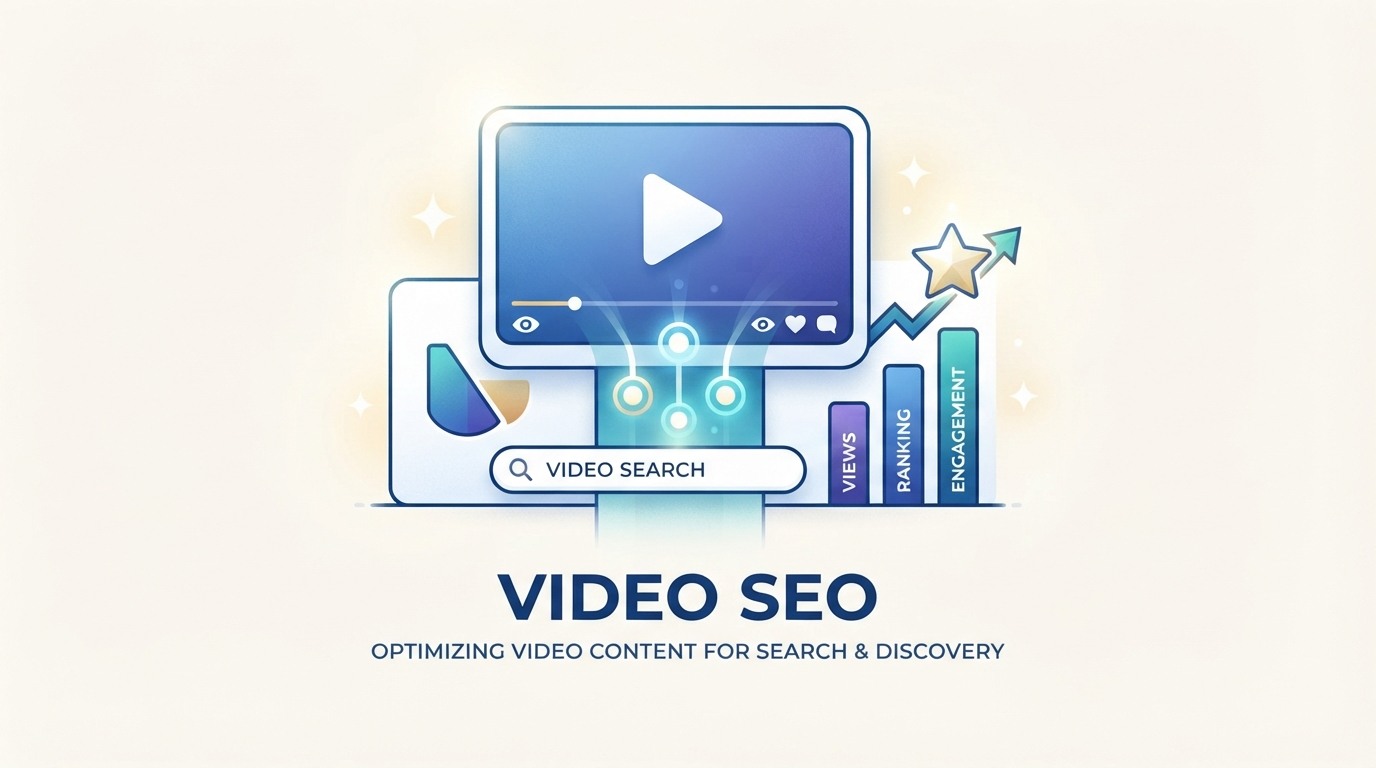
What is Video SEO: How to Optimize Videos for Higher Rankings
Video content plays an important role in modern digital marketing. People watch product demonstrations, tutorials, reviews, interviews, and educational videos before making decisions. Search engines also display video results across Google Search and YouTube, giving businesses another opportunity to reach their audience. A well-planned Video SEO strategy helps your videos rank higher, attract more viewers, and increase engagement.
Success depends on more than producing quality videos. Search engines need clear signals to understand your content, while viewers expect relevant titles, fast loading, and engaging experiences. This guide explains practical strategies for improving YouTube SEO, video optimization, video keyword research, and video metadata optimization.
What Is Video SEO?
Video SEO is the process of optimizing video content so search engines and video platforms understand, index, and rank it for relevant searches.
A complete Video SEO strategy focuses on:
-
Video titles
-
Descriptions
-
Keywords
-
Thumbnails
-
Transcripts
-
Closed captions
-
Structured data
-
Video sitemaps
-
User engagement
Together, these elements improve discoverability across Google Search and YouTube.
Why Video SEO Matters
Video continues to influence how people search for information and evaluate products or services.
An effective Video SEO strategy helps your business:
-
Increase organic visibility
-
Reach new audiences
-
Improve engagement
-
Generate website traffic
-
Build brand authority
-
Support lead generation
Well-optimized videos also appear in Google's video results, featured snippets, and YouTube search.
Start with Video Keyword Research
Every successful campaign begins with video keyword research.
Identify search terms users enter before watching videos related to your topic.
Focus on keywords with clear search intent, including:
-
Tutorials
-
Product reviews
-
Comparisons
-
How-to searches
-
Industry questions
-
Educational topics
Include primary and related keywords naturally in your titles, descriptions, and spoken content.
Keyword research should reflect the language your audience uses during searches.
Improve YouTube SEO
YouTube SEO helps videos perform better within YouTube's search and recommendation system.
Optimize every upload by including:
Descriptive Video Titles
Create clear titles containing your primary keyword near the beginning.
Titles should accurately represent the video's content.
Detailed Video Descriptions
Write informative descriptions explaining:
-
Main topic
-
Key points
-
Products or services discussed
-
Relevant links
-
Calls to action
Descriptions provide additional context for search engines and viewers.
Custom Thumbnails
An attractive thumbnail improves click-through rate.
Use:
-
High-resolution images
-
Readable text
-
Clear subject focus
-
Consistent branding
Thumbnails influence whether users choose your video over competing results.
Focus on Video Metadata Optimization
Strong video metadata optimization helps search engines understand your content.
Important metadata includes:
-
Video title
-
Description
-
Tags
-
Category
-
Thumbnail
-
Language
-
Upload date
Accurate metadata improves indexing and search relevance.
Add Transcripts and Closed Captions
Transcripts provide searchable text for search engines.
Closed captions improve accessibility while helping viewers follow your content.
Benefits include:
-
Better keyword relevance
-
Improved accessibility
-
Higher audience engagement
-
Stronger search visibility
Captions also support viewers watching videos without sound.
Optimize Videos on Your Website
If you host videos on your website, technical optimization becomes essential.
Best practices include:
-
VideoObject schema markup
-
Video XML Sitemap
-
Fast page loading
-
Mobile-friendly layouts
-
HTTPS security
-
Descriptive page titles
Structured data helps Google understand embedded video content and display rich video results.
Improve User Engagement
Search engines evaluate user behavior when ranking videos.
Important engagement signals include:
-
Watch time
-
Audience retention
-
Click-through rate
-
Comments
-
Shares
-
Likes
-
Subscribers
Create valuable content that keeps viewers engaged throughout the video.
Strong introductions and clear organization encourage longer viewing sessions.
Monitor Video Performance
Review analytics regularly to improve future content.
Useful tools include:
-
YouTube Studio
-
Google Search Console
-
Google Analytics
Track important metrics such as:
-
Impressions
-
Click-through rate
-
Watch time
-
Audience retention
-
Average view duration
-
Traffic sources
-
Subscriber growth
Performance data identifies opportunities for continuous improvement.
Common Video SEO Mistakes
Many creators reduce visibility because of preventable errors.
Common mistakes include:
-
Weak titles
-
Missing descriptions
-
Poor thumbnails
-
No transcripts
-
Keyword stuffing
-
Ignoring audience retention
-
Missing structured data
-
Slow-loading video pages
Routine optimization helps maintain consistent search performance.
How Video SEO Helps to Rank Nationally?
Video SEO plays an important role in improving your visibility across national search results by increasing your brand's reach beyond local audiences. Optimized videos can appear in Google Search, YouTube, and other search features, driving qualified traffic from users across the country. When videos are embedded on optimized landing pages, they improve user engagement, increase time on page, and support stronger SEO signals. Combined with a well-planned national SEO strategy, Video SEO helps build brand authority, attract a wider audience, and improve rankings for competitive keywords on a national scale.
Frequently Asked Questions
What is Video SEO?
Video SEO is the process of optimizing video content so search engines and video platforms rank it for relevant searches, resulting in greater visibility and audience engagement.
Why is YouTube SEO important?
YouTube SEO improves video visibility within YouTube search results and recommendations, helping creators reach more viewers.
What is video keyword research?
Video keyword research identifies search terms viewers use when looking for video content related to specific topics, products, or services.
What is video metadata optimization?
Video metadata optimization improves titles, descriptions, tags, categories, thumbnails, and other information that helps search engines understand video content.
How do transcripts improve Video SEO?
Transcripts provide searchable text, improve accessibility, strengthen keyword relevance, and help search engines understand video content more effectively.
 Arabic
 English
 French
 Spanish
 Portuguese
 Deutsch
 Turkish
 Dutch
Dutch
 Italiano
 Russian
 Romaian
 Portuguese (Brazil)
 Greek
Greek
