


 Pro Benefits
 О нас
О нас
 Условия использования
 Конфиденциальность
 Child Safety & Protection
 Оповещения
 Ayrush Global It Services Pvt Ltd
Key Properties of High-Performance Solar Encapsulant Films
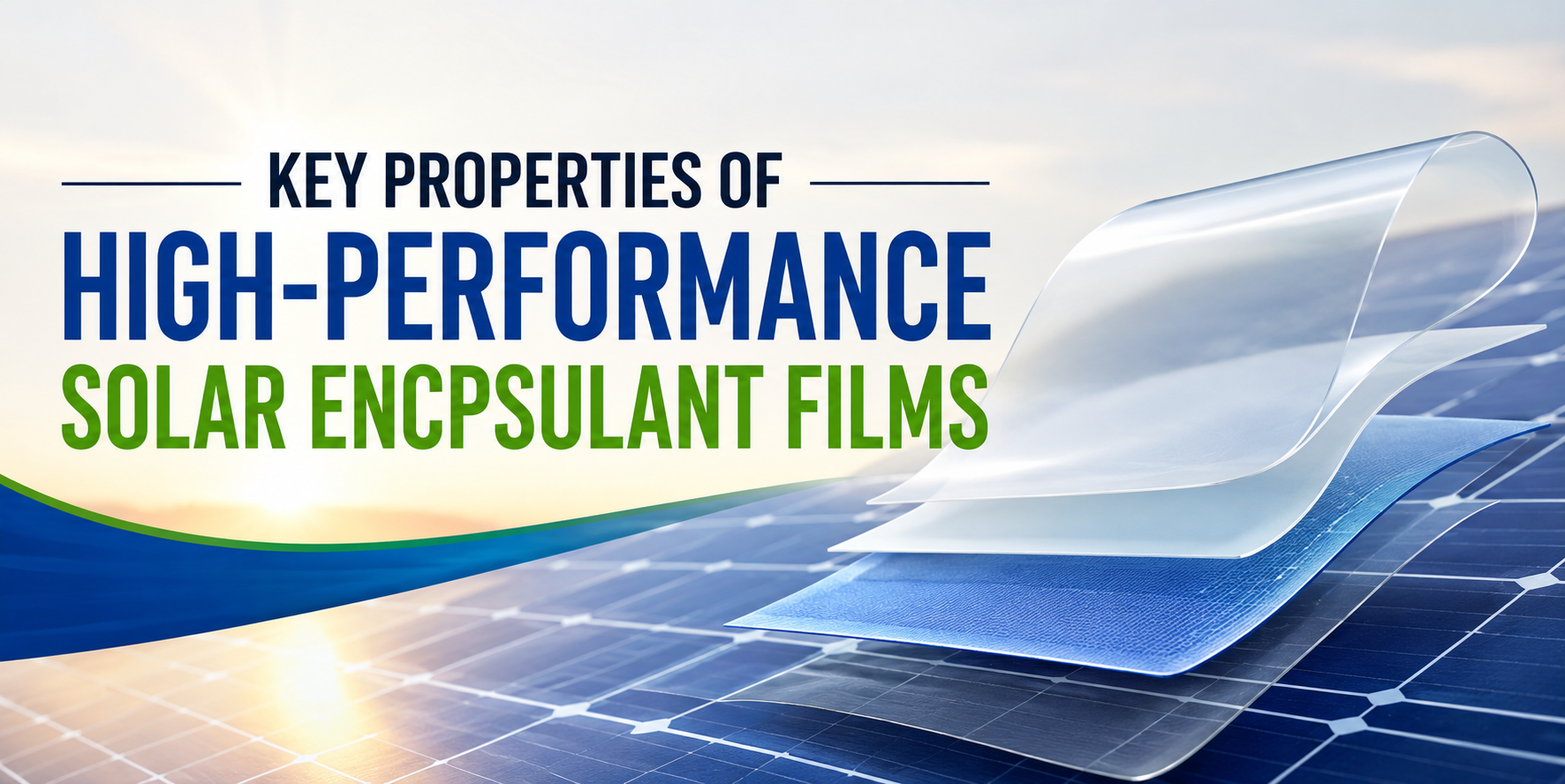
When you look at a solar panel, you see glass and metal. But there is a hidden hero inside that keeps everything working. This hero is the thin layer that wraps around the solar cells. High-quality Solar Encapsulant Films are the glue that holds the panel together. They protect the delicate cells from the outside world. Without a good solar encapsulant film, a solar panel would fail very quickly.
Imagine a solar panel sitting on a roof for twenty-five years. It faces burning sun, heavy rain, and freezing snow. To survive this, the materials used must be very tough. This article will help you understand what makes these films work so well. We will look at the top features that help panels last a long time and make plenty of clean energy.
What Is a Solar Encapsulant Film?
A encapsulant film is a thin sheet of plastic-like material. During the solar panel manufacturing process, these sheets are placed on both sides of the solar cells. They are then heated and pressed together. This process creates a tight seal. This seal protects the cells from air, dust, and moisture.
Solar cells are very thin and can break easily. Solar Encapsulant Films provide a cushion that keeps the cells safe from shaking or hitting. They also help the panel stay clear so that sunlight can reach the cells easily. Brands like raynex solar focus on using the best materials to ensure every panel stays strong and works at its best for decades.
Key Properties of High-Performance Solar Encapsulant Films
1. Excellent Optical Transparency
The main job of a solar panel is to catch sunlight. If the film inside is cloudy, the light cannot reach the cells. High-quality Solar Encapsulant Films must be very clear. This is called optical transparency. It means that almost 100% of the sunlight passes through the film to the solar cells.
If the film is not clear, the panel loses power. Over time, some cheap films can turn yellow. This yellow color blocks light and makes the panel less efficient. High-performance films are designed to stay clear for many years, even under direct sunlight. This ensures the panel produces as much power as possible from day one to year twenty-five.
2. Strong Adhesion Strength
Adhesion is just a fancy word for sticking. The film must stick perfectly to the glass, the solar cells, and the back sheet. If the film peels away, it creates gaps. These gaps allow air and water to get inside. This can cause the metal parts to rust and the cells to stop working.
A great Solar Encapsulant Films layer has strong bonding power. It creates a permanent lock between all the parts of the panel. This bond must stay strong even when the panel gets very hot in the summer or very cold in the winter. If the sticking power is weak, the whole panel can fall apart over time.
3. UV Resistance
The sun sends out powerful UV rays. These rays can damage many types of plastic. They make them brittle or change their color. Since solar panels live in the sun, their internal films must have high UV resistance. This means the material does not break down when it is hit by sunlight every day.
Special chemicals are added to the film to help it fight UV damage. This keeps the film flexible and clear. Without UV resistance, a panel would become weak and lose its ability to protect the cells within just a few years. High-performance films are tested for thousands of hours to make sure they can handle the sun.
4. Moisture Resistance
Water is the enemy of electronics. If moisture gets inside a solar panel, it can cause short circuits. It can also make the metal wires inside the panel turn green or brown from rust. A high-quality encapsulation film acts as a waterproof shield. It keeps the inside of the panel bone-dry.
Some materials are better at blocking water than others. For example, newer films are being made that have a very low water vapor rate. This is especially important for panels used in rainy or humid places. By keeping water out, these films prevent the panel from losing power and help it stay safe to use.
5. Thermal Stability
Solar panels get very hot. On a summer day, the temperature inside a panel can go above 85 degrees Celsius. The film inside must be able to handle this heat without melting or changing shape. This is called thermal stability. The film needs to stay solid and keep its grip on the components.
If the material is not stable, it might shrink or expand too much. This movement can put stress on the solar cells and cause them to crack. High-performance Solar Encapsulant Films are built to stay calm and steady no matter how high the temperature climbs. This helps the panel maintain its structure for a long time.
6. Electrical Insulation
Solar panels create electricity. This electricity needs to flow through the wires and into your home. It should not leak out into the frame or the glass. The film inside acts as an insulator. This means it does not let electricity pass through it. It keeps the power where it belongs.
Good electrical insulation is also a safety feature. It prevents people from getting shocked if they touch the panel frame. High-performance films have high dielectric strength. This is a technical way of saying they are very good at stopping electricity from leaking out through the film layer.
7. Mechanical Strength
Solar panels have to deal with physical stress. Think about heavy wind or a thick layer of snow sitting on the panel. Even the process of shipping the panels can cause vibration. The Solar Encapsulant Films provide mechanical strength. They act like a shock absorber for the fragile solar cells.
The film is tough yet flexible. It allows the panel to bend slightly without breaking the cells inside. This toughness is vital for the panel to survive the 25-year warranty that most companies offer. It ensures that the panel stays one solid unit even when the weather gets rough.
8. Weather Resistance
Weather resistance is the ability to handle everything the sky throws at the panel. This includes rain, hail, snow, and salt air if the panel is near the ocean. A high-grade encapsulation film is tested against these conditions. It must not crack or lose its properties when the weather changes suddenly.
For example, if it is a hot sunny day and then a cold rainstorm starts, the panel cools down very fast. This fast change can cause some materials to snap. Good weather-resistant films are designed to handle these quick changes without any problems. This keeps the panel working in every climate on Earth.
9. Anti-PID Performance
PID stands for Potential Induced Degradation. It is a big name for a simple problem: power loss. It happens when electricity leaks from the cells to the frame of the panel. This usually happens in hot and wet weather. Over time, PID can make a panel lose half of its power or more.
High-performance Solar Encapsulant Films are designed to prevent this leakage. They have special ingredients that stop the movement of ions. This keeps the electricity moving in the right direction. Using anti-PID films is one of the best ways to make sure a solar farm keeps producing high amounts of energy for many years.
10. Long-Term Durability
Durability is the result of all the other properties. It means the film stays working for a very long time. A solar panel is a big investment. People expect them to work for 25 to 30 years. The film must be able to survive for that entire time without failing.
Companies like raynex solar look for films that have been tested in labs to simulate 25 years of outdoor life. If the film can survive the heat, the cold, the sun, and the rain in a lab, it is ready for the real world. Long-term durability ensures that the solar panel manufacturing process results in a product that customers can trust.
Types of Solar Encapsulant Films
EVA (Ethylene Vinyl Acetate)
Solar EVA Encapsulant is the most common type of encapsulant film. It has been used for a long time and is very affordable. It is clear and sticks well to glass. However, EVA can sometimes turn yellow if it is not made perfectly. It also lets a tiny bit of moisture through over many years. Even so, it is the standard choice for most home solar panels because it works well and costs less.
POE (Polyolefin Elastomer)
POE is a newer type of material. It is much better at blocking moisture than EVA. It is also excellent at preventing PID. Because of this, POE solar is often used for high-end panels or panels used in very wet places. It is a bit more expensive, but the extra protection it provides can be worth the cost for many large solar projects.
EPE (EVA-POE-EVA)
EPE encapsulant is a sandwich film. It has a layer of POE in the middle and layers of EVA on the outside. This gives you the best of both worlds. The EVA helps it stick to the glass and cells easily. The POE middle layer provides a strong barrier against moisture and PID. It is becoming very popular in the modern solar panel manufacturing process because it offers high performance and good value.
Conclusion
Choosing the right Solar Encapsulant Films is one of the most important decisions in making a solar panel. These thin layers protect the cells, ensure safety, and keep the power flowing for decades. From transparency to moisture resistance, every property plays a part in the success of a solar energy system.
When you choose a brand like raynex solar, you are choosing a product that values these high-performance materials. By understanding these properties, you can see why some panels last longer and work better than others. Good encapsulation is the secret to a bright and sustainable solar future.
Contact Raynex Solar
Address:
806, Sarthana Business Hub, Sarthana-Jakatnaka, Surat , Gujarat - 395006.
Phone:
+91 87586 12077
Frequently Asked Questions
What is the main purpose of a solar encapsulant film?
The main purpose is to protect the solar cells from moisture, dirt, and physical damage. It also bonds the layers of the solar panel together and ensures that sunlight can reach the cells clearly.
Which encapsulant is better: EVA or POE?
POE is generally considered better for moisture resistance and preventing power loss (PID). However, EVA is more affordable and very effective for standard environments. Many modern panels use EPE, which combines both materials.
How long do solar encapsulant films last?
High-performance films are designed to last as long as the solar panel itself, which is typically between 25 and 30 years, without losing their protective properties.
Can encapsulants improve solar panel efficiency?
Yes. By having high optical transparency, they allow more light to reach the cells. They also prevent power degradation over time, which keeps the efficiency high for many years.
What causes encapsulant yellowing?
Yellowing is usually caused by low-quality materials reacting to UV rays from the sun. High-performance films include UV stabilizers to prevent this from happening.
Q: How do encapsulants protect against moisture?
They act as a physical barrier with low permeability. This means they are tightly sealed and made of materials that do not allow water vapor to pass through to the sensitive solar cells.
Q: Are solar encapsulants recyclable?
Recycling is possible but difficult because the film is melted and bonded to the glass and cells. Newer recycling technologies are being developed to separate these materials more effectively.
Проверенные пользователи
 Russian
 English
 Arabic
 French
 Spanish
 Portuguese
 Deutsch
 Turkish
 Dutch
Dutch
 Italiano
 Romaian
 Portuguese (Brazil)
 Greek
Greek
