


 Pro Benefits
 About
About
 Koşullar
 Gizlilik
 Child Safety & Protection
 Bildirimler
 Ayrush Global It Services Pvt Ltd
Walk In Freezer Problems That Quietly Increase Operating Costs
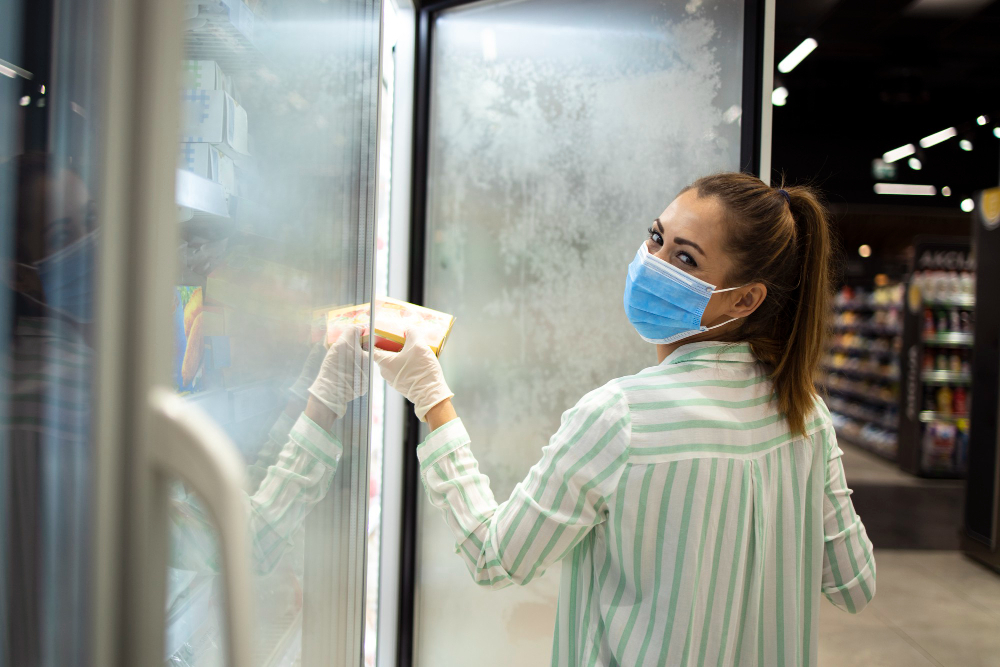
A walk in freezer is one of the most valuable pieces of equipment in restaurants, supermarkets, food processing plants, pharmaceutical facilities, and distribution centers. It protects temperature-sensitive products, supports food safety, and helps businesses manage large inventories.
When a walk-in freezer operates efficiently, it maintains stable temperatures while keeping energy costs under control. However, even small problems can force the refrigeration system to work much harder than necessary. Worn door seals, ice buildup, poor airflow, or neglected maintenance often increase operating costs long before equipment fails.
The good news is that these issues rarely appear overnight. Most develop gradually and leave clear warning signs if you know what to look for.
This article explains the most common walk in freezer problems, why they happen, and how preventive maintenance helps avoid expensive repairs.
Why Small Freezer Problems Become Big Expenses
A commercial walk-in freezer constantly removes heat to maintain freezing temperatures.
Every time warm air enters through an open door or damaged seal, the refrigeration system must remove that heat before temperatures return to normal.
According to the U.S. Department of Energy (DOE), air leaks and poor insulation increase refrigeration energy consumption because compressors operate longer to maintain target temperatures.
Think of your freezer like a marathon runner. A little extra work every day may not seem important, but over time it leads to higher energy use, increased wear, and costly repairs.
1. Damaged Door Seals Waste Cold Air
The freezer door gasket creates an airtight seal between the door and the frame.
After years of daily use, the gasket may:
- Crack
- Tear
- Become brittle
- Collect dirt
- Pull away from the frame
Even small gaps allow warm, humid air to enter continuously.
Common warning signs include:
- Frost around the doorway
- Condensation
- Longer compressor cycles
- Rising electricity bills
Cleaning and inspecting door seals every month helps maintain proper cooling performance.
2. Ice Buildup Usually Signals Another Problem
Many operators assume ice inside a walk in freezer is completely normal.
A thin layer of frost can occur during normal operation.
Heavy ice buildup usually indicates another issue.
Common causes include:
- Damaged door seals
- Doors left open too long
- Defrost system problems
- High humidity entering the freezer
Ice restricts airflow and forces refrigeration equipment to work harder.
If your freezer starts looking like an iceberg exhibit, it needs maintenance—not penguins.
3. Poor Airflow Creates Uneven Freezing
Many businesses maximize storage by filling every available shelf.
Unfortunately, overloaded storage blocks airflow.
When cold air cannot circulate properly, the freezer develops temperature differences.
Poor airflow may cause:
- Uneven freezing
- Longer cooling cycles
- Increased compressor workload
- Reduced product quality
The U.S. Food and Drug Administration (FDA) recommends maintaining proper frozen storage temperatures to help preserve food safety and product quality.
Leaving space around evaporator fans allows cold air to move freely.
4. Dirty Evaporator and Condenser Coils Reduce Efficiency
Coils transfer heat out of the freezer.
When dust, grease, or debris accumulate on condenser coils, heat transfer becomes less efficient.
The result:
- Higher energy consumption
- Longer compressor operation
- Reduced cooling performance
- Increased equipment wear
Routine cleaning improves refrigeration efficiency while helping extend equipment life.
According to ASHRAE (American Society of Heating, Refrigerating and Air-Conditioning Engineers), preventive maintenance plays an important role in maintaining refrigeration system performance.
5. Temperature Fluctuations Should Never Be Ignored
A freezer may feel cold while still experiencing temperature fluctuations.
Possible causes include:
- Air leaks
- Refrigerant issues
- Sensor problems
- Poor airflow
- Defrost system faults
Regular temperature monitoring helps identify small problems before they affect stored products.
Businesses that rely on frozen inventory cannot afford to rely only on "it feels cold enough."
6. Water Around the Freezer Is a Warning Sign
Water outside a walk-in freezer should never be ignored.
Possible causes include:
- Blocked drain lines
- Defrost drainage issues
- Door seal leaks
- Condensation
Standing water creates slipping hazards and may indicate problems affecting refrigeration performance.
Finding the source early usually prevents more expensive repairs later.
7. Delaying Maintenance Increases Repair Costs
Commercial refrigeration systems rarely fail without warning.
Small problems often appear first.
Watch for:
- Rising electricity bills
- Frost around doors
- Longer compressor cycles
- Water near entrances
- Ice buildup
- Temperature inconsistencies
Routine maintenance helps correct these issues before they become emergency service calls.
Preventive maintenance almost always costs less than replacing a failed compressor.
Best Practices for Keeping a Walk In Freezer Efficient
A simple maintenance routine can improve long-term performance.
Follow these recommendations:
- Inspect door gaskets monthly.
- Keep evaporator airflow clear.
- Clean condenser coils regularly.
- Remove excessive ice buildup.
- Monitor temperatures daily.
- Check drain systems.
- Schedule professional preventive maintenance.
These habits improve cooling efficiency while reducing unnecessary operating costs.
When Should You Replace a Walk In Freezer?
Repairs solve many refrigeration problems.
Replacement often becomes the better investment when you notice:
- Frequent compressor failures
- Poor insulation performance
- Structural panel damage
- Repeated refrigerant issues
- Rising energy costs despite regular maintenance
Modern walk-in freezers often include improved insulation, energy-efficient refrigeration systems, and advanced temperature controls that reduce long-term operating expenses.
Final Thoughts
A walk in freezer protects valuable inventory, supports food safety, and plays a critical role in daily business operations. Problems such as damaged door seals, blocked airflow, dirty coils, excessive ice buildup, or poor maintenance may appear minor, but they often increase energy consumption and shorten equipment life.
Routine inspections, proper cleaning, and preventive maintenance help identify these issues before they become expensive repairs. Investing in regular maintenance today keeps your freezer running efficiently, protects frozen products, and helps control operating costs for years to come.
 Turkish
 English
 Arabic
 French
 Spanish
 Portuguese
 Deutsch
 Dutch
Dutch
 Italiano
 Russian
 Romaian
 Portuguese (Brazil)
 Greek
Greek
