


 Pro Benefits
 Sobre
Sobre
 Termos
 Privacidade
 Child Safety & Protection
 Notificações
 Ayrush Global It Services Pvt Ltd
Custom Construction Software for Australian Builders: Features, Benefits, and Cost Guide
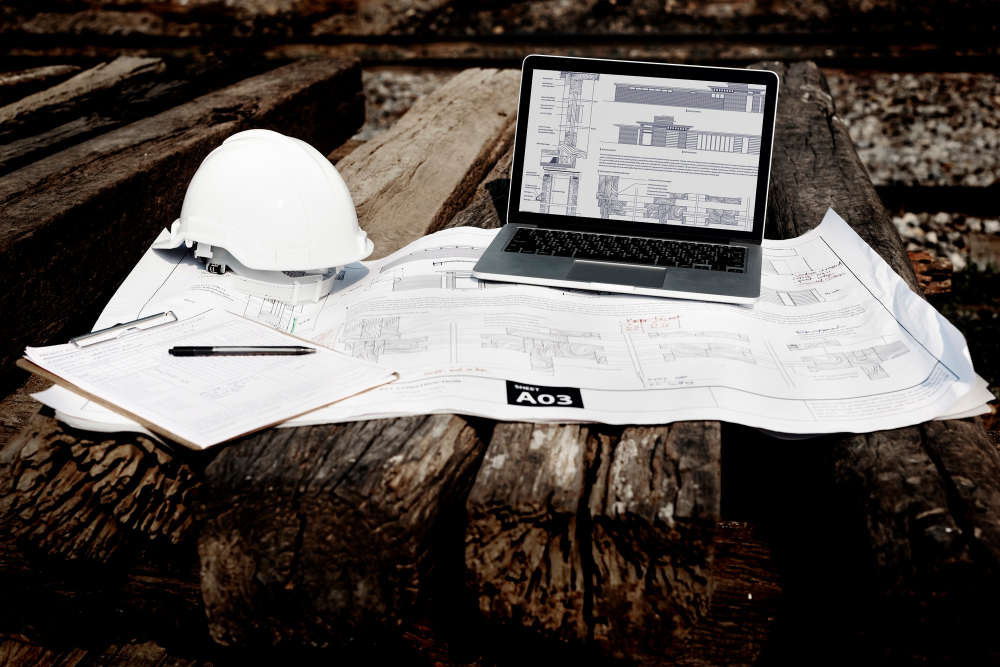
Construction businesses across Australia are facing increasing demands to complete projects on schedule, manage costs carefully, and maintain compliance with industry regulations. At the same time, project teams must coordinate contractors, suppliers, office staff, and field workers across multiple job sites. As these responsibilities grow, many companies find that spreadsheets and generic software are no longer enough.
This shift has encouraged more businesses to invest in Custom Construction Software for Australian Builders. Rather than adjusting business processes to match the limitations of standard software, builders are choosing platforms designed specifically for the way they plan, manage, and deliver projects.
This guide explains what custom construction software is, how it differs from off-the-shelf products, the features every solution should include, and why more Australian builders are choosing custom platforms to support long-term growth.
What Is Custom Construction Software?
Construction software is designed to help builders manage projects, budgets, resources, documents, and communication from a centralized platform. Unlike general business software, it focuses on the unique requirements of construction companies, including project scheduling, site management, procurement, inspections, and financial tracking.
Custom software goes one step further by adapting to a company's existing processes rather than requiring employees to change how they work. This creates a more practical solution that reflects the day-to-day operations of the business.
Choosing the right software begins with understanding how custom solutions differ from commercial products and determining whether they match your operational needs.
How It Differs from Off-the-Shelf Software
Off-the-shelf software is built to serve a broad range of businesses. While it usually includes common project management features, it may also contain functions that construction companies never use, while missing capabilities that are essential for construction projects.
Custom construction software is developed around the builder's own workflows. Approval processes, reporting requirements, user roles, and project stages can all be configured to match existing business operations. This reduces unnecessary workarounds and allows teams to use the software more efficiently.
Another advantage is flexibility. As the business grows or operational requirements change, new features and integrations can be added without replacing the entire platform.
Types of Construction Software
Construction companies often use different software depending on their operational requirements.
Common categories include:
-
Construction project management systems
-
Estimating and costing software
-
Site inspection and quality management tools
-
Procurement and inventory management systems
-
Equipment and asset management platforms
-
Financial management and construction ERP solutions
-
Document management systems
Many custom platforms combine several of these capabilities into a single application, reducing the need to manage multiple disconnected systems.
Who Needs It?
Custom software is suitable for businesses that manage complex construction projects or operate across multiple locations.
It is particularly valuable for:
-
Residential builders
-
Commercial construction companies
-
Civil contractors
-
Infrastructure developers
-
Property developers
-
Design and build firms
Companies experiencing rapid growth often benefit the most because their operational processes become increasingly difficult to manage using standard software.
Key Features Every Custom Construction Software Should Include
The effectiveness of any construction management software depends on its ability to support the complete project lifecycle. Every feature should simplify daily operations, improve visibility, and reduce manual work rather than adding unnecessary complexity.
While individual business requirements vary, certain capabilities consistently provide value across construction projects of all sizes.
Project Planning
Project planning forms the foundation of successful construction management.
Planning tools should allow managers to create project schedules, assign milestones, allocate resources, and monitor critical deadlines from a centralized dashboard. Better planning also helps identify scheduling conflicts before they affect project delivery.
Integrated planning supports stronger coordination between office staff, subcontractors, and site supervisors.
Budget Management
Financial visibility is essential throughout every construction project.
Budget management features compare estimated costs with actual spending, helping managers monitor profitability and respond quickly to cost variations. Tracking labour, materials, subcontractor expenses, and equipment costs in one system provides a clearer understanding of overall project performance.
Accurate financial reporting also supports better forecasting for future projects.
Workforce Management
Construction projects depend on effective coordination between employees, subcontractors, and specialist contractors.
Workforce management modules help schedule teams, assign responsibilities, monitor attendance, and balance workloads across multiple projects. Better visibility into workforce availability reduces scheduling conflicts and improves resource utilization.
Equipment Tracking
Construction equipment represents a significant business investment.
Equipment tracking allows businesses to monitor machinery, tools, and vehicles across multiple sites. Managers can track maintenance schedules, equipment availability, and utilization rates while reducing downtime caused by misplaced or unavailable assets.
Document Management
Construction projects generate large volumes of documentation throughout every phase.
A centralized document management system stores contracts, engineering drawings, permits, inspection reports, invoices, variation requests, and compliance records in one secure location.
Version control ensures project teams always access the latest approved documents while reducing errors caused by outdated information.
Client Portal
Clients increasingly expect visibility into project progress.
A secure client portal allows customers to review milestones, approve documents, monitor progress, and communicate directly with project managers. This reduces routine enquiries while improving transparency throughout the construction process.
Better communication often contributes to stronger client relationships and smoother project delivery.
Reporting Dashboard
Decision-makers need access to reliable project information.
Reporting dashboards present key performance indicators such as budget status, project progress, labour utilization, outstanding issues, and upcoming milestones in an easy-to-read format.
Having current information readily available allows managers to make informed decisions without waiting for manually prepared reports.
Mobile App Integration
Construction teams rarely remain in one location throughout the day.
Modern builder software should provide mobile access so supervisors, engineers, and field workers can review project information, submit inspections, upload photographs, approve documents, and communicate with colleagues directly from construction sites.
Mobile functionality improves collaboration while reducing delays caused by paper-based reporting.
Benefits of Custom Construction Software
Investing in Custom Construction Software for Australian Builders offers advantages that extend beyond replacing spreadsheets or disconnected applications. A well-designed platform supports smoother project delivery, improves visibility across teams, and helps businesses make better operational decisions.
Because the software is built around existing workflows, employees spend less time adapting to new processes and more time focusing on project execution. This often leads to higher user adoption and more consistent use across the organization.
As construction businesses grow, custom software also provides the flexibility to introduce new features, users, and integrations without replacing the entire system.
Greater Operational Efficiency
Manual processes often require employees to enter the same information into multiple systems, prepare reports by hand, or search through emails and documents for project updates.
Custom software centralizes these activities into one platform. Automated workflows reduce repetitive administrative tasks and allow project teams to spend more time managing projects instead of paperwork.
Better Collaboration
Construction projects involve office staff, site supervisors, subcontractors, suppliers, consultants, and clients.
A shared platform allows everyone to access current project information, reducing communication gaps and helping teams work from the same set of data. This minimizes misunderstandings and supports faster decision-making.
Reduced Project Delays
Delays often occur because information is unavailable when it is needed or because issues are identified too late.
Real-time dashboards, project tracking, and automated notifications help managers detect scheduling conflicts, procurement issues, or resource shortages early. Addressing these issues sooner improves project delivery and keeps work moving according to plan.
Improved Cost Control
Construction costs can change quickly due to material prices, labour availability, or unexpected site conditions.
Integrated financial tracking allows managers to compare estimated and actual costs throughout the project. Early visibility into budget changes supports better financial planning and reduces the likelihood of unexpected overruns.
Easier Compliance Management
Australian construction businesses must maintain accurate records for inspections, permits, licences, safety documentation, and project approvals.
A centralized system stores compliance documents securely while providing reminders for inspections and certification renewals. This simplifies record keeping and reduces the risk of missing important regulatory requirements.
What Does Custom Construction Software Cost in Australia?
There is no single price for construction software in Australia because every project has different business requirements. Development costs depend on the scope of the platform, the number of users, technical complexity, and integration requirements.
Rather than focusing only on the initial investment, businesses should consider the long-term operational value that custom software provides through improved efficiency, reduced manual work, and better project oversight.
Understanding the factors that influence development costs helps companies plan realistic budgets before starting the project.
Factors That Affect Cost
Several elements influence the overall cost of software development, including:
-
Number of functional modules
-
Complexity of workflows
-
Mobile application requirements
-
Third-party integrations
-
User roles and permission levels
-
Reporting and analytics capabilities
-
Security and compliance requirements
Projects with more advanced functionality generally require additional development, testing, and implementation time.
Typical Development Timeline
Development timelines vary according to project size and complexity.
A basic construction management platform with core project management features may take several months to complete. Larger enterprise systems that include advanced reporting, construction ERP integration, procurement, mobile applications, and workflow automation require longer implementation periods.
Many businesses choose phased development, allowing important features to be released first while additional functionality is introduced over time.
Build vs Buy Comparison
Businesses often compare custom software with commercial products before making a decision.
|
Custom Software |
Off-the-Shelf Software |
|
Built around existing workflows |
Standard functionality for many industries |
|
Flexible and scalable |
Limited customization |
|
Integrates with existing business systems |
Integration options may be restricted |
|
Higher initial investment |
Lower upfront cost |
|
Long-term ownership and flexibility |
Ongoing subscription costs and feature limitations |
The right choice depends on business size, operational complexity, and long-term objectives.
How to Choose the Right Development Partner
Selecting the right software development partner is just as important as choosing the right technology. A successful project depends on clear communication, industry knowledge, and ongoing collaboration throughout development and after deployment.
When evaluating software providers, Australian builders should consider several key factors.
Industry experience is important because construction businesses have specialized operational requirements. A development team that understands construction workflows can identify practical solutions more quickly and reduce unnecessary development time.
Technical expertise should include experience with cloud platforms, mobile applications, security, system integration, and scalable software architecture. Reviewing previous projects and technical capabilities provides insight into the team's ability to deliver reliable software.
Post-launch support should also be part of the evaluation process. Software requires ongoing maintenance, updates, security improvements, and user support to remain effective over time.
Finally, consider scalability. The platform should support additional users, projects, locations, and business processes as the company grows without requiring major redevelopment.
Future Trends in Construction Software
Technology continues to influence how construction businesses manage projects, resources, and operational decision-making. While every company does not need the latest technology immediately, understanding future developments helps businesses make informed long-term investment decisions.
AI-Powered Project Planning
Artificial intelligence is increasingly being used to analyse historical project data, identify scheduling risks, estimate project durations, and recommend resource allocation strategies.
Rather than replacing project managers, AI supports better planning by identifying patterns that may not be immediately visible through manual analysis.
Predictive Analytics
Predictive analytics uses historical and real-time project information to forecast potential delays, budget variations, equipment maintenance needs, and workforce requirements.
These insights allow project teams to respond proactively before small issues become larger project risks.
IoT for Site Monitoring
Internet of Things (IoT) devices provide continuous monitoring of construction equipment, environmental conditions, site access, and asset locations.
Real-time monitoring improves equipment utilization, supports workplace safety, and provides greater visibility across active construction sites.
Digital Twins
Digital twins create virtual representations of physical construction projects using live project data.
These models help teams compare planned and actual project progress, monitor asset performance, and support long-term facility management after construction is complete.
BIM Integration
Building Information Modeling continues to play an increasingly important role in project coordination.
Integrating BIM with construction management software allows project teams to connect schedules, documentation, cost information, and design data within a unified digital environment. This improves collaboration throughout planning, construction, and ongoing maintenance.
Conclusion
Custom Construction Software for Australian Builders provides a practical way to manage increasingly complex construction projects while improving collaboration, financial visibility, and operational control. Unlike generic applications, custom platforms are designed around the specific workflows, reporting requirements, and business processes of each construction company.
By including essential project management features, supporting future growth, and integrating with existing business systems, custom software becomes a long-term business asset rather than simply another technology investment. As digital technologies continue to advance across the construction industry, businesses that build flexible and scalable software will be better prepared to manage future projects with greater efficiency and confidence.
 Portuguese
 English
 Arabic
 French
 Spanish
 Deutsch
 Turkish
 Dutch
Dutch
 Italiano
 Russian
 Romaian
 Portuguese (Brazil)
 Greek
Greek
