


 Pro Benefits
 Σχετικά
 Όρους
Όρους
 Ιδιωτικότητα
 Child Safety & Protection
 Ειδοποιήσεις
 Ayrush Global It Services Pvt Ltd
Outsourcing for Accountants: In-House Accounting vs Outsourcing – Which Is Better for UK Firms?
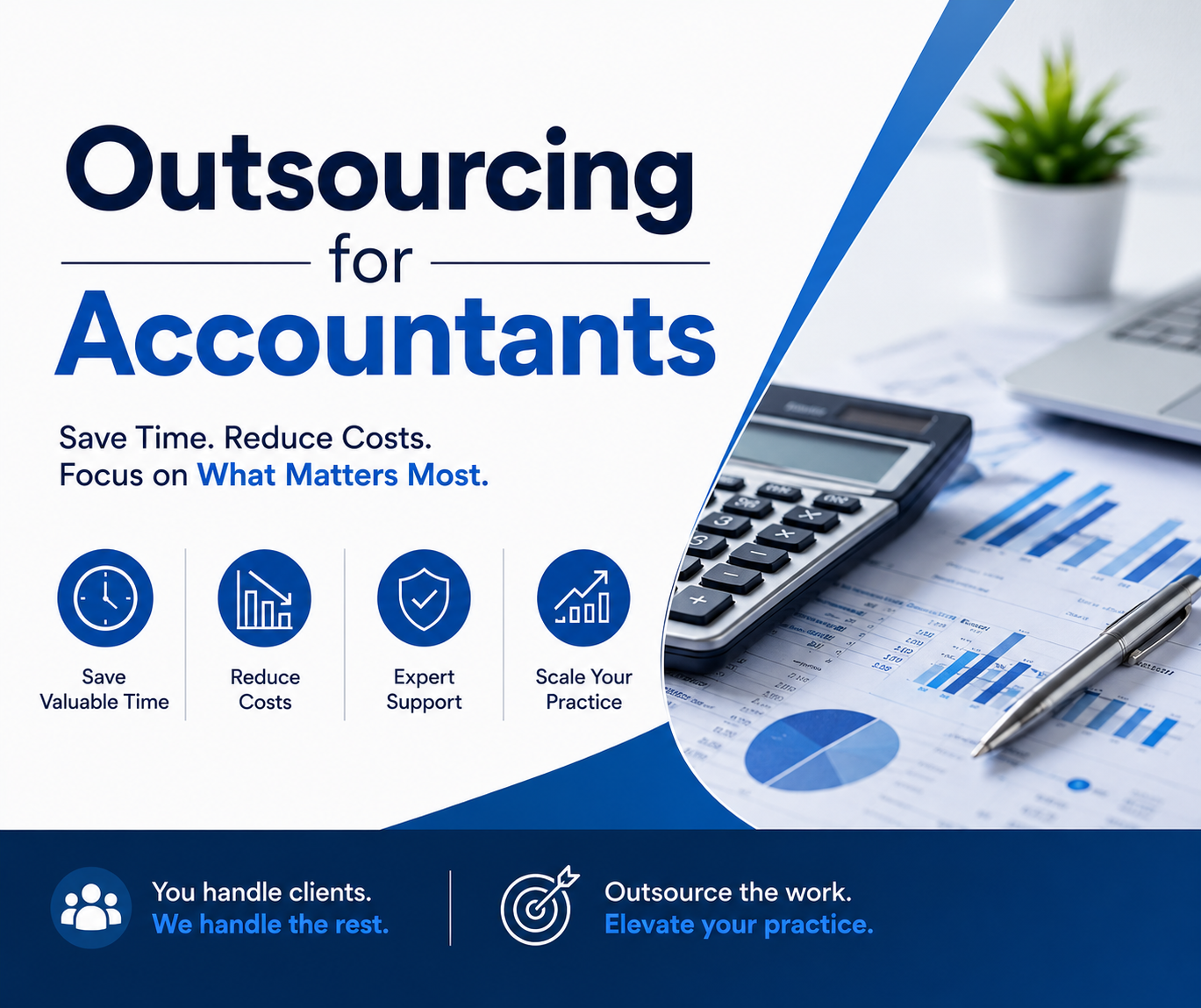
The accounting profession has evolved rapidly in recent years, with firms under increasing pressure to deliver faster results, maintain compliance, and provide greater value to clients. Outsourcing for Accountants has become a popular solution for practices looking to improve efficiency and reduce operational costs. However, many firms still question whether they should rely solely on an in-house team or embrace outsourcing as part of their business strategy.
There is no universal answer, as every accounting firm has different goals, resources, and client demands. Understanding the advantages and limitations of both approaches can help firm owners make informed decisions that support long-term success.
Understanding In-House Accounting
An in-house accounting team consists of employees who work directly for the firm. They handle daily accounting responsibilities while working closely with colleagues and clients.
Typical responsibilities include:
- Bookkeeping
- Payroll
- VAT returns
- Financial reporting
- Tax preparation
- Client communication
- Compliance support
Many firms value the direct control and collaboration that an internal team provides.
Understanding Outsourcing for Accountants
Outsourcing for accountants involves partnering with an external accounting service provider that completes specific financial tasks on behalf of the practice.
Common outsourced services include:
- Accounts preparation
- Bookkeeping
- Payroll administration
- Management accounts
- VAT returns
- Bank reconciliations
- Corporation Tax support
The outsourcing provider works alongside the firm's existing team, allowing accountants to focus on advisory services and client relationships.
Cost Comparison
One of the biggest differences between in-house staffing and outsourcing is cost.
Recruiting permanent employees involves expenses such as:
- Salaries
- National Insurance
- Pension contributions
- Holiday pay
- Office equipment
- Software licences
- Training and development
Outsourcing often provides access to experienced professionals without many of these additional overheads.
For small and medium-sized firms, this can improve profitability while maintaining high-quality service.
Flexibility During Busy Periods
Accounting firms experience seasonal peaks throughout the year.
Examples include:
- Self Assessment deadlines
- VAT submission periods
- Corporation Tax filing
- Financial year-end reporting
An in-house team may struggle to manage sudden increases in workload.
Outsourcing allows firms to scale support up or down according to demand without long-term staffing commitments.
Productivity and Efficiency
Routine administrative work can limit the amount of time accountants spend advising clients.
By outsourcing repetitive tasks, firms can focus on:
- Business advisory
- Tax planning
- Financial forecasting
- Client meetings
- Business development
This improves productivity while creating greater value for clients.
Access to Specialist Skills
Accounting regulations continue to evolve, making specialist knowledge increasingly valuable.
Outsourcing providers often employ professionals with expertise in:
- Payroll
- VAT
- Corporation Tax
- Cloud accounting
- Financial reporting
- Compliance
Access to these skills helps firms maintain accuracy while reducing internal training requirements.
Technology Integration
Modern accounting firms rely heavily on cloud technology.
Both in-house teams and outsourcing providers commonly use digital platforms for:
- Secure document sharing
- Real-time reporting
- Automated bank feeds
- Expense management
- Online collaboration
When systems integrate effectively, outsourcing can operate almost seamlessly alongside internal teams.
Data Security Considerations
Protecting confidential financial information is essential.
Whether work is completed internally or externally, firms should ensure:
- GDPR compliance
- Secure cloud storage
- Encrypted communication
- Controlled system access
- Confidentiality agreements
Choosing an outsourcing provider with strong security standards helps protect sensitive client information.
Client Relationships
Some firms believe clients only value direct contact with internal staff.
In reality, outsourcing is generally invisible to clients because the accounting firm continues to manage all communication and final reviews.
This allows accountants to spend more time building stronger client relationships while outsourced teams handle routine processing.
Potential Challenges
Both approaches have advantages and disadvantages.
In-house teams may face:
- Higher employment costs
- Recruitment difficulties
- Limited capacity during busy seasons
- Ongoing training requirements
Outsourcing may require:
- Clear communication
- Well-defined processes
- Regular quality reviews
- Careful provider selection
Most challenges can be managed through effective planning and strong working relationships.
Can Both Approaches Work Together?
Many successful UK accounting firms combine both models.
Their internal teams focus on:
- Client advice
- Business strategy
- Relationship management
- Complex tax planning
Meanwhile, outsourced professionals support:
- Bookkeeping
- Payroll
- VAT compliance
- Routine accounting tasks
This hybrid approach allows firms to maximise efficiency while maintaining excellent client service.
Which Option Is Right for Your Firm?
The best choice depends on several factors, including:
- Firm size
- Budget
- Client volume
- Growth plans
- Internal resources
- Service offerings
Smaller firms often benefit from outsourcing because it provides flexibility without increasing permanent staffing costs.
Larger firms may also outsource selected services to improve operational efficiency during busy periods.
Conclusion
Outsourcing for Accountants offers UK accounting firms an effective way to improve productivity, reduce overheads, and manage fluctuating workloads. While an in-house team provides direct control and close collaboration, outsourcing delivers flexibility, specialist expertise, and scalable support. Many firms find that combining both approaches creates the ideal balance, allowing them to deliver exceptional client service while building a stronger, more efficient, and future-ready accounting practice.
 Greek
Greek
 English
 Arabic
 French
 Spanish
 Portuguese
 Deutsch
 Turkish
 Dutch
Dutch
 Italiano
 Russian
 Romaian
 Portuguese (Brazil)
