


 Pro Benefits
 Sobre
Sobre
 Termos
 Privacidade
 Child Safety & Protection
 Notificações
 Ayrush Global It Services Pvt Ltd
Africa Diesel Generator Sector Expands with Backup Power and Infrastructure Needs
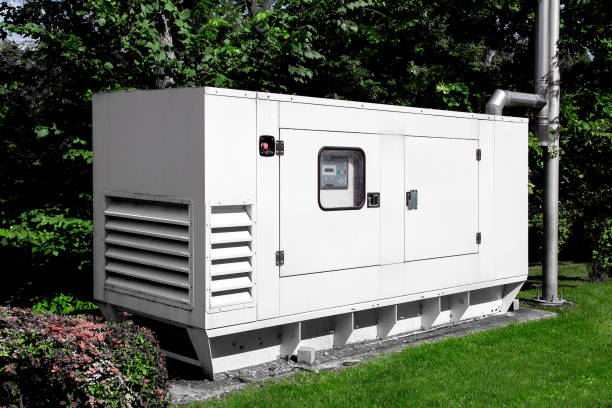
Africa’s diesel generator sector remains important because many homes, businesses, telecom towers, hospitals, mines, farms, construction sites, and industrial facilities require dependable electricity when grid supply is limited or unstable. Diesel generators provide standby, prime, and emergency power across urban and remote locations. Their role is especially significant where outages can disrupt production, healthcare services, communication networks, refrigeration, water pumping, and security systems.
As per MarkNtel Advisors, Africa’s diesel generator sector was estimated at around USD 1.68 billion in 2026 and is expected to grow at a CAGR of 8.63% during 2026–2032. This growth is supported by persistent power reliability challenges, industrial activity, construction projects, mining operations, telecom expansion, and the need for dependable backup electricity across several African economies.
Power Reliability Challenges Support Demand
Power interruptions remain a major reason for diesel generator adoption across Africa. Several countries continue to face electricity access gaps, transmission constraints, aging infrastructure, and demand-supply imbalances. For businesses, even short outages can affect production schedules, cold storage, digital services, medical equipment, and customer operations. Diesel generators therefore remain a practical solution for maintaining continuity.
The World Bank highlights energy access as a key development priority, especially for economic activity, public services, and quality of life. In African economies where reliable grid electricity is still developing, backup generation supports commercial resilience and allows essential services to continue during supply disruptions.
Industrial and Construction Activity Adds Momentum
Construction sites, cement facilities, manufacturing plants, oil and gas projects, and infrastructure development programs create steady demand for diesel generators. Many project sites require power before permanent grid connections are available. Generators support cranes, compressors, pumps, welding equipment, site lighting, worker camps, batching plants, and temporary offices.
The African Development Bank supports power and energy development across Africa, including efforts to improve access, reliability, and infrastructure. While long-term electricity development remains essential, temporary and backup power systems continue to fill practical gaps for project execution and industrial operations.
Mining Operations Require Rugged Power Systems
Mining is an important end-use area because many mineral extraction sites are located far from stable grid infrastructure. Diesel generators are used for drilling, crushing, ventilation, dewatering, lighting, conveyor systems, workshops, and worker facilities. These sites need rugged systems capable of operating in dusty, remote, and high-load environments.
Africa’s mineral resources are central to global supply chains, including gold, copper, cobalt, platinum, iron ore, manganese, and other industrial minerals. Reliable power is critical because production interruptions can affect output, safety, and equipment performance. Generator capacity selection depends on mining stage, site load, fuel logistics, altitude, temperature, and maintenance access.
Telecom Networks Depend on Backup Electricity
Telecom expansion is another major factor supporting generator use. Mobile towers, base stations, switching centers, and data-related infrastructure require continuous electricity to maintain voice, data, mobile money, emergency communication, and internet services. In areas with unstable electricity supply, telecom operators often depend on generators as backup or primary power.
The International Telecommunication Union tracks connectivity indicators and digital development worldwide. As African countries expand mobile broadband and digital services, reliable tower power becomes essential. Generators help maintain uptime, especially in rural areas where connectivity depends on distributed network sites.
Agriculture and Water Pumping Create Rural Demand
Diesel generators also support agricultural activity in regions where grid access is limited. Farmers and agribusinesses use generators for irrigation pumps, grain processing, cold storage, dairy operations, livestock facilities, and water supply systems. In rural communities, generators may also support clinics, schools, boreholes, and small enterprises.
The Food and Agriculture Organization emphasizes irrigation management as an important part of agricultural productivity and water use. In parts of Africa where irrigation depends on reliable pumping, generator availability can influence crop planning, food storage, and rural income stability.
Fuel Cost and Emissions Shape Technology Choices
Although diesel generators are valued for reliability, users face fuel price volatility, emissions concerns, maintenance needs, noise, and logistics challenges. These issues are encouraging interest in hybrid power systems that combine diesel generators with batteries, solar PV, smart controllers, and remote monitoring. Hybrid systems can reduce runtime, improve fuel efficiency, and maintain backup reliability.
The International Energy Agency highlights Africa’s energy development challenges and the need for expanded access, investment, and cleaner energy systems. Diesel generators are likely to remain relevant where reliability gaps persist, but hybridization and cleaner operation will become more important as businesses focus on operating costs and environmental performance.
Equipment Rental and Service Networks Gain Importance
Rental generators are gaining use among contractors, event organizers, mining operators, telecom companies, and emergency response teams. Renting provides flexibility for short-term projects, seasonal loads, breakdown support, and temporary site power. It also helps users avoid upfront equipment purchase costs while gaining access to maintenance support.
Service quality is crucial because diesel generators require regular inspection, oil changes, filter replacement, load testing, fuel management, and spare parts availability. In remote areas, supplier networks, trained technicians, and fuel logistics can determine whether systems operate reliably during critical periods.
Outlook
Africa’s diesel generator sector is expected to develop steadily as electricity reliability challenges, infrastructure projects, mining operations, telecom expansion, agriculture, and commercial backup needs continue to shape demand. Diesel systems will remain important where grid supply is weak or unavailable, but hybrid power models, fuel-efficient engines, remote monitoring, and cleaner operating practices are likely to gain more attention.
Future progress will depend on fuel availability, regulatory standards, service support, project activity, and the pace of grid modernization. As African economies expand electricity access and industrial capacity, diesel generators are expected to remain a practical bridge for reliable power while cleaner and more flexible energy systems continue to develop.
 Portuguese
 English
 Arabic
 French
 Spanish
 Deutsch
 Turkish
 Dutch
Dutch
 Italiano
 Russian
 Romaian
 Portuguese (Brazil)
 Greek
Greek
