Introduction
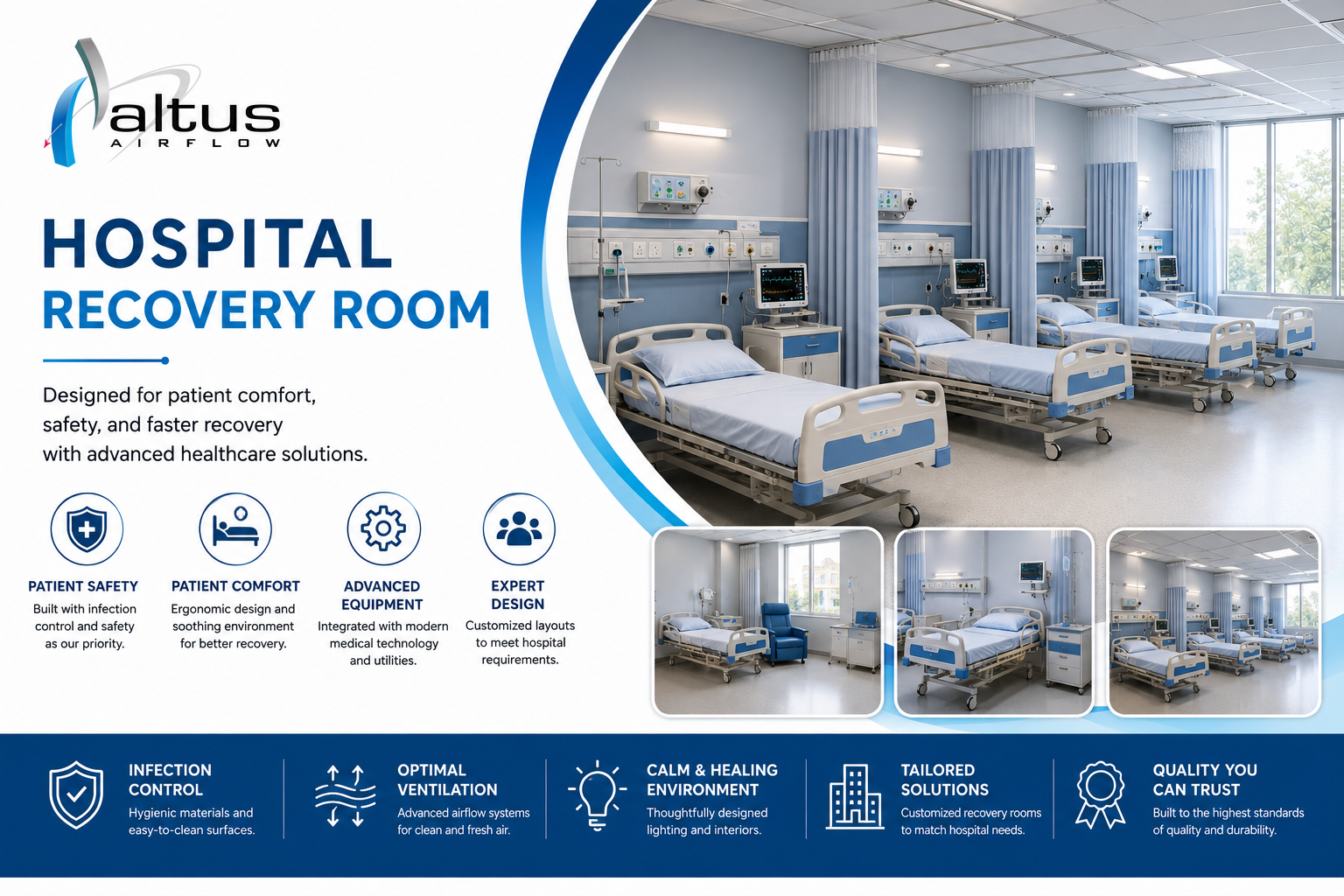
A Hospital Recovery Room is a specialized area where patients are monitored immediately after surgery or medical procedures. The recovery period is critical because patients are transitioning from anesthesia and may experience changes in vital signs, pain levels, or other post-operative complications. Recovery rooms provide a controlled environment where healthcare professionals can closely observe patients until they are stable enough to be transferred to a hospital ward or discharged home.
Patients Recovering from General Anesthesia
Patients who have received general anesthesia almost always require observation after surgery.
Anesthesia affects breathing, heart function, consciousness, and reflexes. Recovery room monitoring helps ensure that patients regain alertness safely and that any anesthesia-related complications are identified promptly.
Close supervision supports a safe recovery process.
Patients Undergoing Major Surgical Procedures
Individuals who undergo major surgeries typically require extended observation.
Procedures involving the abdomen, chest, heart, brain, or major joints often require careful monitoring of vital signs, pain levels, and overall recovery status. Medical teams assess patients for signs of bleeding, respiratory issues, or other complications.
Patients Receiving Regional or Spinal Anesthesia
Recovery room observation is also important for patients who receive regional anesthesia.
Although these patients may remain awake during surgery, healthcare providers monitor them until sensation, mobility, and normal body functions begin returning. Observation helps ensure a smooth recovery.
Outpatient and Day Surgery Patients
Patients undergoing same-day procedures are commonly monitored before discharge.
Healthcare professionals assess vital signs, pain control, mobility, and overall stability to determine whether patients are ready to leave the healthcare facility safely.
Recovery room monitoring helps prevent complications after discharge.
High-Risk Surgical Patients
Certain individuals require more intensive observation following surgery.
This may include older adults, patients with chronic medical conditions, those with cardiovascular or respiratory disorders, and individuals with a history of surgical complications. Close monitoring helps identify potential issues early.
Patients Experiencing Post-Operative Pain
Pain management is an important aspect of recovery.
Patients who experience significant discomfort after surgery are observed to ensure pain medications are effective and do not cause adverse reactions. Ongoing assessment helps improve comfort and recovery outcomes.
Patients Requiring Respiratory Monitoring
Some patients need additional observation of breathing function.
Individuals with respiratory conditions, sleep apnea, or those recovering from procedures affecting the airway may require close monitoring of oxygen levels and respiratory status during recovery.
Patients at Risk of Bleeding or Complications
Certain surgical procedures carry a higher risk of post-operative complications.
Recovery room staff monitor patients for excessive bleeding, abnormal blood pressure, changes in heart rate, nausea, vomiting, or signs of infection. Early detection supports timely medical intervention.
Pediatric Patients
Children often require observation after surgery to ensure a safe recovery from anesthesia and medical procedures.
Healthcare providers monitor vital signs, comfort levels, hydration, and responsiveness before determining when the child can be transferred or discharged.
Patients Recovering from Emergency Surgery
Emergency surgical procedures may require additional post-operative observation.
These patients are often monitored closely because their medical conditions may be more complex and unpredictable than those undergoing planned procedures.
Conclusion
Many patients require observation in a recovery room after surgery, including those recovering from general anesthesia, major operations, outpatient procedures, and high-risk medical conditions. Continuous monitoring of vital signs, pain levels, respiratory function, and overall stability helps healthcare professionals identify complications early and ensure a safe recovery process.
FAQs
1. Which patients require observation in a Hospital Recovery Room?
A Hospital Recovery Room is used for patients recovering from anesthesia, major surgeries, outpatient procedures, emergency operations, and those with higher risks of post-operative complications.
2. Why are patients monitored after general anesthesia?
Monitoring ensures safe recovery of breathing, consciousness, and vital functions while detecting anesthesia-related complications.
3. Do day-surgery patients need recovery room observation?
Yes, they are monitored until they are stable enough to be discharged safely.
4. Are children observed in recovery rooms after surgery?
Yes, pediatric patients are closely monitored to ensure safe recovery and stable vital signs.
5. What complications are healthcare providers watching for?
Common concerns include breathing difficulties, excessive bleeding, abnormal vital signs, pain management issues, nausea, and other post-operative complications.



 Pro Benefits
 Σχετικά
 Όρους
Όρους
 Ιδιωτικότητα
 Child Safety & Protection
 Ειδοποιήσεις
 Ayrush Global It Services Pvt Ltd
 Greek
Greek
 English
 Arabic
 French
 Spanish
 Portuguese
 Deutsch
 Turkish
 Dutch
Dutch
 Italiano
 Russian
 Romaian
 Portuguese (Brazil)
