


 Pro Benefits
 About
About
 Termeni
 Confidențialitate
 Child Safety & Protection
 Notificări
 Ayrush Global It Services Pvt Ltd
Key Skills Every Civil Surveyor Should Develop
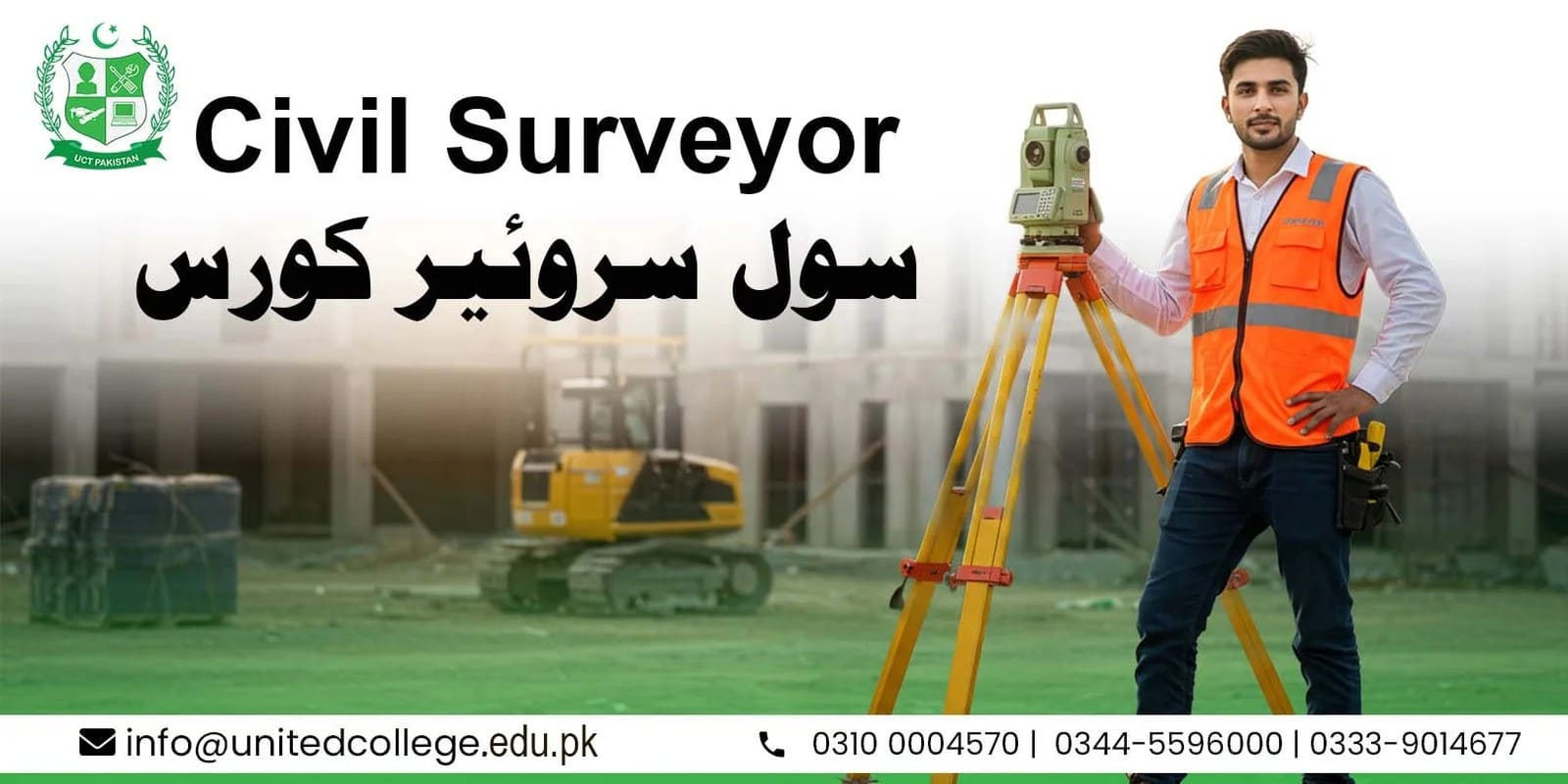
Building a Successful Career in Civil Surveying
Civil surveying is a critical profession within the construction and engineering industries. Surveyors provide the accurate measurements and data needed for planning, designing, and constructing infrastructure projects. As technology continues to evolve and construction projects become more complex, surveyors must develop a combination of technical knowledge, practical abilities, and professional skills.
Possessing the right skills not only improves job performance but also enhances career opportunities. Understanding the key skills every civil surveyor should develop can help aspiring professionals prepare for success in this growing field.
Technical Knowledge of Surveying Principles
A strong understanding of surveying principles is the foundation of a successful surveying career. Civil surveyors must know how to measure distances, angles, elevations, and coordinates accurately.
They should also understand different surveying methods, mapping techniques, and construction layout procedures. This knowledge allows surveyors to collect reliable data and support accurate project planning.
Continuous learning helps professionals stay updated with industry standards and modern surveying practices.
Proficiency in Surveying Equipment
Modern civil surveyors work with a variety of specialized instruments. Developing proficiency in operating surveying equipment is essential for producing accurate results.
Common tools include:
-
Total stations
-
GPS receivers
-
Laser levels
-
Drones
-
Digital mapping software
Surveyors who can effectively use these technologies are better equipped to handle complex projects and improve overall productivity.
Attention to Detail
Accuracy is one of the most important aspects of surveying. Even small measurement errors can lead to significant construction problems and financial losses.
Civil surveyors must pay close attention to every detail while collecting data, recording measurements, and preparing reports. Careful observation helps ensure that information is accurate and reliable.
Strong attention to detail also supports quality control throughout the construction process.
Mathematical and Analytical Skills
Surveying involves calculations, data analysis, and problem-solving. Surveyors regularly work with geometry, trigonometry, coordinates, and measurement conversions.
Good mathematical skills help surveyors interpret data accurately and identify potential issues before they affect a project. Analytical thinking allows professionals to evaluate site conditions and recommend practical solutions.
These abilities contribute to better decision-making and project outcomes.
Communication Skills
Civil surveyors often work with engineers, architects, contractors, project managers, and clients. Effective communication is essential for sharing survey results and discussing project requirements.
Surveyors must be able to explain technical information clearly and prepare accurate documentation. Strong communication skills help improve teamwork and reduce misunderstandings on construction sites.
Clear reporting also ensures that all stakeholders have access to reliable project information.
Problem-Solving Ability
Construction projects frequently present unexpected challenges such as difficult terrain, changing site conditions, or measurement discrepancies.
Successful surveyors develop strong problem-solving skills to overcome these obstacles efficiently. They must assess situations, identify potential risks, and recommend appropriate solutions.
The ability to think critically and adapt to changing conditions is valuable in every surveying project.
Knowledge of Construction Processes
Civil surveyors benefit greatly from understanding how construction projects are planned and executed. Familiarity with construction methods, engineering drawings, and project workflows helps surveyors perform their duties more effectively.
Knowledge of construction activities allows surveyors to coordinate better with project teams and ensure that measurements align with design requirements.
This understanding also helps improve project efficiency and accuracy.
Time Management and Organization
Surveyors often work on multiple tasks and projects simultaneously. Effective time management ensures that surveys are completed on schedule and project deadlines are met.
Organizational skills help surveyors maintain accurate records, manage field data, and prepare detailed reports. Staying organized improves productivity and reduces the risk of errors.
Proper planning and scheduling contribute to successful project completion.
Adaptability to New Technology
Technology continues to transform the surveying industry. Modern tools such as drones, Geographic Information Systems (GIS), 3D modeling software, and advanced GPS systems have become standard in many projects.
Civil surveyors should remain open to learning new technologies and adapting to industry advancements. Professionals who embrace innovation are better positioned to meet future industry demands.
Continuous skill development helps surveyors remain competitive in a rapidly changing field.
Commitment to Safety
Surveyors frequently work in active construction zones, remote locations, and challenging environments. Understanding safety procedures and following industry regulations are essential skills.
A commitment to safety helps protect both surveyors and other workers on-site. Safe working practices contribute to efficient operations and reduce workplace accidents.
Professional surveyors recognize that safety is an important part of delivering successful projects.
Preparing for a Future in Civil Surveying
The demand for skilled civil surveyors continues to grow as infrastructure and construction projects expand worldwide. Developing technical expertise, communication abilities, problem-solving skills, and proficiency with modern equipment can create excellent career opportunities.
The Civil Surveyor training program that gives students practical training and industry-focused education. Such programs help aspiring surveyors gain the knowledge and experience needed to succeed in the profession.
By continuously improving their skills, civil surveyors can contribute to accurate project planning, safe construction practices, and successful infrastructure development.
 Romaian
 English
 Arabic
 French
 Spanish
 Portuguese
 Deutsch
 Turkish
 Dutch
Dutch
 Italiano
 Russian
 Portuguese (Brazil)
 Greek
Greek
