


 Pro Benefits
 About
About
 Termini e Condizioni
 Privacy
 Child Safety & Protection
 Notifiche
 Ayrush Global It Services Pvt Ltd
The Complete Beginner's Guide to Self Watering Systems for Houseplants
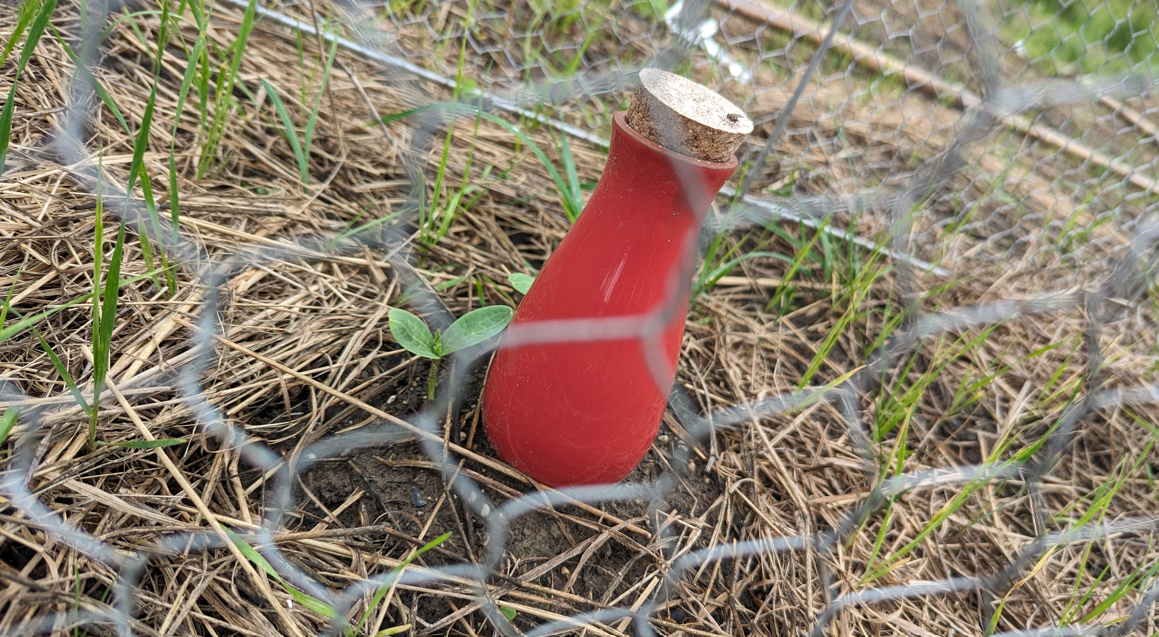
Houseplants have become an important part of modern homes. From small apartments to large houses, indoor plants add beauty, improve air quality, and create a calming environment. However, while many people enjoy owning plants, maintaining them properly can sometimes be challenging.
One of the biggest struggles for both beginner and experienced plant owners is watering. Too much water can damage roots, while too little can leave plants stressed and unhealthy. Finding the right balance often requires time, attention, and experience.
Fortunately, self watering systems are making plant care easier than ever before. These simple yet effective tools help provide consistent moisture while reducing the daily effort required to maintain healthy plants.
In this guide, we'll explore how self watering systems work, their benefits, and why they are becoming increasingly popular among houseplant enthusiasts.
What Is a Self Watering System?
A self watering system is a device or setup that supplies water to plants gradually over time. Instead of relying entirely on manual watering, these systems help maintain consistent moisture levels within the soil.
The goal is to provide plants with access to water when they need it while reducing the risk of common watering mistakes.
Self watering systems come in various forms, including:
- Self watering globes
- Terracotta watering spikes
- Self watering planters
- Reservoir-based containers
- Drip irrigation systems
Each option is designed to make watering more efficient and reliable.
Why Proper Watering Matters
Water is essential for plant growth and survival.
Plants use water for:
- Nutrient transport
- Photosynthesis
- Root development
- Leaf growth
- Temperature regulation
Without adequate moisture, plants become stressed and may stop growing.
At the same time, excessive watering can be equally harmful.
Maintaining proper soil moisture is one of the most important aspects of successful plant care.
Common Watering Mistakes Beginners Make
Overwatering
Many new plant owners believe watering frequently is the key to healthy plants.
In reality, constantly wet soil can suffocate roots and increase the risk of root rot.
Common signs include:
- Yellow leaves
- Soft stems
- Moldy soil
- Foul odors
Underwatering
Forgetting to water plants can also create problems.
Symptoms often include:
- Dry soil
- Wilting leaves
- Brown edges
- Slow growth
Inconsistent Watering
Alternating between very dry and very wet soil creates unnecessary stress for plants.
Many houseplants perform best when moisture levels remain relatively stable.
How Self Watering Systems Work
Most self watering systems rely on a simple principle: providing water gradually rather than all at once.
As the soil begins to dry, moisture moves from the water source into the root zone.
This helps create a more balanced environment for plant growth.
Because water is released slowly, plants can absorb what they need over time.
Benefits of Self Watering Systems
Consistent Moisture
Plants receive a more stable supply of water compared to traditional watering methods.
Reduced Maintenance
You don't need to monitor soil moisture every day.
Better Root Health
Consistent hydration supports stronger root development.
Less Water Waste
Water is delivered directly where plants need it most.
Ideal for Vacations
Self watering systems can help keep plants hydrated while you're away from home.
Popular Self Watering Options
Self Watering Globes
Self watering globes are among the most popular choices for indoor plants.
After filling the globe with water, it is inserted into the soil where it slowly releases moisture as needed.
Benefits include:
- Easy setup
- Decorative appearance
- Reusable design
- Suitable for many houseplants
Terracotta Watering Spikes
Terracotta spikes use porous clay to regulate water flow naturally.
Water gradually passes through the clay and enters the surrounding soil.
Advantages include:
- Natural moisture control
- Eco-friendly materials
- Long-lasting performance
- Consistent hydration
Self Watering Planters
These planters contain built-in water reservoirs that provide plants with access to moisture for extended periods.
They are often used for larger plants or decorative indoor displays.
Best Plants for Self Watering Systems
Many common houseplants benefit from self watering solutions.
Popular examples include:
Pothos
A low-maintenance plant that appreciates consistent moisture.
Monstera
Thrives when soil remains evenly moist but not overly wet.
Peace Lily
Known for drooping when thirsty, making moisture consistency especially important.
Philodendron
Performs well with gradual watering.
Spider Plant
Responds positively to balanced hydration.
Choosing the Right System
When selecting a self watering product, consider:
Plant Size
Larger plants may require bigger reservoirs or more advanced systems.
Pot Size
Choose a watering solution that matches your container.
Travel Habits
Frequent travelers may benefit from larger-capacity systems.
Maintenance Preferences
Some gardeners prefer simple watering globes, while others like reservoir planters.
Why Self Watering Systems Are Growing in Popularity
Modern lifestyles are busier than ever.
People want healthy plants but may not always have time for daily maintenance.
Self watering systems help bridge this gap by providing reliable hydration with less effort.
Companies such as SmartiLiving have helped popularize these solutions by offering products designed to simplify plant care while supporting healthier growth.
Final Thoughts
Learning how to water plants correctly can take time, especially for beginners. Fortunately, self watering systems make the process much easier.
By providing gradual hydration, reducing watering mistakes, and supporting healthier root development, these systems help create a more successful gardening experience.
Whether you're caring for a single houseplant or building an indoor jungle, a self watering system can be a valuable tool that keeps your plants healthy, vibrant, and thriving throughout the year.
 Italiano
 English
 Arabic
 French
 Spanish
 Portuguese
 Deutsch
 Turkish
 Dutch
Dutch
 Russian
 Romaian
 Portuguese (Brazil)
 Greek
Greek
